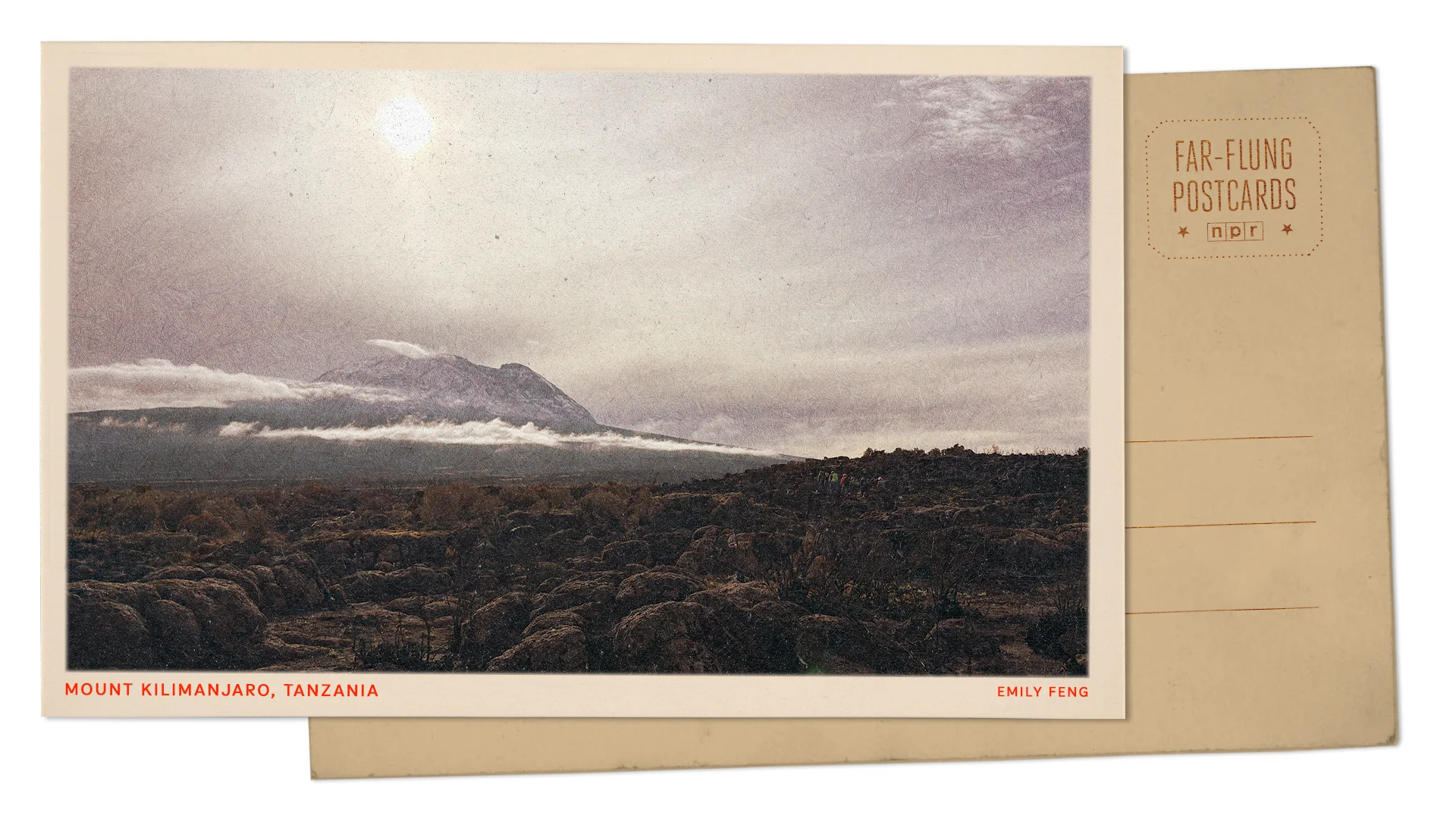
Stand at the base of Mount Kilimanjaro and look up. You won't see a jagged Himalayan ridge or a crowded alpine range shoulder-to-shoulder with neighbors. Instead, you see a giant freestanding volcano rising straight out of the Tanzanian plains to 5,895 meters (19,341 feet), crowned with ice near the equator. It looks almost unreal, kinda like a postcard someone photoshopped onto the savanna.
Honestly, most people treat Mount Kilimanjaro like a simple "bucket list" walk because there's no technical rock climbing required. You don't need ropes or ice axes to reach Uhuru Peak. That convenience fools smart, fit hikers every single year. Thin air doesn't care how fast you run a 10K at sea level, and rushing up a high mountain is the fastest way to get turned around with a pounding headache and zero summit views.
Why Mount Kilimanjaro Feels Like Five Different Planets
Walking up Mount Kilimanjaro isn't one continuous hike. It's a vertical road trip through five distinct climate zones, each with its own weather, soil, and plant life. According to UNESCO World Heritage Centre documentation for Kilimanjaro National Park, the massif includes three main volcanic cones—Kibo, Mawenzi, and Shira—and rises in dramatic isolation above surrounding plains.
At the lower slopes and cultivation zone, Chagga farmers work fertile volcanic soil growing bananas, coffee, and maize. Step higher into the montane rainforest and the air turns thick, damp, and green, filled with moss-draped trees, colobus monkeys, and mist that soaks your boots when you least expect it. Climb past the tree line into the heath and moorland, and suddenly you're walking among bizarre giant groundsels and tall lobelias that look like props from a sci-fi movie.
Above roughly 4,000 meters, the alpine desert takes over. It's dry, rocky, stark, and quiet, with baking sun in the afternoon and temperatures plunging well below freezing after dark. Push all the way to the arctic summit zone near 5,895 meters and you're standing in thin, freezing air beside ancient glaciers that have been shrinking for more than a century.
The Shrinking Glaciers Tell a Bigger Story
Those summit glaciers are one of the biggest reasons Mount Kilimanjaro grabs headlines, and the science behind their retreat is both fascinating and sobering. In a UNESCO Courier interview, glaciologist Douglas Hardy noted that since Kilimanjaro's glaciers were first mapped in 1912, roughly 91 percent of their area has disappeared. Even German geographer Hans Meyer, who made the first recorded ascent to the summit in 1889, saw noticeable ice loss by 1898 and warned they could vanish within decades.
Here's the nuance that often gets flattened in quick travel pieces. Temperature isn't the whole story. Researchers studying the mountain have shown that reduced regional precipitation—along with shifts in cloud cover and moisture—plays a huge role because the glaciers lack a strong snow accumulation zone to replenish what melts or sublimates away.
That matters locally, too. Water runoff and mountain forest health connect directly to the communities living on Kilimanjaro's flanks. When rainfall patterns shift or forests face pressure from clearing and fire, downstream farms and water sources feel the strain.
Summit Odds Aren't About Toughness Alone
If you're planning a climb, don't fall for glossy operator brochures promising near-100 percent success on a rushed five- or six-day schedule. Real summit rates depend heavily on time spent acclimatizing above 3,000 meters, your pacing, and whether your body adapts to lower oxygen pressure without developing acute mountain sickness.
I've seen plenty of strong athletes struggle because they hiked too fast on day one, ignored early symptoms, or picked a short itinerary just to save money and vacation days. Slowing down—literally taking small, steady steps—works way better than charging up the trail like you're trying to beat a clock. And if severe symptoms like confusion, loss of coordination, or worsening breathlessness show up, going down immediately isn't "quitting." It's the only real fix.
Routes like the Lemosho Route or the Northern Circuit usually give climbers more days to adjust than shorter options, which makes a real difference when summit night arrives in the freezing dark. Smaller guide-to-climber ratios and ethical porter treatment—such as adhering to load limits and proper gear—also separate responsible operators from cut-rate outfits.
Practical Next Steps Before You Book
If Mount Kilimanjaro is sitting on your radar, start with honest planning rather than hype.
- Pick your season based on rain and crowds: Dry windows generally offer clearer views and less mud than peak rainy months, though weather on a high equatorial volcano can surprise you any time of year.
- Prioritize acclimatization days over a cheap itinerary: Look for routes that build in gradual elevation gain and give your body extra time to adapt.
- Check crew standards and safety gear: Ask operators directly about guide ratios, emergency oxygen, pulse oximeter checks, and fair porter conditions before paying a deposit.
- Train for time on your feet: Build leg endurance with hilly hikes and steady aerobic sessions, and practice walking at an unhurried pace so you don't burn out early.
Whether you visit just to gaze at the massif from below or stand on Uhuru Peak at dawn, Mount Kilimanjaro rewards patience, respect for altitude, and a willingness to slow down.