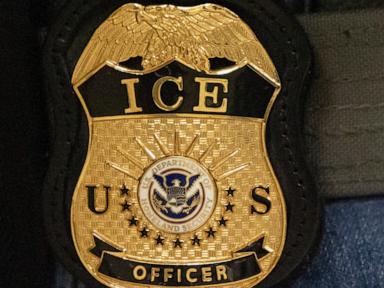
You probably think posting an angry rant about Immigration and Customs Enforcement on X or Bluesky is protected free speech. It is. Yet federal prosecutors in Washington have spent months secretly demanding your real name, IP address, and account records from major tech platforms just for criticizing immigration raids online.
That is why the American Civil Liberties Union (ACLU), along with its Washington, D.C., and Northern California affiliates, just dragged a covert federal operation into public view. In a newly unsealed class-action lawsuit filed in the U.S. District Court for the District of Columbia, four anonymous social media users are asking Chief Judge James Boasberg to halt a sweeping federal probe called Investigation 18.
Most news coverage treats this as just another courtroom clash over immigration policy. They're missing the bigger story. When the Department of Homeland Security (DHS) got caught abusing one legal loophole to unmask online critics, federal prosecutors quietly pivoted to an even more secretive weapon—the federal grand jury.
Why the Government Switched From Administrative Subpoenas to Grand Juries
To understand why this lawsuit matters, you have to look at what happened over the past year.
DHS and ICE initially relied on administrative subpoenas—specifically under 8 U.S.C. § 1225 and 19 U.S.C. § 1509—to demand identifying details from tech companies. Federal agents can issue administrative subpoenas on their own signature without a judge ever reviewing the request. Over the last twelve months, DHS fired off hundreds of these demands to tech platforms targeting people who posted about ICE operations or criticized the agency.
It backfired.
Users fought back in court, and the ACLU filed repeated motions to quash those demands. In high-profile cases—including subpoenas targeting Instagram users who posted about local ICE raids and a Pennsylvania resident who criticized the agency—DHS folded and withdrew its subpoenas rather than defend them before a federal judge.
So prosecutors changed tactics.
Instead of DHS agents signing administrative demands, U.S. Attorney Jeanine Pirro's office in Washington began issuing grand jury subpoenas to Bluesky, Meta, and X. Here's what almost nobody realizes about how grand juries actually work in practice. Despite the name, everyday citizens sitting on a grand jury rarely ask for these subpoenas. Assistant U.S. Attorneys print and issue them directly, with zero prior approval from a judge.
Even worse, grand jury subpoenas come wrapped in strict secrecy rules. Tech companies are frequently slapped with gag orders barring them from telling you the government is hunting for your identity, making these demands far harder to challenge before your data is handed over.
Inside Investigation 18 and the ACLU Lawsuit Against ICE Critics Unmasking
The lawsuit—captioned Bluesky Poster 1 v. Pirro—names U.S. Attorney Jeanine Pirro, Attorney General Todd Blanche, and DHS Secretary Markwayne Mullin as defendants.
According to the unsealed filings, civil rights attorneys have already documented at least 35 grand jury subpoenas tied to Investigation 18, and they warn the real total is almost certainly much higher. The ACLU filed the suit under seal on November 16, 2026. Chief Judge James Boasberg ordered the docket unsealed on November 25, opening the first systemic civil challenge to the administration's grand jury unmasking campaign to public scrutiny.
What kind of posts triggered a federal grand jury investigation? Not credible bomb plots or detailed blueprints for violence. Look at the plaintiffs named in the complaint:
- Bluesky Poster 1: A user who reacted to news of an ICE-related shooting in New York by posting hyperbolic political frustration: "Burn ICE to the ground. Burn DHS to the ground. Salt the earth."
- A college student on X: A user whose posts included an ordinary expletive aimed at DHS, ICE, and President Donald Trump.
Anyone who has spent five minutes reading Supreme Court precedent knows that venting anger at government agencies—even using harsh, metaphorical language like "burn it to the ground"—is classic political hyperbole protected by the First Amendment. Under Brandenburg v. Ohio, speech crosses the line into unprotected incitement only if it is directed to inciting imminent lawless action and is likely to produce it. Angry social media commentary doesn't come close.
Laura Moraff, a staff attorney with the ACLU's Speech, Privacy, and Technology Project, put it plainly in the organization's November 27 announcement. She noted that the government is weaponizing the grand jury process to retaliate against people for expressing political views online, adding that no one should fear a federal investigation simply for disagreeing with the president.
The Bigger Picture Building a Database of Dissenters
If this were just about four social media accounts, it would still be troubling. What makes Investigation 18 alarming is how it fits into a wider enforcement pattern.
In their court filings, ACLU attorneys argue that the administration's aggressive push to unmask online critics is unfolding alongside repeated signals that officials are assembling a database of dissenters. Look at the parallel tracks happening right now:
- Online unmasking: Hundreds of administrative subpoenas followed by dozens of secret grand jury subpoenas sent to Bluesky, Meta, and X to strip away online anonymity.
- Platform pressure: Earlier in November 2026, a federal judge had to issue a separate order prohibiting government officials from pressuring Apple or Meta to censor moderators of an anti-ICE mobile group.
- Street-level retaliation: Across the country, citizens filming ICE raids in public spaces or protesting outside detention centers have reported surveillance, damaged property, and arrests.
Put those pieces together. When federal agents photograph protesters on the street and prosecutors subpoena tech platforms to match anonymous handles to real names and home addresses, anonymity stops functioning as a shield for ordinary citizens.
And anonymity isn't some fringe internet luxury. From the Federalist Papers published under the name "Publius" to modern whistleblowers and local activists, anonymous speech has always been how regular people criticize powerful institutions without risking their jobs, safety, or freedom. Once the government proves it can quietly compel X or Bluesky to hand over your subscriber records because a prosecutor disliked your post, millions of people will simply self-censor. That chilling effect is the whole point.
What the Government Will Likely Argue
To be fair, federal prosecutors aren't going to walk into Judge Boasberg's courtroom in January and admit they are running a political fishing expedition.
Neither DHS nor Pirro's office immediately commented when the filings became public. When the Justice Department files its written response by the December 14, 2026 deadline, expect government lawyers to lean heavily on three standard defenses:
- Grand jury secrecy and separation of powers: Prosecutors routinely argue that federal courts lack authority to micromanage ongoing grand jury investigations before an indictment is ever issued.
- Public safety and agent protection: The government will almost certainly claim it was investigating potential threats, doxxing, or obstruction targeting federal immigration officers—especially around phrases like "burn ICE to the ground".
- Standing and mootness: Just like DHS did with administrative subpoenas earlier in 2026, prosecutors may quietly withdraw the specific subpoenas targeting these four plaintiffs to try to get the lawsuit dismissed before a judge rules on the broader practice.
That third tactic is exactly why the ACLU structured this case as a class action. By suing on behalf of everyone whose data has been or will be targeted under Investigation 18, civil rights attorneys are trying to stop the government from dodging judicial review one withdrawn subpoena at a time.
Key Dates to Watch Next
Judge Boasberg has already set a tight schedule for the next phase of the fight:
- December 14, 2026: Deadline for the Trump administration to file its formal written response to the ACLU's allegations.
- January 6, 2027: Oral arguments in Washington, D.C., on the plaintiffs' motion for a preliminary injunction to freeze Investigation 18 and block tech companies from turning over user records.
How to Protect Your Digital Anonymity Right Now
You don't have to wait until January's court hearing to tighten your digital security. If you discuss immigration enforcement, protests, or sensitive political topics online, take these concrete steps today:
- Separate your real identity from political accounts: Never register an anonymous social media profile using your primary email address, personal phone number, or an Apple/Google login tied to your legal name. Use a dedicated, privacy-focused email account created solely for that profile.
- Stop logging in from your home IP address without protection: Subpoenas to platforms like X, Meta, and Bluesky typically seek registration details alongside recent IP connection logs. Routing your traffic through a reputable, independently audited no-logs VPN prevents a platform from handing over your home internet address.
- Check your platform's user-notice policy: Review how your preferred social network handles law enforcement requests. Bluesky, X, and Meta generally notify users when their data is subpoenaed unless legally prohibited by a court-ordered gag rule—make sure the email attached to your account is one you actually check so you don't miss a deadline to file a motion to quash.
- Contact digital rights counsel immediately if notified: If you ever receive an email from a tech company stating your records have been subpoenaed, do not ignore it or delete your account in a panic. Reach out directly to the ACLU, your state ACLU affiliate, or the Electronic Frontier Foundation (EFF) before the platform's response deadline expires.