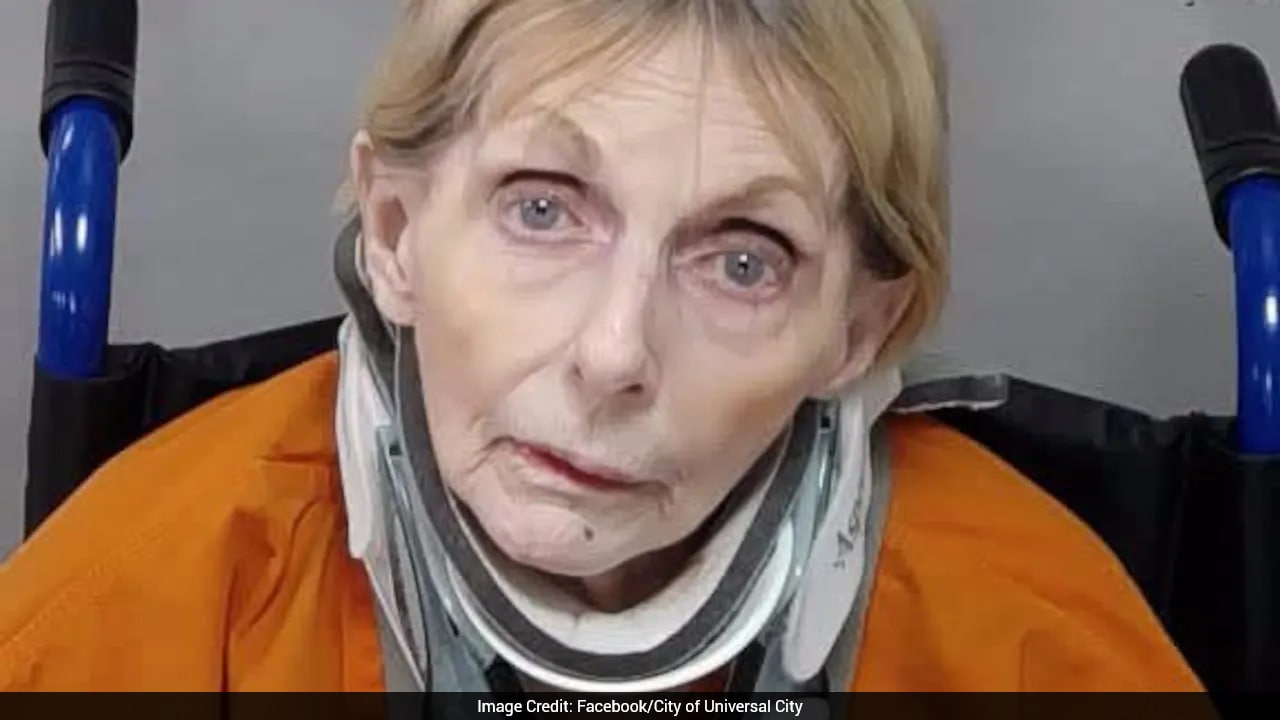
Five-year-old Ronald Hall died on November 25, 1969, in Universal City, Texas. Fifty-seven years later, a Bexar County grand jury indicted his 92-year-old mother, Harriet Evelyn Hall, on a murder charge.
Police announced the arrest in late November 2026 after Texas Rangers took Harriet Hall into custody in Waco, roughly 180 miles north of San Antonio. Bond was set at $500,000. Most news summaries treat this like a bizarre trivia hook because of the defendant's age. That misses the real story.
This case isn't a weird outlier. It's a stark reminder of how domestic abuse inside private homes hid in plain sight in the late 1960s, how sibling testimony can crack decades-old silence, and why murder charges don't expire just because the suspect is in her nineties.
What Investigators Say Happened in 1969
According to Universal City police and court records reported in November 2026, Ronald Hall didn't die from a single sudden accident. Investigators allege the boy endured four years of abuse while the family lived in Universal City's Aviation District, northeast of San Antonio, where his father, the late James Fletcher Hall, was stationed at Randolph Air Force Base.
Court filings and police statements describe severe alleged mistreatment. The indictment alleges Harriet Hall struck the child with her hand and a stick, tied his hands and feet, and withheld food and nutrition before he fell into a coma and died in November 1969.
Police say Harriet Hall offered shifting explanations over time. Investigators reported she initially claimed Ronald was injured in a fall, and in another account said she couldn't remember what happened. Universal City Police Detective Kabir Bhakta noted that Texas Rangers interviewed her in Waco after she relocated there.
How a Dormant File Came Back to Life in 2024
Cold cases rarely jump back onto a detective's desk without a push. Here, that push came from family.
Ronald's brother, James Randall Hall, is listed as a complainant in the case and gave information to authorities multiple times over the years, including detailed statements in 2024 after witnessing alleged abuse firsthand. Detective Bhakta explained that the investigation was reopened in 2024 following fresh information, eventually leading to a Bexar County grand jury indictment and late-November 2026 arrest.
Honestly, that timeline makes total sense. Surviving siblings often carry memories of childhood violence for decades before finding a moment, a safe distance, or a detective willing to listen. When a five-year-old dies in 1969 and a parent blames a fall, local systems back then had far fewer mandatory reporting rules, child advocacy centers, or standardized pediatric abuse protocols than exist today.
Why There Is No Clock on Murder in Texas
A lot of people assume that after half a century, a prosecutor simply runs out of time. Not with murder.
Under Texas law, murder has no statute of limitations. Prosecutors can bring a murder indictment years or decades after a death occurs, even if the accused is elderly. While lesser offenses like injury to a child, child endangerment, or assault carry specific time limits tied to offense dates or a minor's eighteenth birthday, homicide stays open.
That legal reality creates a heavy practical question for courts and families. Proving a case from 1969 in 2026 is brutal. Physical evidence degrades, medical records from small clinics or military hospitals can be incomplete or lost, witnesses pass away, and memories stretch or blur across fifty-seven years. A grand jury indictment means prosecutors found probable cause to charge. It does not equal a conviction, and defense attorneys will test every memory and record from the Nixon era.
At the same time, charging a 92-year-old sparks real debate over fairness and purpose. Some folks argue that dragging a nonagenarian through a murder prosecution decades later achieves little when memories are faded and her remaining years are limited. Others—including detectives who work these files—argue that age shouldn't act as a shield when a child allegedly died after years of abuse and no one was held accountable at the time. Both views exist in real criminal justice debates, and juries weigh the evidence, not headlines.
What Cold Child-Death Cases Teach Us Today
Even if you never follow true crime, cases like Ronald Hall's expose gaps that still matter.
First, childhood abuse thrives in isolation. Back in the late 1960s, family discipline behind closed doors rarely got scrutinized unless a hospital pushed hard or neighbors spoke up. Today, pediatricians, teachers, and neighbors are far more attuned to inconsistent injury stories—like a toddler or young child with severe trauma supposedly caused by a minor household fall.
Second, delayed reporting is normal, not suspicious. When an adult sibling comes forward years or decades later, people sometimes ask why they didn't speak sooner. Anyone who understands family trauma knows the answer: fear, loyalty, denial, lack of proof, or simply trying to survive your own upbringing first.
Third, every case is a presumption-of-innocence case until verdict. It's easy to react strongly to allegations involving a five-year-old child and a $500,000 bond. Still, the legal system requires proof beyond a reasonable doubt, even when the alleged events happened fifty-seven years ago.
Practical Next Steps If You Are Tracking or Affected by Cases Like This
If you're reading about this story because you're following Texas cold cases, researching historical records, or dealing with family abuse concerns, a few concrete steps help:
- Verify official court and agency updates: Check releases from the Universal City Police Department, the Bexar County District Attorney's Office, or reputable outlets like CBS Texas and FOX 7 Austin rather than relying on recycled social media posts.
- Know the Texas limitation rules: Review Texas Law Help on statutes of limitation if you are researching how different offenses are treated under state law, keeping in mind that an indictment is only the start of criminal proceedings.
- Get help early if abuse is happening now: If you suspect a child is being abused or neglected in Texas, contact the Texas Abuse Hotline at 1-800-252-5400 or report online at TxAbuseHotline.org. Don't wait decades to speak up when help can intervene today.