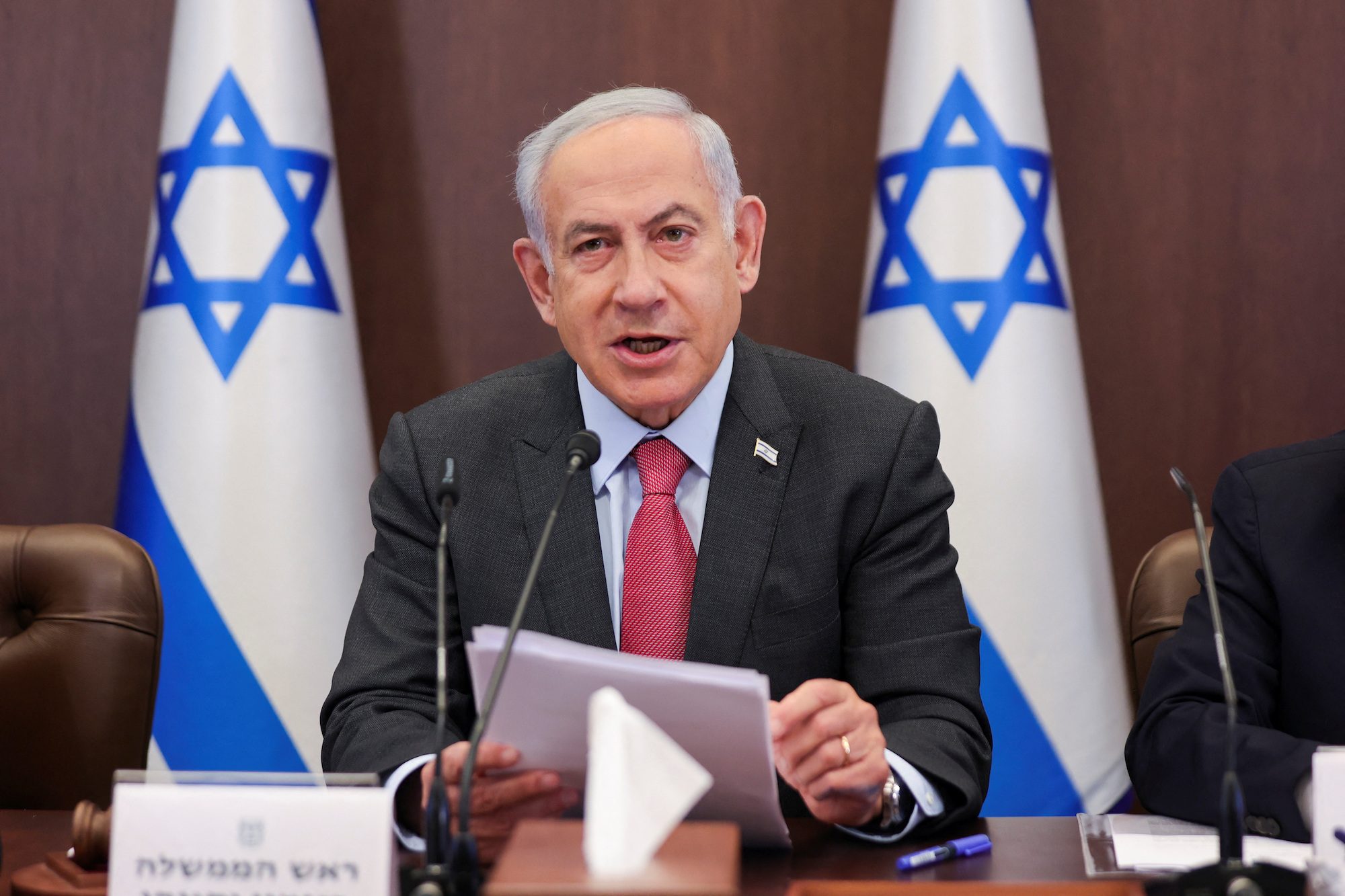
Italy just drew a sharp line inside its classrooms. After passing the Senate on November 20, 2026, the Chamber of Deputies gave final parliamentary approval on November 26, 2026, to a sweeping education reform backed by Prime Minister Giorgia Meloni and Education Minister Giuseppe Valditara. The vote ended with 142 in favor, 112 against, and four abstentions, awaiting formal promulgation by President Sergio Mattarella.
If you only read quick headlines, you might think schools are suddenly expelling kids in headscarves or locking out immigrant children tomorrow morning. Not quite. Don't miss our recent post on this related article.
The new law bans face coverings—targeting burqas and niqabs—across school grounds, backs the rule with fines between €200 and €1,000, and sets a 30% cap on certain foreign students starting in the 2027–2028 school year. It also ties parental language courses to school integration.
Here's the catch. Much of the debate misses what's actually new, what was already on paper, and how messy implementation can get on the ground. To read more about the history of this, USA Today provides an informative breakdown.
Why Italy Passed This School Reform Now
Politics rarely happens in a vacuum, especially in Rome. Meloni's government introduced this measure via decree in September 2026 ahead of a general election expected in 2027. Right-wing competition has heated up—including figures like retired general Roberto Vannacci pushing harder migration stances—and integration has become a central battleground.
During the Chamber vote, opposition lawmakers held up a banner reading "At school nobody is a foreigner." Democratic Party leader Elly Schlein argued that schools need smaller classes, safer buildings, and psychological support rather than rules that push foreign children to the margins.
From the government's side, the pitch is plainspoken. Meloni has argued that young women shouldn't be told to hide their faces in the name of tradition and that classrooms shouldn't turn into isolated enclaves. Valditara has framed the package around Italian language mastery, shared rules, and broader school provisions like cuts to digital textbook costs and support for students with disabilities.
How the 30% Foreign Student Cap Actually Works
Let's clear up the biggest point of confusion first. This isn't a blanket ban on foreign kids walking through the school gates, nor does it break up classes already formed for the current school year.
Starting with the 2027–2028 school year, the 30% cap applies to first-year classes—at primary, middle, and secondary levels—for non-Italian citizens born abroad who don't meet specific schooling or language criteria. For primary entry, pupils generally need at least two years of prior schooling in Italy, such as nursery or kindergarten. At middle and secondary levels, the benchmark rises to at least three years completed in the Italian system.
Valditara has emphasized that the rule targets language proficiency and balanced classrooms rather than nationality or ethnicity alone. Still, the policy has drawn scrutiny from Brussels. European Commission Executive Vice-President Roxana Mînzatu reminded lawmakers on November 3 that EU treaties bar nationality-based discrimination and signaled close monitoring, while Valditara insisted the government would move forward without hesitation.
You also have to look at history to judge how radical this is. Italy already had a non-binding 30% guideline on foreign students per class dating back to a 2010 ministerial circular under former education minister Mariastella Gelmini. In practice, that circular had plenty of exemptions and was applied unevenly. Turning a loose guideline into a binding rule sounds dramatic on paper, yet Valditara estimated it affects roughly 1,000 classrooms nationwide—about 0.3% of the total.
Burqas, Niqabs, Hijabs, and School Fines
The garment rule is straightforward in wording, though sensitive in practice. It bars entering school premises with a covered face—affecting burqas and niqabs, and even non-medical face coverings that block recognition—while exempting health or safety reasons.
A burqa covers the entire body and face, including a mesh screen over the eyes. A niqab covers the face while leaving the eyes visible. A hijab, which covers hair and neck while leaving the face open, is not banned under the law.
Violations carry fines between €200 and €1,000. When a minor student is involved, the financial penalty falls on the parents or legal guardians.
Historically, Italy has had a 1975 public order law restricting face coverings without justified reason, though a 2008 Council of State ruling recognized religious motives as a valid exception. Across Europe, countries handle face coverings differently. France banned full-face veils in public starting in 2011, Denmark followed in 2018, the Netherlands restricted them in schools, hospitals, and public transit starting in 2019, Switzerland implemented a public face-covering ban after a referendum taking effect in 2023, and Portugal passed legislation prohibiting face coverings in public spaces in August 2026.
Honestly, one detail rarely makes the front page. Very few women in Italy actually wear a burqa or niqab. Because the numbers are tiny, critics argue the ban carries heavy symbolic weight ahead of elections rather than solving a massive daily school crisis.
Parental Italian Classes and Where Friction Could Happen
Look past the headlines and you'll find a rule that could touch far more families than the face-covering ban. Under the reform, schools must flag cases of persistent language barriers, and parents of children struggling seriously with integration face requirements to attend free Italian courses. Unjustified absence or failure to reach basic command can trigger fines of €200 to €1,000.
The government has also earmarked funding—reported at €3.4 million in 2027 and €14.1 million annually from 2028—for language-support courses in schools outside the cap. That money matters, because language gaps slow down learning for everyone in a room.
Yet real-world logistics are where good intentions and tough laws often collide. Antonello Giannelli, president of Italy's National Association of School Principals, has pointed out practical friction in areas where foreign-background enrollment already runs high. Local authorities are tasked with reassigning overflow pupils to nearby schools while weighing family circumstances, disabilities, and travel feasibility—leaving plenty of room for administrative headaches and uneven enforcement.
From watching education policy debates play out in real time, two mistakes trip people up constantly. First, assuming a national law flips a switch overnight when local school capacity and bus routes dictate what actually happens. Second, treating "foreign student" as a single label instead of separating kids who grew up speaking Italian from newly arrived children who need urgent language help.
Practical Next Steps If You're Affected or Following This closely
If you're a parent, educator, or observer tracking how this law rolls out, don't rely on secondhand social media summaries.
- Check official ministry guidance: Track updates from Italy's Ministry of Education and Merit (
mim.gov.it) once President Mattarella promulgates the law and local school offices publish enrollment rules for 2027–2028. - Confirm school-level eligibility early: If you have a child enrolling in a first-year class for 2027–2028, verify how prior years of schooling in Italy and language assessments are documented at your local institute.
- Watch EU and court reactions: Keep an eye on European Commission follow-ups and legal challenges in Italy, since EU anti-discrimination rules and local administrative discretion will shape how strictly the cap and fines hold up.