You don't often hear a senior military official from Islamabad openly praise New Delhi's war machine. But that is precisely what happened when Lieutenant General Ahmed Sharif Chaudhry stepped up to talk about the shifting balance of power in South Asia.
For decades, the standard rhetoric across the border relied on matching every single strategic acquisition move for move. Today, that playbook is gathering dust. Pakistan's top military spokesperson admitted in an interview with Al Arabiya English that Islamabad respects India's military capabilities and understands its heavy defense spending. Yet, he insisted they aren't falling into an arms race trap.
Why the sudden shift in tone? Let's break down what this admission actually means, what is driving India's fast-growing hardware arsenal, and why Islamabad is choosing a defensive stance over a costly competition.
The Reality Behind India's Growing Firepower
If you look closely at what New Delhi has rolled out recently, it's easy to see why neighboring planners are taking notice. India isn't just buying off-the-shelf hardware anymore. The push is heavily anchored in domestic tech transfers, indigenous research by the Defence Research and Development Organisation (DRDO), and long-range strike doctrines.
Consider the recent milestones that have reshaped the regional equation:
- Advanced Agni Integration: Successful flight tests featuring Multiple Independently Targeted Re-entry Vehicle (MIRV) technology mean a single missile can now deliver warheads to multiple, geographically separated targets.
- Kusha Long-Range Air Defense: The maiden test of this surface-to-air missile system points to a hard determination to lock down airspace against incoming jets, drones, and rival missiles.
- Deep-Strike Ambitions: Modern platforms like the Pralay tactical ballistic missile, BrahMos variants, and upcoming long-range land-attack cruise missiles are pushing operational boundaries far beyond traditional border defense.
When an adversary spends massive resources on these technologies, ignoring them is impossible. Acknowledging them publicly is a rare break from standard posturing.
Why Islamabad Says No to an Arms Race
Gen. Chaudhry was quick to draw a hard line. He claimed that recognizing India's growing muscle doesn't mean Pakistan is willing to bankrupt its economy trying to match every single defense upgrade dollar for dollar.
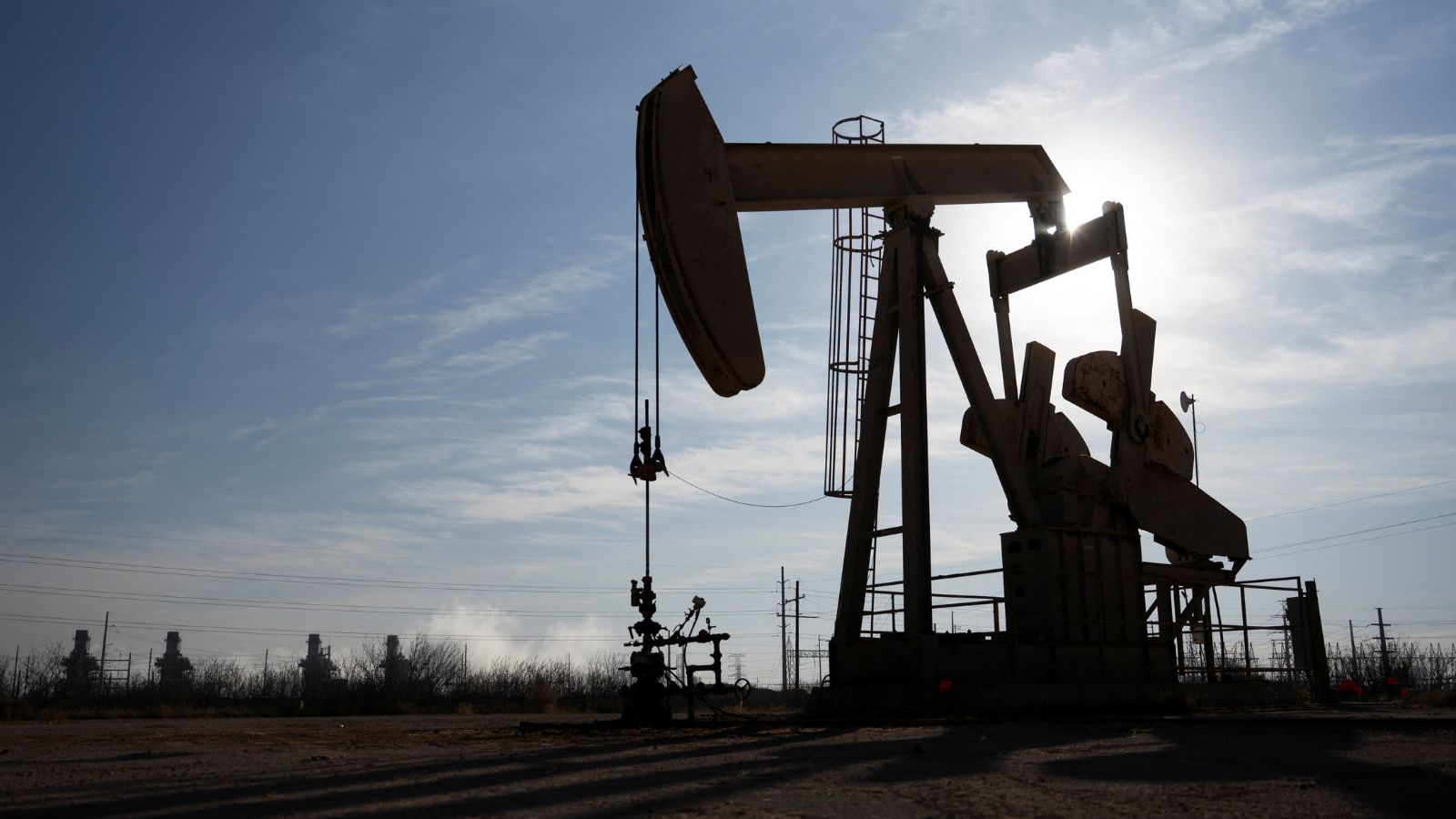
Let's be honest. Pakistan's ongoing economic strain—marked by soaring fuel prices and heavy external debt—makes a prolonged, high-tech arms race financially impossible. Pumping billions into competing with India's expanding navy, air defense, and missile arrays would completely break an already fragile budget.
Instead, Islamabad is framing its own posture as purely defensive. The official line is simple: they aren't looking for aggressive designs anywhere, but they claim full confidence in their ability to defend and retaliate if pushed. It’s a classic political pivot. When you can't match your rival dollar for dollar, you reframe your strategy around deterrence and cost-imposition rather than symmetric buildup.
The Two-Front Headache
There is another massive reason why Pakistan's military leadership is eager to tone down rhetoric with India. They have a blazing fire on their other doorstep.
During the same media interaction, Gen. Chaudhry spent significant time hammering the Taliban-led government in Afghanistan. Islamabad is deeply worried about groups like the Tehreek-e-Taliban Pakistan (TTP), Al-Qaeda, and IS-K using Afghan soil as a safe haven to bleed security forces inside Pakistan.
Fighting an active insurgency on the western border while simultaneously trying to sustain a high-intensity arms race with India on the eastern front is a strategic nightmare. By acknowledging Indian military superiority without escalating tensions, Islamabad hopes to stabilize its eastern flank, allowing security apparatuses to redirect resources toward western counter-terrorism operations.
What This Means for Regional Stability
Don't mistake diplomatic pragmatism for permanent peace. Nuclear-armed neighbors don't overnight become allies just because one side admits the other has better weapons.
What we are witnessing is a calculated exercise in risk management. India keeps pushing its domestic defense manufacturing and long-range strike capabilities to deter multiple regional threats. Meanwhile, Pakistan is dealing with severe economic constraints and a collapsing security situation on its western frontier, forcing a more sober, restrained public vocabulary.
Keep an eye on how these cross-border dynamics evolve as new air defense grids and indigenous missile systems become fully operational. The rhetoric has softened, but the strategic rivalry is only growing sharper.