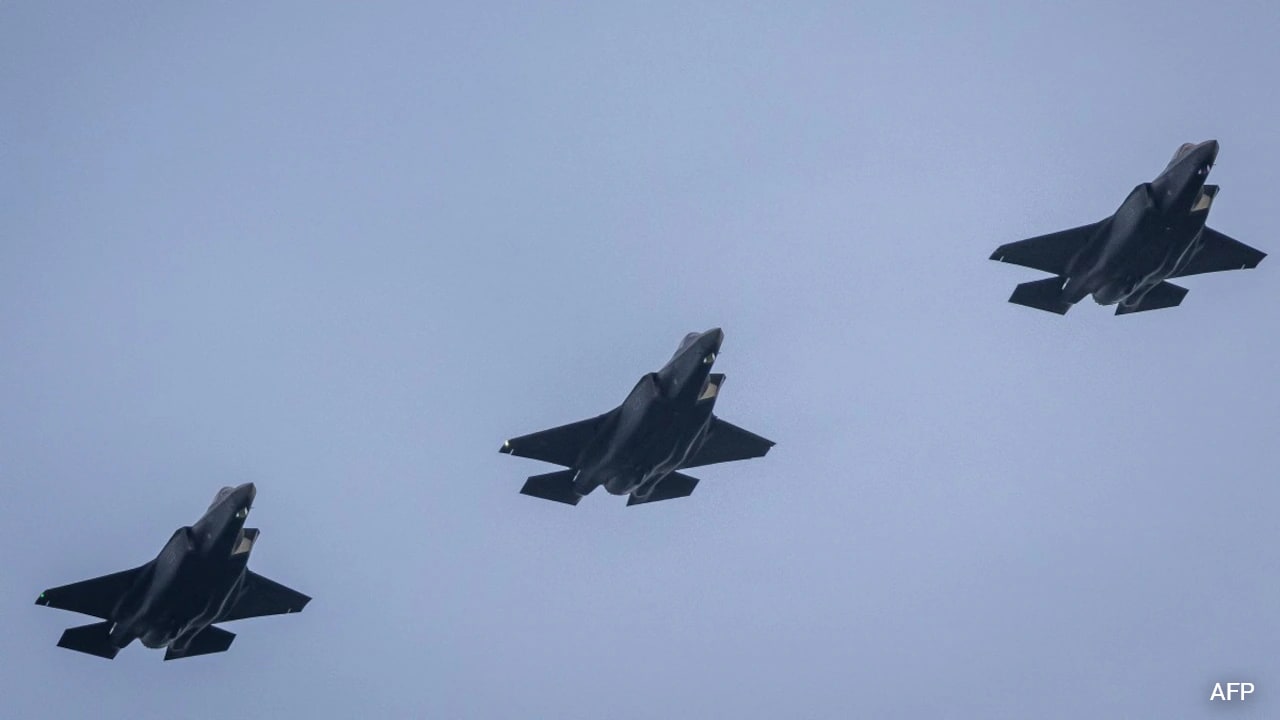
The borders of the Middle East remain a volatile powder keg, and the current escalation between Israel and Lebanon proves that fragile ceasefires rarely hold when core security demands go unmet[cite: 1]. Israeli forces have pushed roughly 10 kilometers deep into southern Lebanese territory, refusing to back down from operational goals that defy conventional diplomatic timelines[cite: 1]. If you think this is just another brief border flare-up, you're missing the strategic pivot currently unfolding on the ground.
Inside The 10 Kilometer Incursion
Military strategy in modern asymmetric warfare rarely follows neat lines on a map. Israel's military chief, Eyal Zamir, made it clear during a recent frontline visit that troops are digging in past the initial buffer zones[cite: 1]. Ground units have advanced up to 10 kilometers inside Lebanon[cite: 1], focusing intensely on dismantling deep underground infrastructure, clearing out weapon caches, and securing elevated terrain like the Beaufort and Ali al-Taher ridges[cite: 1].
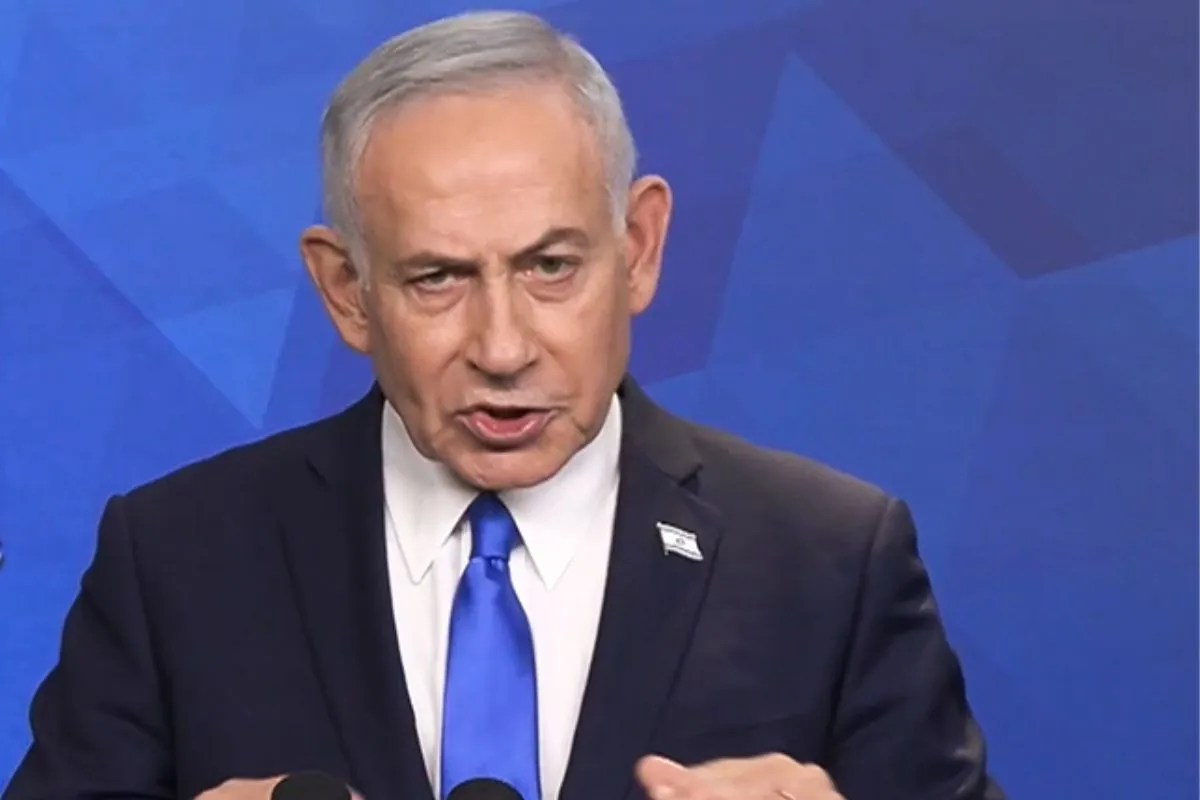
Reports from the ground indicate that more than two kilometers of underground tunnel networks in Ali al-Taher have been systematically neutralized[cite: 1]. Prime Minister Benjamin Netanyahu's administration has maintained that these aggressive measures are non-negotiable until the threat matrix along the northern border changes permanently[cite: 1].
The Demand For Lebanese State Action
What makes this phase of the conflict distinct isn't just the physical presence of the Israel Defense Forces (IDF) deep inside sovereign Lebanese territory[cite: 1]; it's the explicit condition attached to any future withdrawal.
Israel has drawn a hard line regarding the Lebanese Armed Forces (LAF). According to military leadership, any pathway toward a lasting agreement depends entirely on the Lebanese military stepping up to enforce disarmament of Hezbollah[cite: 1] in the region south of the Litani River[cite: 1]. Tel Aviv argues that past international agreements failed because local state forces lacked the institutional will or capability to police the border effectively[cite: 1].
This creates an impossible diplomatic squeeze. Beirut finds itself caught between an advancing foreign military and a deeply entrenched armed faction that operates outside state control.
Diplomatic Stalemates And International Pushback
Despite the ongoing ground operations[cite: 1], diplomatic channels haven't completely shut down. Mediated talks are scheduled to take place in Rome[cite: 1], where international brokers will attempt to breathe life back into the stalled components of earlier ceasefire frameworks[cite: 1]. Those June agreements originally envisioned the total withdrawal of Israeli forces alongside the systematic disarmament of non-state militias[cite: 1], goals that have completely stalled in reality[cite: 1].
Meanwhile, international bodies are sounding alarms. United Nations Secretary-General António Guterres voiced deep concern over the intensified military campaigns[cite: 1], urging an immediate halt to operations that threaten civilian stability and exacerbate a severe humanitarian strain across the region[cite: 1]. Yet, appeals from global organizations carry little weight when military commanders are convinced that halting operations prematurely invites immediate strategic vulnerability.
The reality on the ground is stark. As diplomatic pressure mounts ahead of upcoming international meetings[cite: 1], neither side is showing an inclination to compromise on first principles. Southern Lebanon remains a combat zone where physical control of the terrain outweighs promises made at negotiating tables.