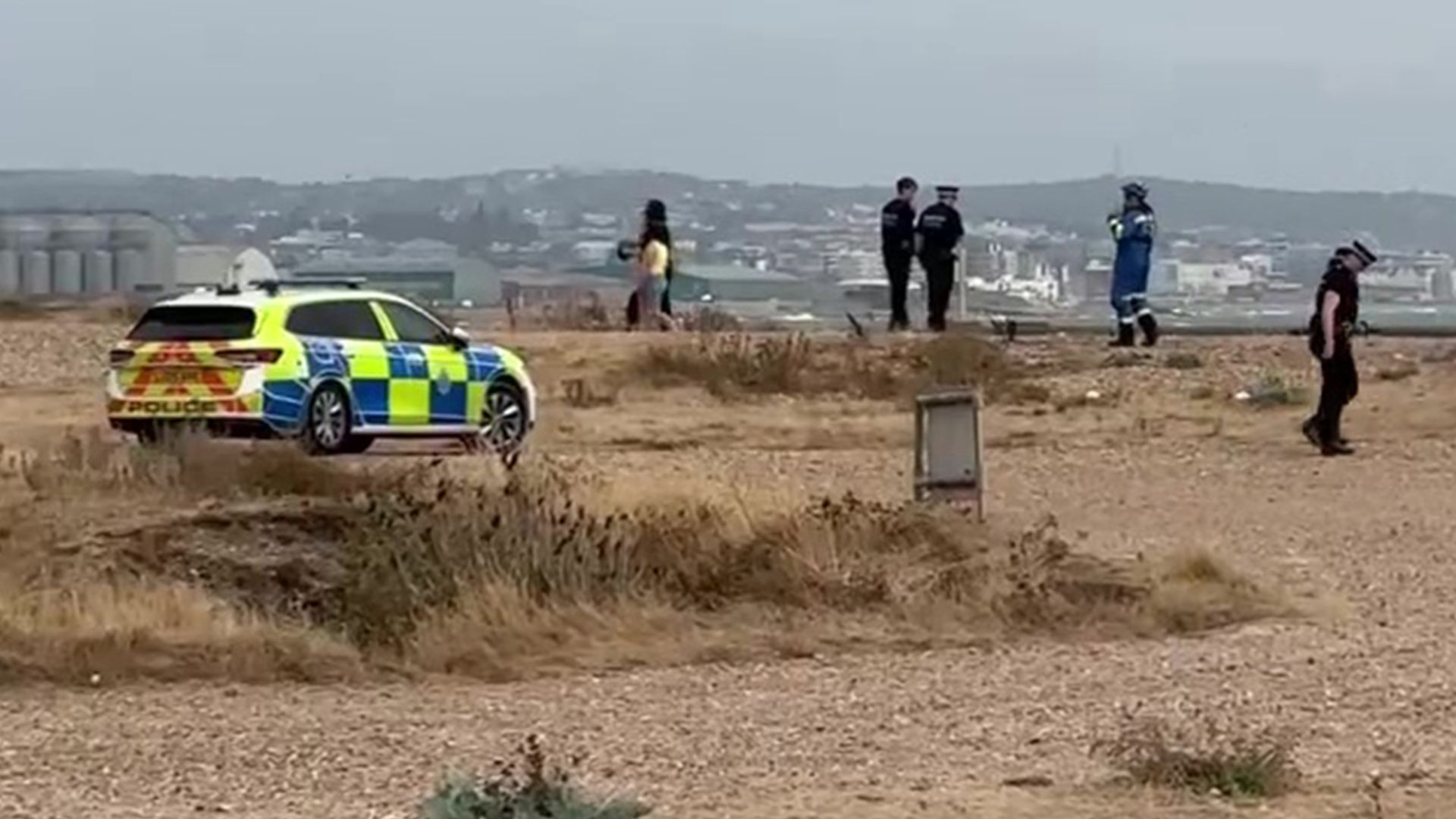
The tragic loss of the El-Khawas family, who all perished after getting into difficulty in the sea at Shoreham-by-Sea, has left a community in mourning and the rest of us asking the same agonizing question: how could this happen?
It’s a nightmare scenario. A simple family day trip, a visit to the coast, and within minutes, everything vanishes. The death of six-year-old Saja El-Khawas, who fought for her life in the hospital for three days after losing her mother, father, and fourteen-year-old sister, confirms the total destruction of a family unit. It’s devastating.
When we head to the beach, we tend to view the ocean as a giant playground. We forget that it's a wild, unpredictable environment that doesn't care about our plans. As an expert in safety, I see people making the same fatal mistakes every summer. We have to stop treating open water like a backyard swimming pool.
The Reality Of Open Water Hazards
You can’t see the dangers in the ocean. That’s what makes it so lethal. In a pool, you have clear lines, gradual slopes, and often, a lifeguard. The sea has none of those guarantees.
Hidden Currents and Tides
Rip currents are the silent killers. They aren't always visible, and they don't look like a raging river. They can be a calm-looking patch of water that’s actually moving away from the shore at speed. If you get caught, you can't just "swim back." Most people panic, swim against the current, exhaust themselves, and sink.
The Cold Water Shock
Even on a hot August day, the water temperature in the UK can be dangerously low. When you plunge into cold water, your body reacts instantly. Your heart rate spikes, your blood pressure jumps, and your breathing becomes uncontrollable. It’s called cold water shock, and it causes drowning long before hypothermia even sets in. You lose the ability to coordinate your muscles, meaning you can't swim, even if you’re a strong swimmer.
The Illusion of Control
Parents often feel that if they can touch the ground, their children are safe. This is a trap. Sea floors are uneven. One step can take you from ankle-deep water into a sudden, deep drop-off. If you’re carrying a child or trying to hold hands, that transition happens in a heartbeat. The person you’re trying to save can quickly become someone who pulls you under in a state of panic.
How to Protect Your Family Right Now
I’ve seen too many of these headlines. We need to change how we approach coastal visits. It’s not about being afraid; it’s about being informed.
- Check the flags. If you’re at a beach, swim only in areas patrolled by lifeguards. If they say no swimming, they mean it. Don't risk your life because you want to cool off.
- Understand the "float to live" rule. If you get into trouble, fight the urge to thrash. Lean back, extend your arms and legs, and float. Keep your airway clear. Thrashing uses oxygen and energy you desperately need.
- Assign a water watcher. Don't just "keep an eye" on the kids. That's vague. Designate one adult whose only job is to watch the water. No phones, no reading, no chatting. When they need a break, the duty passes to another adult. It’s a formal hand-off.
- Learn the signs of drowning. It doesn't look like it does in movies. People rarely wave or yell for help. They go quiet. They bob up and down. Their heads tilt back. If you see someone struggling, you have seconds to act—but don't become a victim yourself.
Moving Beyond The Tragedies
We are human. We want to be near the water. It’s part of how we relax. But when you’re out, keep your guard up. Teach your children that the sea has "rules" that are different from the land.
If you are planning a trip, look at the local council’s guidance for the beach. Check the tide charts. If you’re not a strong swimmer, stay in the shallows. Never, ever go into the water if you’ve been drinking alcohol. Alcohol impairs your judgment and slows your reaction time—a deadly combination in an aquatic environment.
The El-Khawas tragedy is a grim reminder that life can change in an instant. Don't let your family become another statistic. Respect the water. Be the person who stays on the safe side of the shoreline. Watch, listen, and stay vigilant.
Tragedy is often preventable. Keep yourself and those you love out of harm's way by never assuming you are safe, even when the water looks perfectly still.