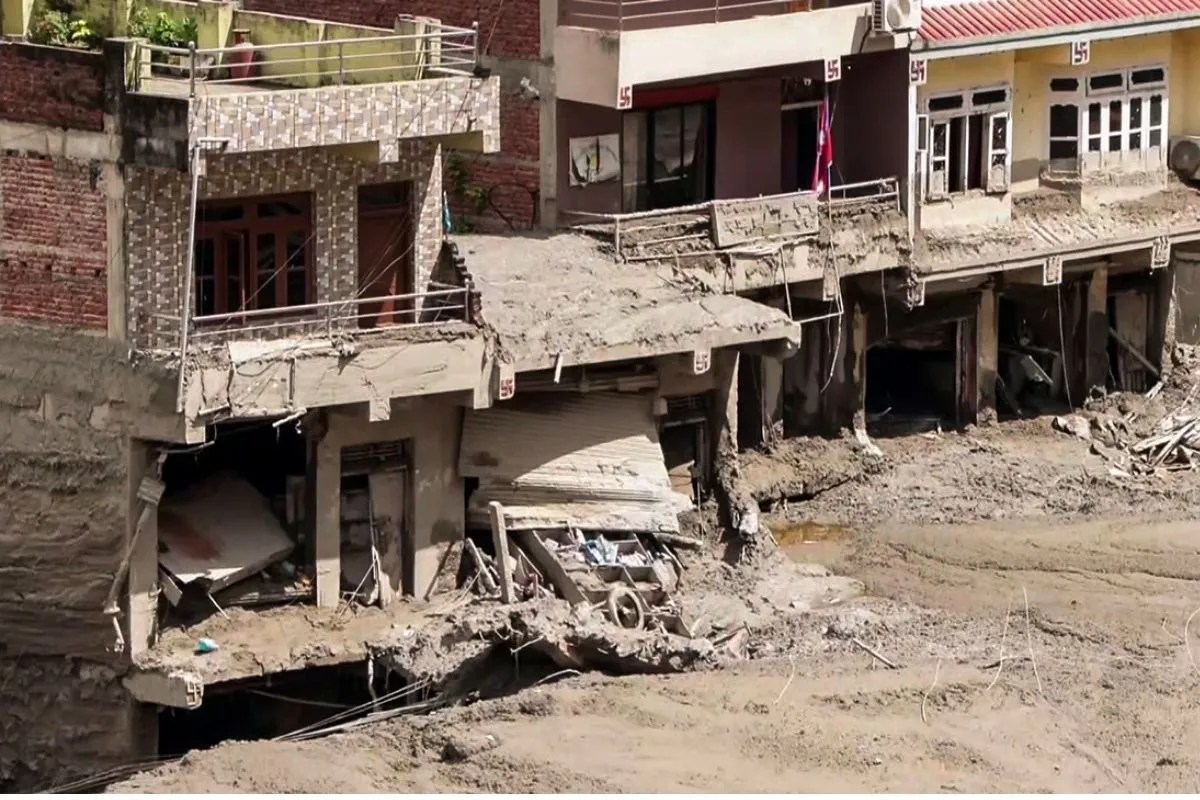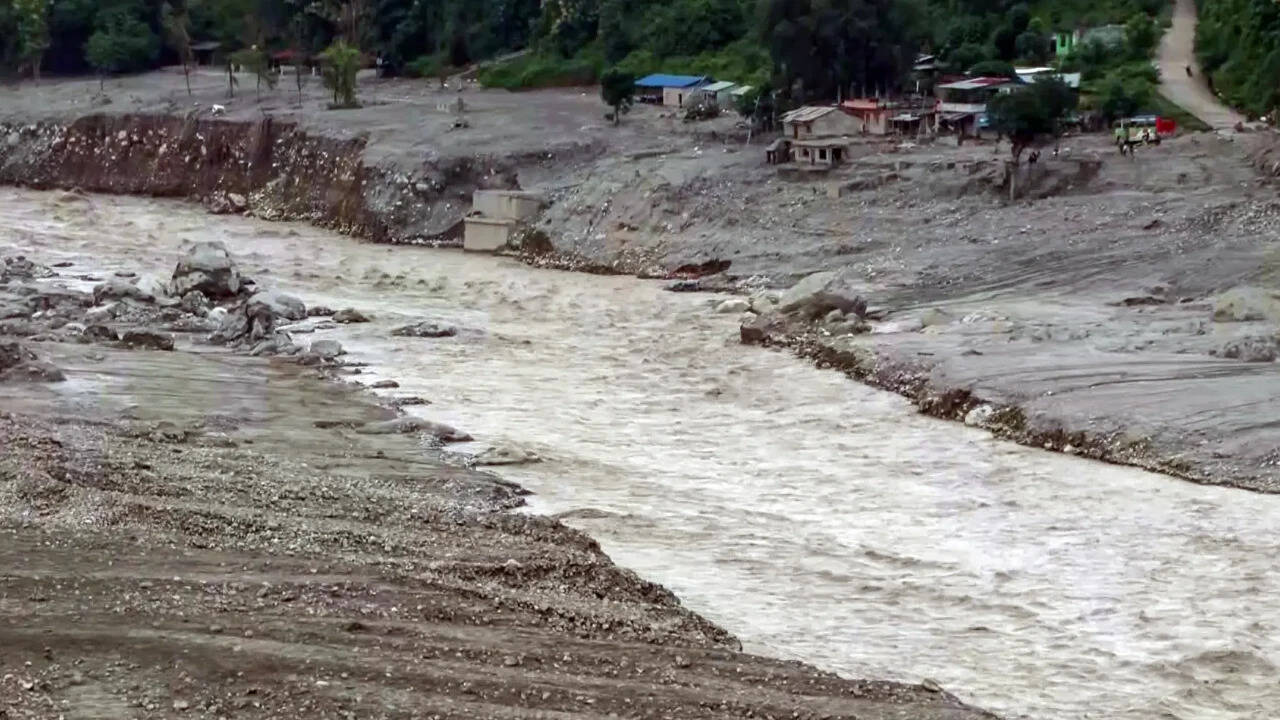
Disaster rarely knocks. It rushes in. On a quiet morning in the settlement of Betrawati, near Trishuli Bazaar in Nuwakot, a catastrophe was barreling down the river long before any official siren or automated warning could reach the vulnerable valley.
At Uttargaya Public School, the morning routine was completely normal. Hostel students sat down for breakfast, teachers prepped their lesson plans, and the day's chatter filled the compound. No one suspected that a wall of water was tearing through the river system from upstream.
Then came the shout.
An unidentified man sprinted past the school gates, screaming at the top of his lungs, "The big flood is coming, run!"
That single, desperate cry changed everything. It bought the exact seconds needed to clear out over 370 students and teachers before the rushing mud and debris swallowed the campus whole.
Why the Warning Mattered So Much
We rely heavily on technology for safety. Weather apps, emergency broadcasting systems, and automated sirens are supposed to keep us safe. Yet, in remote mountain regions like Nepal, infrastructure fails the moment nature strikes with real fury.
Communication lines snapped instantly. Official alerts didn't exist for this specific stretch of the river in time. If that anonymous bystander hadn't chosen to run and scream, the narrative of that morning would look entirely different.
English teacher Somlal Dangol put it bluntly to reporters: "No one could have imagined a flood this massive was coming."
When the warning echoed, hesitation was the biggest enemy. Many students thought the river would just crest normally. They didn't want to run. But seeing the urgency in the stranger's frantic pace forced a panic that saved lives. Grades 7 through 10 students bolted for the forested hill directly behind the school. Teachers grabbed younger children, dragging them through thick, clinging mud as the main paths vanished underwater.
The Chaos of the Climb
Escaping a flash flood isn't clean. It's desperate, messy, and terrifying.
Students like Sujal Lama, a 10th grader, dodged disaster by mere minutes. He had finished morning tuition and was walking toward breakfast when the alert hit. Had he decided to grab food first, the rising torrent would have trapped him. Instead, he sprinted into the forest, spending a harrowing night under the trees before teachers finally tracked him down.
For younger kids, the physical barrier of the mud was a nightmare. Class 8 student Rashmi Tamang recalled how difficult the steep climb was. Children covered in mud struggled to keep their footing while the ground beneath them shifted.
The Heartbreaking Cost
While the school population largely beat the odds, the wider community paid a brutal price.
Amid the frantic evacuations, tragedy struck families trying to reach their children. Nawaraj Tamang heard about the flood and rushed from his home toward Uttargaya Public School. He had one mission: find his son, Ayush. Before leaving, he told his mother, "Aama, ma Ayush lai lina aaye" (Mother, I have come to get Ayush).
He never made it. Nawaraj was swept away by the surging waters before reaching the campus gates. Ironically, his son Ayush had already successfully escaped to the safety of the forested hill and survived.
Accounting for everyone afterward became an administrative nightmare. Vice-principal Pawan Sharma found himself stranded on higher ground with scattered groups of children, zero school records, and dead phone lines. Parents from all over called frantically, but getting clear answers took days.
What This Disaster Teaches Us About Real-World Readiness
We can learn brutal lessons from what happened in Betrawati.
First, formal warning systems cannot be our only safety net. Mountain communities need localized, low-tech redundancy plans. When cell towers drop and power grids fail, human chains and community lookouts are the only things standing between life and death.
Second, schools in flood zones require aggressive, unannounced evacuation drills. Hesitation kills. If those students had debated the warning for even two extra minutes, the muddy paths would have closed off completely.
The anonymous runner vanished back into the chaos of the disaster. We may never know his name. But his split-second choice to stop running for himself and start screaming for others kept a tragedy from turning into an absolute massacre.
Check your local evacuation routes today. If you live near a river system, don't wait for an official text alert to look at the water level. Run first, ask questions later.