When thousands of passengers found themselves stranded at airport gates across the United States, the culprit wasn't a sophisticated cyberattack, a rogue piece of artificial intelligence, or an act of sabotage. It was a humble piece of aging telecommunications infrastructure. A routine upgrade of an old copper wire network in a remote location managed to trigger a nationwide ground stop, exposing the fragile reality holding together modern aviation.
Transportation Secretary Sean Duffy and Federal Aviation Administration officials laid out the facts following the shutdown. The disruption started when telecom contractor L3Harris was performing routine maintenance. They were swapping out legacy copper wiring for modern fiber-optic lines at a remote facility. Meanwhile, you can read other stories here: How Spacex Just Pulled Off The Impossible Upper Stage Catch.
During that upgrade, a single router replacement went sideways. The new hardware began flooding other routers within the air traffic control network with over 1000 connection attempts every four to five seconds. The control system choked. Radar feeds wobbled and communication lines with airborne aircraft started dropping.
Safety protocols demanded an immediate response. Officials ordered a nationwide ground stop out of an abundance of caution, halting an entire country's aviation network because a single piece of network hardware started looping traffic into oblivion. To explore the complete picture, check out the detailed report by CNET.
The Reality of Aging Infrastructure
Let's be honest. Nobody inside aviation circles was truly surprised. The incident pulled back the curtain on America's aging air traffic control infrastructure, a system that routinely relies on legacy hardware and software architectures that belong in a museum rather than a critical national security network.
The numbers are staggering. The Federal Aviation Administration operates legacy communication systems that cost roughly one billion dollars annually just to keep running. Old Cisco routers are constantly patched together, and certain core components date back decades. Just weeks prior to this shutdown, announcements highlighted plans to phase out the use of floppy disks in air traffic management by the end of 2028.
When you run a modern economy on infrastructure built in the 1980s, you are playing a game of statistical roulette. A single bad router configuration in the bush shouldn't be able to bring down transcontinental flight tracking, but when redundancy is thin and modernization has been delayed for decades, minor maintenance errors cascade into catastrophic failures.
The Cost of Delayed Modernization
Blame gets thrown around Washington with reckless abandon every time something breaks. Congress appropriated billions for system upgrades, but officials argue it's a drop in the bucket compared to what is actually required. Requests for tens of billions more to overhaul the National Airspace System face endless political gridlock.
When politicians argue over budgets, travelers pay the price. By the time the ground stop was ordered, tens of thousands of flights were already airborne or scheduled. Thousands of commercial and private flights were cancelled outright, creating a cascading logistical nightmare that stranded crews and aircraft out of position for days.
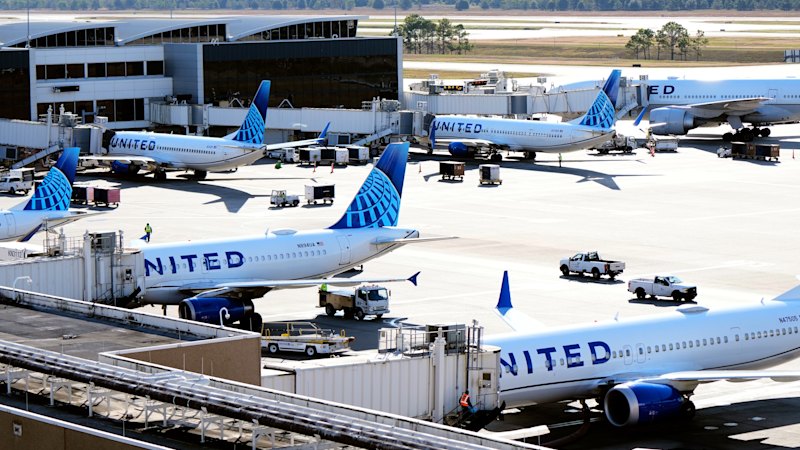
Airlines like United and Delta scrambled to rebook passengers, urging travelers to push trips out by days while logistics teams repositioned stranded pilots and aircraft. The financial losses climb into the hundreds of millions, far exceeding the cost of proactive infrastructure replacement.
What Needs to Happen Next
If you manage critical systems, this incident serves as a brutal masterclass in fragility. You can have the most advanced aircraft in the world flying on state-of-the-art avionics, but if the ground infrastructure connecting them relies on brittle legacy routing and unisolated local nodes, your entire operation remains vulnerable to a single misconfigured router.
True modernization requires structural changes that go beyond patching individual leaks.
- Isolate Network Segments: Local maintenance on peripheral hardware should never have unrestricted, unthrottled broadcast access to core nationwide routing tables. Network segmentation stops local errors from going systemic.
- Accelerate Fiber Transitions: Legacy copper lines must be replaced with robust, redundant fiber networks under strict migration testing protocols that simulate failure conditions before cutover.
- Increase Baseline Funding: Critical infrastructure investments cannot be treated as political leverage. Funding must match the actual operational risk of maintaining 1G technology in a 5G world.
Stop waiting for the next near-miss or total shutdown to take aging infrastructure seriously. The next wire in the bush might not be as easy to fix.