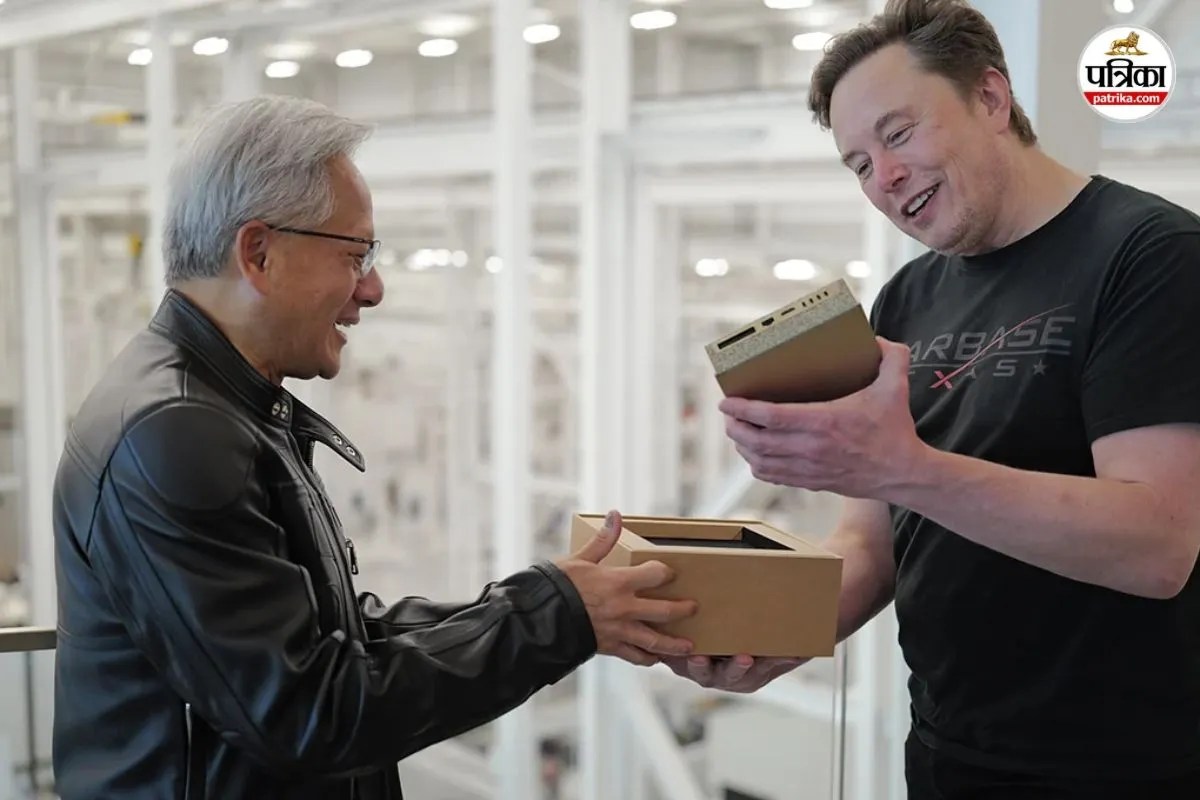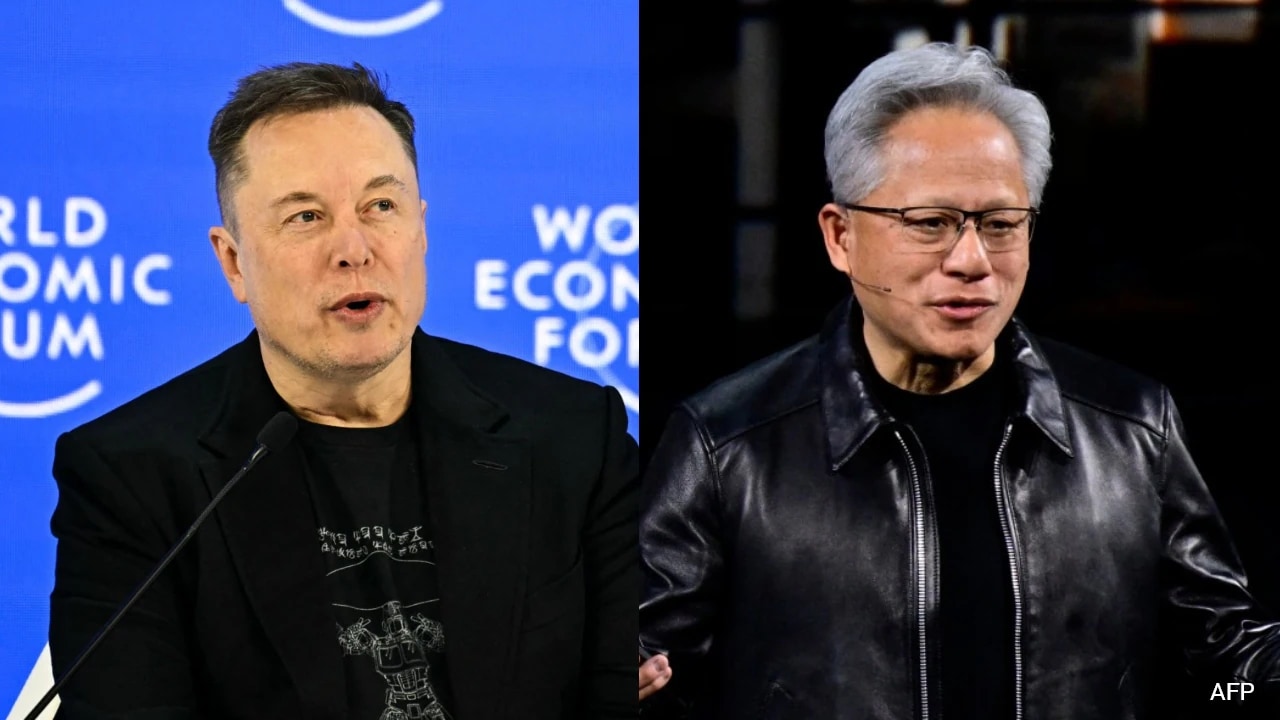
Silicon Valley pretends to run on spreadsheets and legal compliance. It doesn't. At the absolute bleeding edge, where billions of dollars in AI chips change hands overnight, everything depends on sheer willpower, personal trust, and raw speed. Elon Musk recently pointed out a brutal truth about Nvidia that most corporate analysts completely miss. Without Jensen Huang at the helm making instant, high-stakes commitments on pure reputation, the entire machinery of modern computing starts to seize up.
Handshake deals sound old-fashioned. They evoke images of nineteenth-century merchants striking bargains in smoky taverns. Yet, when you are trying to secure one hundred thousand H100 or Blackwell graphics processing units before your competitors can even schedule a kickoff meeting, traditional enterprise procurement is a death sentence. Musk understands this better than almost anyone else in tech. If you must route every major hardware allocation through five layers of committee approval, risk assessment, and legal review, you've already lost the race.
The Death Of Slow Bureaucracy In Silicon
Traditional corporate America moves like a glacier. Contracts take months. Compliance checks drag on for quarters. Lawyers parse indemnification clauses until everyone forgets what problem they were trying to solve in the first place.
That approach works fine if you are selling enterprise database software or upgrading corporate laptops every three years. It fails completely when you are building frontier intelligence models that require continuous, massive compute scaling.
Jensen Huang built Nvidia to operate like a high-speed engine designed to outrun its own shadow. He doesn't wait for a three-hundred-page statement of work to clear procurement. When a visionary builder needs infrastructure, Huang listens, calculates the risk in real time, and commits. That level of agility requires a unique kind of leadership. It requires someone who owns the vision, absorbs the risk, and honors a verbal agreement above any standard corporate template.
When Musk warns that these agreements will vanish without Huang, he isn't just praising a friend. He is identifying a structural vulnerability in modern hardware supply chains.
Why Traditional Buyers Fail At Scale
If you talk to engineers building large clusters at companies like xAI, Meta, or Microsoft, they will tell you that getting chips isn't just about writing a check. Everyone has money. Every tech giant can afford to buy silicon. What they cannot buy easily is priority, timing, and direct engineering collaboration.
A standard corporate executive looks at a purchase order as a transaction. Jensen Huang looks at it as a partnership. That distinction changes everything.
- Speed of execution: Verbal commitments allow companies to start site prep, power allocation, and cooling design weeks before legal teams finish dotted lines.
- Risk tolerance: Professional managers protect their careers by saying no. Founders protect their vision by saying yes and figuring out the execution later.
- Ecosystem alignment: Trust-based deals ensure that hardware goes to teams capable of actually running it efficiently, rather than sitting idle in a warehouse.
When a company grows large enough to institutionalize everything, it usually loses its soul. It replaces instinct with metrics. Nvidia has managed to scale to a multi-trillion-dollar titan while keeping parts of that scrappy, fast-moving founder culture alive, largely due to Huang's dominant, hands-on presence. Remove that central gravity, and the system fragments into competing internal factions, cautious vice presidents, and endless delay loops.
The Real Price Of Losing Personal Leadership
Corporate boards love succession plans written by management consultants. They talk about smooth transitions, institutional continuity, and risk mitigation. But institutional continuity is often just a fancy phrase for managed stagnation.
If Huang stepped away tomorrow, Nvidia would not instantly collapse. The cash flow is massive, the architecture is dominant, and the developer ecosystem built around CUDA creates an immense moat. But the culture of velocity would take a massive hit.
The next generation of executives will not possess the same authority to bypass internal friction. They will answer to activist shareholders, risk committees, and PR consultants. They will hesitate where Huang acts. In a market moving as violently as artificial intelligence, hesitation is fatal.
Musk's warning serves as a reality check for anyone who thinks massive success runs on autopilot. Great tech empires aren't sustained by organizational charts. They are held together by specific human beings who refuse to let red tape slow down progress.
If you manage technology procurement or build infrastructure today, stop relying on the illusion that institutional stability guarantees survival. Look for the actual bottlenecks in your pipeline. Eliminate unnecessary layers before someone else out-executes you on a handshake.