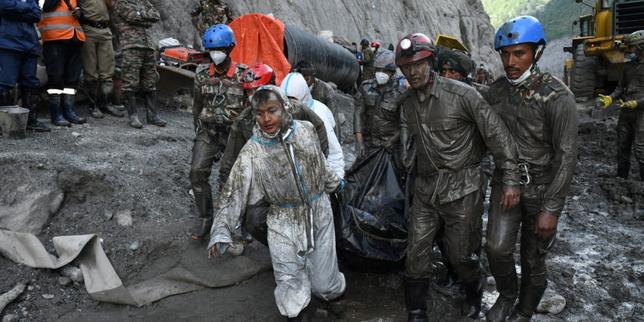
We need to talk about what is actually happening to military installations across the Middle East. For months, the public narrative has relied on sanitized briefings, controlled releases, and reassuring statements about air defense interception rates. But leaked visual evidence tells a radically different story. When active-duty service members describe standing around with their eyes closed while getting punched in the face, they aren't using abstract corporate language. They are talking about multi-million dollar assets splitting clean in two and command centers reduced to rubble.
The recent release of exclusive imagery by CBS News, captured directly by anonymous personnel stationed on the ground, forces a reckoning with reality. Let us look past the official press releases. The numbers coming out of the Defense Department inspector general report point to roughly $3.7 billion in equipment losses, spanning nearly sixty aircraft across various outposts in Kuwait, Saudi Arabia, Bahrain, Qatar, and beyond. That is not a minor leak in the plumbing. That is a systemic failure of deterrence. Read more on a connected subject: this related article.
What the Photos Actually Show
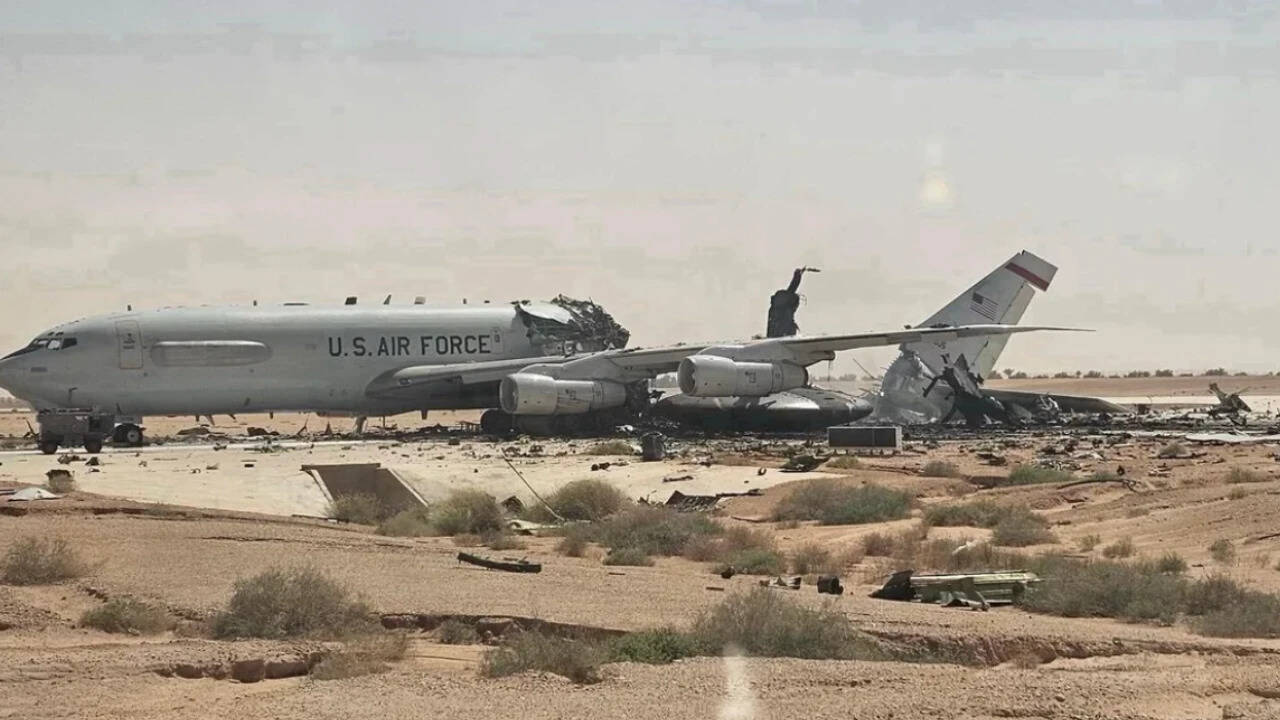
At Prince Sultan Air Force Base in Saudi Arabia, a Boeing E-3 Sentry airborne warning and control system aircraft didn't just suffer minor shrapnel damage. A direct hit severed its entire tail section from the charred fuselage. This platform acts as an eye in the sky for airborne intelligence, and watching one disintegrate on the tarmac exposes structural vulnerabilities that no PR campaign can spin away.
Move south to Kuwait, and the picture gets worse. Camp Buehring and Camp Arifjan show pulverized trailers, gutted housing units, and burned-out logistics vehicles. These are vital staging hubs for US Army ground troops and armored formations. When adversaries bypass high-end missile shields to strike stationary logistical nodes, the operational risk multiplies overnight. Additional journalism by USA Today highlights similar perspectives on this issue.
Troops stationed in these regions report a profound disconnect between Washington messaging and battlefield truth. Defense officials often dismiss incoming projectiles as isolated incidents or minor misses getting past secondary defenses. Service members living under the threat reject that characterization completely. They aren't watching stray munitions miss their mark; they are watching infrastructure burn.
The Cost of Underestimating Modern Missile Tech
Why are traditional air defense umbrellas struggling so badly against contemporary regional attacks? The answer lies in economics and saturation. Firing million-dollar interceptors at low-cost, mass-produced drones creates an unsustainable financial imbalance. Iranian doctrine relies heavily on saturation tactics, overwhelming radar tracking systems until gaps open up wide enough for precision payloads to slip through.
When you lose a $300 million Boeing aircraft on the ground, the financial math stops mattering anyway. The strategic cost involves lost intelligence capacity, compromised staging areas, and shattered morale among personnel who feel exposed.
Critics of current military strategy argue that complacency set in after decades of operating with near-total air supremacy in asymmetric conflicts. Fighting adversaries with advanced ballistic and cruise missile capabilities requires an entirely different playbook. Building thicker concrete T-walls designed to stop mortars or RPGs won't save a base from a precision-guided ballistic warhead.
Where Defense Policy Goes From Here
Admitting vulnerability is the first step toward fixing it. Congress and military commanders are facing intense pressure to reevaluate base hardening, dispersal strategies, and active electronic warfare countermeasures. Concentrating high-value assets on massive, stationary mega-bases makes them too easy to target. Moving forward, the military must lean into mobility, subterranean shelter construction, and advanced directed-energy defenses that don't rely on expensive physical interceptors.
The images leaking out of these bases are a brutal wake-up call. Ignoring the structural damage won't make the threat disappear. If leadership fails to adapt procurement and defensive positioning right now, the next wave of strikes will extract an even higher toll. Stop treating these events as anomalies and start treating them as the new baseline of modern interstate conflict.