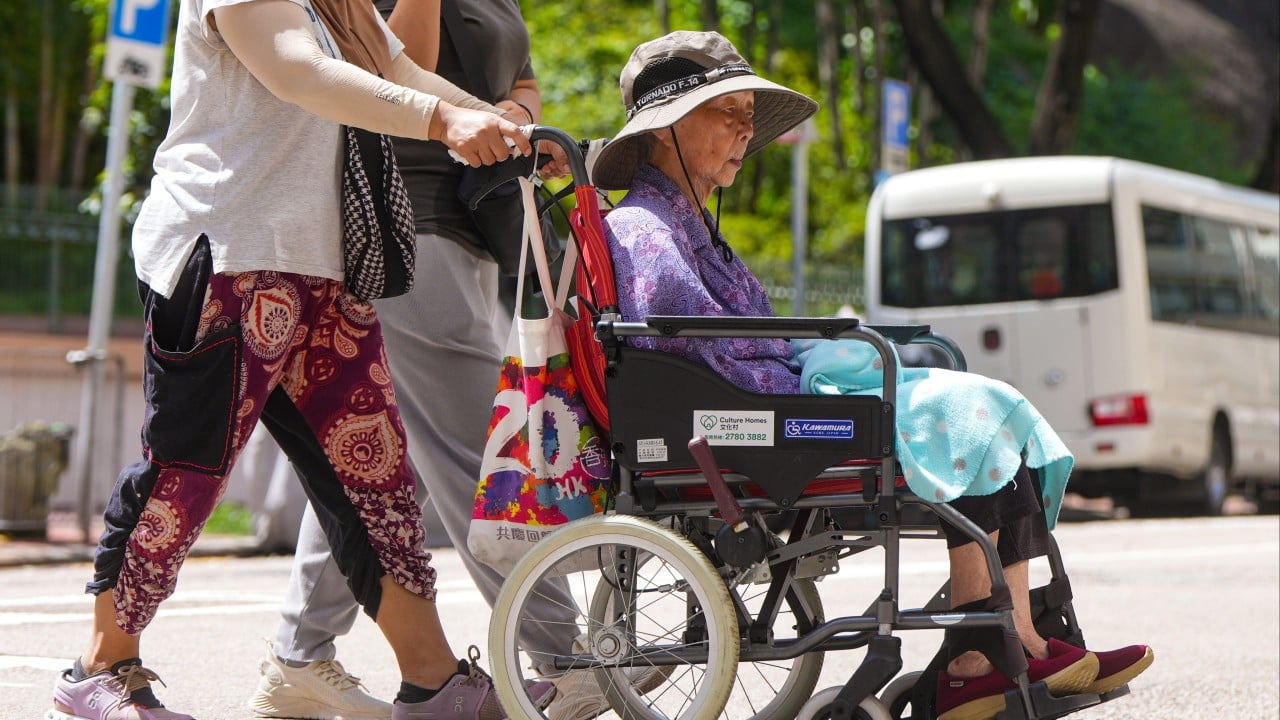
Hong Kong is aging at a breakneck speed, and the current care system is cracking under the pressure. If you have elderly parents or relatives in the city, you already know the raw reality of finding reliable, skilled help. Vouchers and expanded community centers help on paper, but they don't fix the massive shortage of hands-on daily assistance.
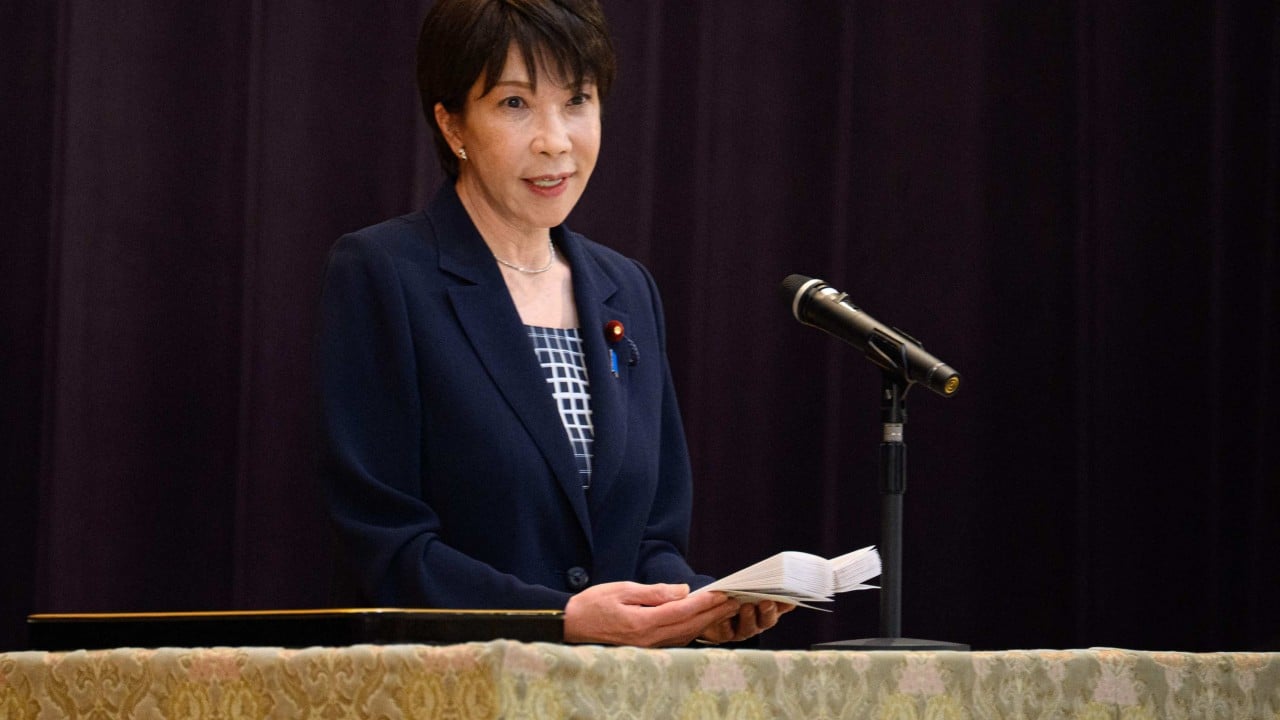
That is why the government's recent announcement in the 2026 Policy Address hits differently. Chief Executive John Lee unveiled plans for a dedicated pilot scheme to bring in foreign domestic carers with advanced training in elderly care. It's a structural pivot designed to bolster aging-in-place initiatives. But how will it actually work, and can it bridge the widening gap in local senior care? Let's break down what this shift means for families across the city.
The Breaking Point of Hong Kong Eldercare
Walk into any public housing estate or look at local family chat groups, and you will hear the same anxious conversations. The demographic data is brutal. Hong Kong's silver population is surging, while local care-sector recruitment remains stuck in neutral.
Traditional foreign domestic helpers have long been the backbone of household care, but most lack specialized clinical training. Managing chronic illnesses, handling safe patient transfers, and dealing with age-related cognitive decline require professional competencies that general domestic work simply doesn't cover. Families are left filling the gap through trial and error, burnout, and astronomical private nursing fees.
The upcoming pilot scheme aims to target this exact vulnerability. Instead of standard housekeepers, authorities intend to admit overseas carers who possess formal background credentials and structured experience in elder support.
Structure of the Foreign Carer Pilot Scheme
Details released by the Labour and Welfare Bureau outline a framework that mirrors elements of the existing foreign domestic helper system, but with targeted upgrades.
- Advanced Training Criteria: Recruited personnel must demonstrate certified training milestones or verifiable professional backgrounds in elderly support.
- Home-Centric Focus: The primary goal is to empower older adults to remain in their communities rather than forcing premature institutionalization.
- System Integration: Officials are aligning the initiative alongside wider efforts like expanded Community Care Service Vouchers and new digital infrastructure.
Structuring the program this way solves a logistical hurdle. Hong Kong already has a functioning administrative pipeline for overseas workers. Adapting that existing infrastructure for specialized healthcare profiles is faster than building a brand-new immigration channel from scratch.
What Families Should Watch Out For
While the policy sounds promising on paper, execution will dictate success. Past labor import schemes in Hong Kong often face friction over vetting standards, language barriers, and retention rates.
If you are thinking about utilizing this upcoming pilot scheme for your own family, keep a few critical factors on your radar. First, demand for these trained positions will heavily outstrip initial supply. Government pilot programs always launch with strict quotas and capped numbers. Second, training standards across different overseas jurisdictions vary wildly. You'll need to look closely at the specific credentials attached to any candidate.
Families shouldn't view this policy as an immediate silver bullet. It's an experimental framework. Expect initial administrative bottlenecks as recruitment agencies adapt to the new specialized criteria.
Next Steps for Planning Senior Care
Navigating Hong Kong's eldercare landscape requires proactive planning rather than waiting for systemic fixes to land at your door.
- Audit Current Subsidies: Check your eligibility for existing Community Care Service Vouchers to maximize immediate support options.
- Monitor Policy Rollouts: Keep track of the Labour and Welfare Bureau timelines regarding when pilot applications open for employers.
- Upskill Existing Help: If you currently employ a domestic helper, look into local certification courses that bridge basic care into specialized senior assistance while waiting for the pilot to mature.
The shift toward importing skilled foreign carers marks a realistic acknowledgment of Hong Kong's demographic crisis. How smoothly it integrates into daily family life remains the ultimate test.