Geopolitical stability can shatter in a single morning. Just days after high-level diplomatic handshakes between world powers, the reality on the water tells an entirely different story.
A fresh maritime confrontation at Second Thomas Shoal has triggered a fierce diplomatic war of words between the United States and China, exposing the fragile nature of regional truces in the South China Sea. If you thought backroom summits had permanently cooled tensions in Asian waters, the events of late September 2026 proved otherwise.
What Triggered the Latest Clash at Ayungin Shoal
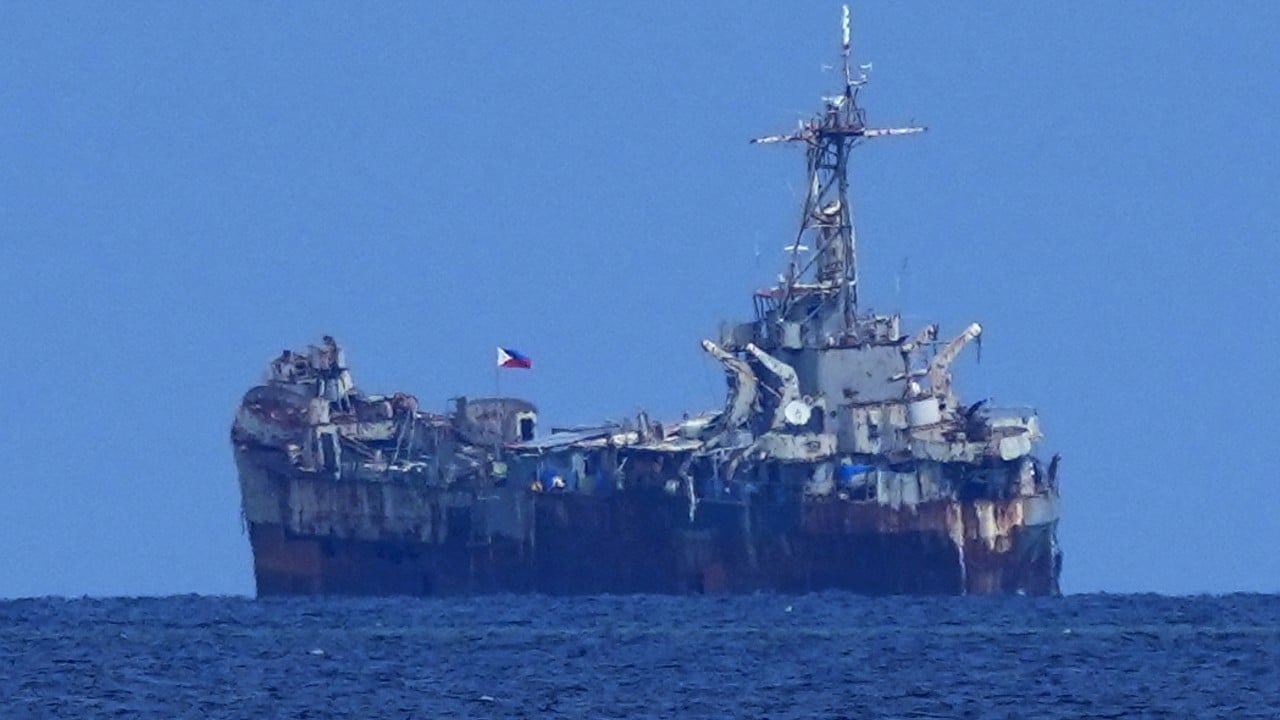
The flashpoint erupted on September 24, when a routine Philippine rotation and resupply mission to the grounded warship BRP Sierra Madre at Second Thomas Shoal—known locally as Ayungin Shoal—ran straight into aggressive opposition. According to Philippine officials and statements from the US embassy, China Coast Guard and People's Liberation Army Navy vessels engaged in dangerous blocking and irresponsible maneuvers.
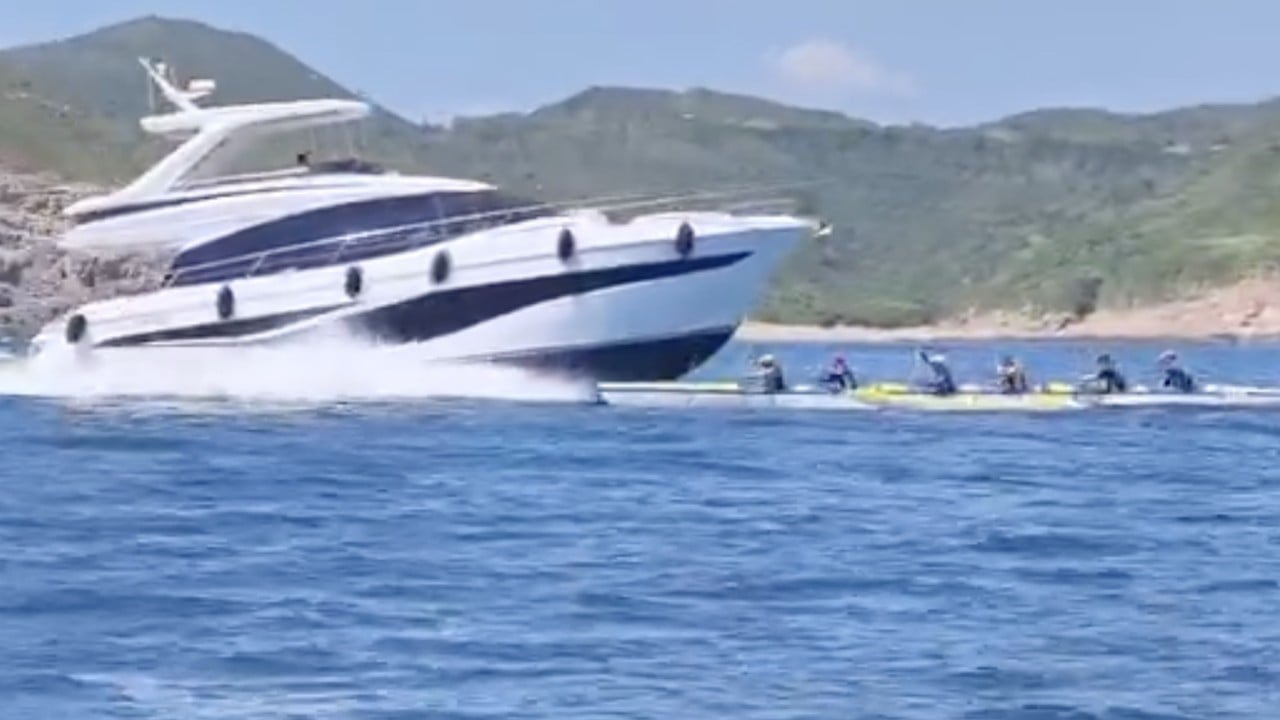
These aren't abstract policy disputes. We are talking about massive state vessels cutting across the bows of smaller supply boats, creating immediate collision risks and preventing vital logistics from reaching personnel stationed on the reef.
Washington didn't stay quiet. The US Embassy in Manila quickly issued a sharp condemnation, calling Beijing's tactics escalatory and reaffirming unwavering support for its Philippine treaty ally.
Beijing Fights Back Against Washington's Stance
China's response was swift and unapologetic. The Chinese embassy in Manila lashed out at Washington, accusing the US of fanning flames and interfering in regional affairs. Beijing argued that Manila violated its commitments and the Declaration on the Conduct of Parties in the South China Sea by proceeding with the mission despite prior warnings.
From Beijing's perspective, foreign powers like the United States are the primary driver of regional friction. They claim their coast guard vessels were merely exercising lawful law enforcement and monitoring activities within their perceived sovereign domain.
Manila's security officials immediately pushed back against Beijing's narrative. Commodore Jay Tarriela publicly questioned the Chinese embassy's logic, insisting that the resupply operations are entirely legitimate, routine, and compliant with international standards.
Why This Stand-off Matters Right Now
The timing of this escalation carries heavy symbolic weight. It occurred just days after high-profile high-level meetings between US and Chinese leadership, including talks following a state visit.
It proves a stark lesson. Global summits in distant capitals rarely dictate the volatile realities of tactical commanders on frontline disputed reefs.
Here is what most casual observers miss about these recurring stand-offs:
- Provisional understandings or local resupply deals are exceptionally fragile. They can collapse over a single disputed transit.
- The US-Philippine Mutual Defense Treaty remains the ultimate backstop, meaning any miscalculation at sea risks dragging major nuclear powers into a direct face-off.
- Gray-zone tactics—using coast guard ships and maritime militias instead of formal navy warships—allow nations to push boundaries without triggering an automatic military response.
What Comes Next for the South China Sea
You can expect more of the same volatile friction. As long as Manila insists on exercising its sovereign rights within its exclusive economic zone and Beijing continues to enforce expansive historic claims, tactical clashes will remain a constant hazard.
Words from embassies won't calm these waters. Until genuine, binding bilateral crisis-management mechanisms replace hostile posturing, every single resupply run to Second Thomas Shoal will remain a high-stakes gamble. Pay close attention to how regional alliances adapt, because the next miscalculation might not end with just a verbal exchange.