Monaco doesn't do violence. The tiny principality on the Mediterranean coast prides itself on a specific kind of quietness, the sort that only extreme wealth and ubiquitous video surveillance can buy. Yet just hours ago, a shrapnel-packed backpack shattered that illusion completely.
A deliberate explosion ripped through the lobby of a luxury residential building on Rue Révérend Père Louis Frolla, right along the French border. The blast severely injured Ukrainian-born construction tycoon Vadym Iermolaiev, his partner, and their 13-year-old son. It is a rare, terrifying event for a state that usually measures its crises in yacht slip shortages or Grand Prix traffic.
This isn't just a local crime story. It is a flashpoint exposing a hidden war playing out across Europe's most exclusive sanctuaries, where exiled oligarchs, shifting loyalties, and international sanctions collide.
The Night the Illusion of Safety Shattered
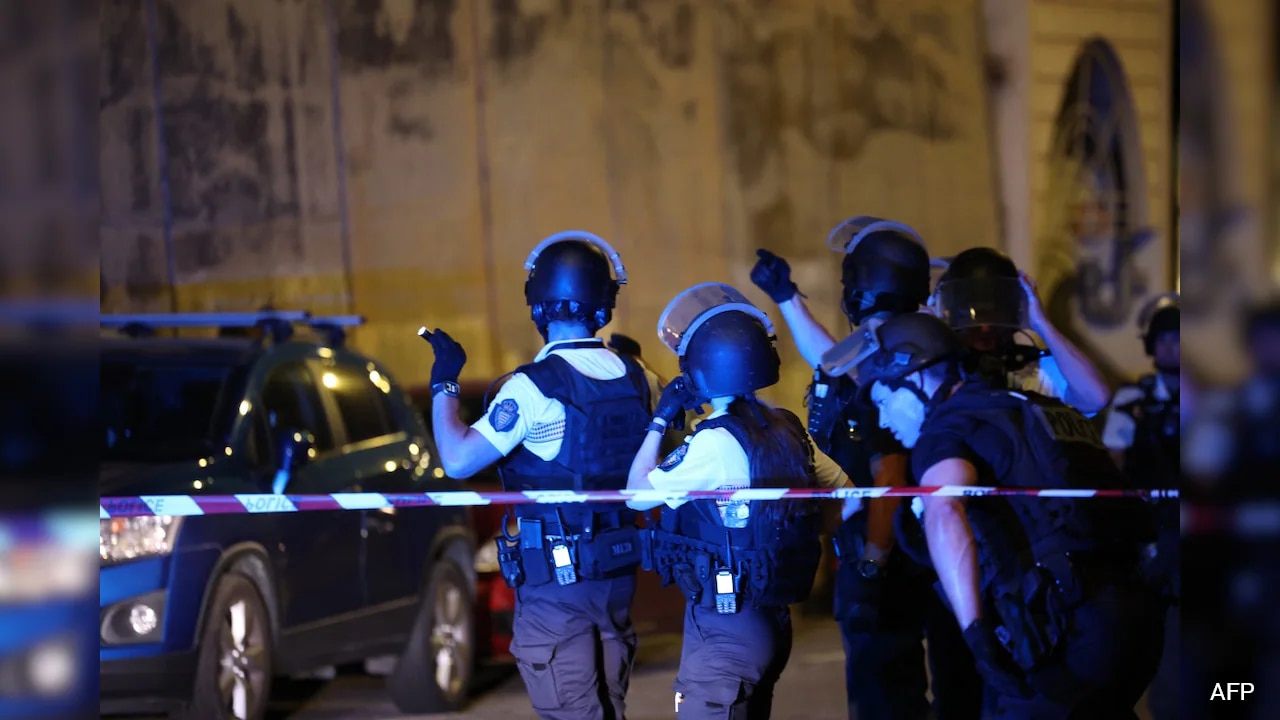
Around 9:00 pm local time on Monday night, a suspect wearing a dark top and a bucket hat calmly walked into the building's lobby. Closed-circuit television captured him dropping a backpack and walking quickly away. Minutes later, the device detonated.
This wasn't a crude firecracker. Monaco Minister of State Christophe Mirmand confirmed the bomb was packed with bolts and buckshot, designed specifically to function as an anti-personnel weapon. The blast wave shattered windows across the street and left two adults fighting for their lives. Local witnesses reported horrific scenes in the immediate aftermath, including catastrophic injuries to the legs of Iermolaiev's partner. The 13-year-old boy suffered less severe but still significant wounds, while four other neighbors had to be treated for severe shock and flying glass lacerations.
The response was immediate and massive. Roughly 50 firefighters and 80 heavily armed security personnel swarmed the quiet street. Helicopters circled overhead as Monaco authorities essentially locked down their borders.
The manhunt is currently spilling deep into France. Video tracking shows the suspect fleeing on foot directly across the border line into the neighboring French town of Beausoleil, where French national police and about 40 gendarmes have joined the chase.
Who Is Vadym Iermolaiev
To understand why someone would walk a shrapnel bomb into a quiet Monaco lobby, you have to look closely at the target. Iermolaiev isn't just any wealthy expat. Originally from the southeastern Ukrainian city of Dnipro, he built an empire through the Alef trade and industrial corporation, becoming one of the region's largest real estate developers and most influential business figures. He regularly held a spot on the Forbes list of the top 100 richest Ukrainians.
His relationship with his homeland turned toxic. Iermolaiev had extensive business dealings in Crimea before Russia's 2014 annexation. After the annexation, he allegedly re-registered several of his companies with Russian authorities to keep them operational. That move infuriated Kyiv.
By December 2023, the Ukrainian government officially slapped Iermolaiev with severe sanctions, specifically citing his alcohol business activities in Russian-occupied territories. Somewhere along the line, he renounced his Ukrainian citizenship entirely, opting instead for Cypriot nationality while setting up his primary residence in the safety of Monaco.
The Toxic Legacy of Battalion Monaco
Iermolaiev's presence on the French Riviera highlights a massive cultural and political wound within Ukraine. Since the full-scale Russian invasion began, a string of highly critical investigative reports by outlets like Ukrainska Pravda turned a harsh spotlight on what they dubbed "Battalion Monaco."
This term became a shorthand for the hundreds of wealthy Ukrainian politicians, tycoons, and oligarchs who fled the country in the early days of the war. While ordinary citizens were drafted to fight in the trenches of Donbas, these ultra-rich individuals were spotted driving Ferraris through Monte Carlo, sunbathing on mega-yachts, and buying up prime real estate along the Mediterranean.
Iermolaiev tried hard to rewrite his public narrative. He launched a public relations campaign claiming he fully supported Ukraine, pointing out that his private plane had been destroyed and his properties looted in Russian-occupied zones. He claimed he donated millions to the Ukrainian war effort.
The public anger didn't evaporate. To critics at home, he remained a symbol of wartime desertion and corporate collaboration with Russia. To Russian assets, he was a volatile, sanctioned figure playing both sides.
Why High Net Worth Protection Is Overrated
For decades, the global elite assumed that moving their money and bodies to places like Monaco, London, or Switzerland bought them permanent immunity from the messy realities of geopolitics. This bombing proves that theory dead wrong.
When international conflicts turn existential, the battlefields expand. Traditional executive protection strategies usually focus on protecting a client while they are out in public, like moving between a vehicle and a restaurant. They often treat the home base as an inherently safe zone, especially in high-security microstates.
Leaving a shrapnel bomb in a shared residential lobby bypasses standard bodyguard perimeters entirely. It shows a sophisticated level of surveillance by the attacker, who clearly mapped out the family's daily routines and the building's physical entry vulnerabilities.
How to Assess Your Security Risks Moving Forward
If you operate in high-stakes corporate environments or hold assets across contested political borders, you cannot rely purely on the reputation of the city you live in. Security requires active, continuous management.
Audit the Physical Entry Points of Shared Residences
Do not mistake luxury for security. Many high-end apartment complexes have gorgeous lobbies but surprisingly weak access controls. If delivery drivers, couriers, or random guests can access a common mailroom or lobby area without a secondary physical screening or biometric verification, the building is vulnerable.
Monitor Personal Information Footprints Digitally
The era of hiding behind a shell company or an offshore trust is functionally over. Investigative journalists, open-source intelligence hobbyists, and hostile state actors can track private jet registrations, yacht transponders, and social media geolocations with terrifying accuracy. If a motivated actor wants to find your physical address, they will.
Establish Explicit Protocol for Unsolicited Packages
A parcel bomb depends on a lack of suspicion. High-net-worth individuals and their immediate family members must never personally handle unsolicited deliveries, unexpected mail, or strange bags left near their doorsteps. All incoming packages should go through an off-site screening process or a designated security professional trained to identify explosive signatures.
The blast on Rue Révérend Père Louis Frolla changed the rules of engagement for elite expats. Monaco will undoubtedly tighten its iron ring of surveillance cameras and border checks, but the message has already been delivered loud and clear across Europe. No amount of money can completely insulate you when a shadow war decides to knock on your door.