People don't want to talk about the Central Mediterranean anymore. It's too grim, too repetitive, and too deeply uncomfortable for Western policymakers. But turning a blind eye doesn't stop the bodies from washing up on the beaches of North Africa.
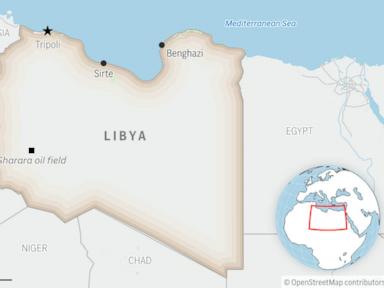
On Tuesday, July 14, 2026, another tragedy unfolded off the coast of eastern Libya. A flimsy boat packed with roughly 60 migrants—including women and children chasing the distant promise of European safety—capsized near Bardaa Island, just off the coastal city of Tobruk. At least 50 human beings are now dead or missing. Just ten survivors managed to muster the strength to swim to the rocky shores of the island to save themselves.
This isn't an isolated accident. It's a systemic failure. The mainstream media covers these horrors as routine weather events, flashing a headline before moving on to the next political cycle. We need to stop treating these shipwrecks as unavoidable natural disasters. They are the direct result of broken geopolitical strategies, ruthless smuggling networks, and an international community that has decided some lives are worth less than others.
Inside the Tobruk Shipwreck Near Bardaa Island
The details coming out of eastern Libya follow a sickeningly familiar pattern. Smugglers crowded about 60 people into a vessel completely unfit for the open sea. When you cram that many desperate people onto a poorly maintained wooden or rubber boat, disaster isn't a risk. It's a mathematical certainty.
The vessel went under near Bardaa Island. For the ten people who made it to shore, survival meant watching dozens of their companions drown in the dark. Local Coast Guard authorities in eastern Libya stated that search operations are ongoing, but let's be honest about what that means at this stage. In the treacherous currents off Tobruk, a search operation quickly becomes a recovery mission.
What makes this specific disaster even more frustrating is how predictable it was. Just last month, in June 2026, another shipwreck right off the eastern Libyan coast left 51 migrants dead or missing. The local Red Crescent and coast guard spent days pulling white body bags onto the sand. The international community expressed brief, scripted condolences, and then everyone went back to business as usual.
The Grim Reality of the Eastern Libyan Route
Historically, the western coast of Libya—around Tripoli and Sabratha—served as the primary launchpad for Europe-bound crossings. But things have shifted heavily. The eastern region, controlled by different factions, has rapidly become a major hub for human trafficking networks.
Traffickers exploit the vast, porous borders that Libya shares with six nations. They pull in people fleeing conflict, economic collapse, and persecution from across Sub-Saharan Africa, the Horn of Africa, and the Middle East. Tobruk has turned into a major focal point for these departures.
Data from the International Organization for Migration paints a terrifying picture of this route. Between January 1 and May 16 of this year alone, more than 800 migrants were officially recorded as dead or missing in the central Mediterranean. Keep in mind, that number only accounts for the shipwrecks we actually know about. Hundreds of people disappear without a trace, leaving behind families who will never get closure. Last year, the route claimed more than 1,300 lives. The Mediterranean isn't a moat. It's a graveyard.
Why European Externalization Policies Keep Failing
European leaders love to talk about human rights, but their migration policies tell a completely different story. For years, the strategy has focused heavily on "externalization." This is a polite bureaucratic term for paying developing nations and unstable regimes to keep migrants away from European borders at all costs.
Europe has poured millions into funding and equipping the Libyan Coast Guard. The goal is simple: intercept boats before they reach international waters and drag the migrants back to North Africa.
This strategy fails on two major fronts.
First, it doesn't stop people from trying to cross. When you escape a war zone or a country where your family is starving, a dangerous sea crossing looks like a logical risk. Deterrence policies don't change the underlying push factors. They just force desperate people to take even crazier risks, leading them straight into the hands of more ruthless smugglers who use even less safe routes to evade detection.
Second, the moral cost of this policy is staggering. Libya is not a safe harbor. Ever since the 2011 NATO-backed uprising that overthrew Moammar Gadhafi, the country has remained fractured, unstable, and plagued by militia rule. Handing over border enforcement to an unstable state is an invitation for systemic abuse.
The Interception Loop and Human Rights Violations
What happens to the migrants who don't drown, but get intercepted by authorities and sent back? They get thrown directly into the Libyan detention system.
United Nations investigators have documented the conditions inside these government-run and militia-controlled facilities for years. They don't mince words. The reports detail practices that clearly amount to crimes against humanity.
- Migrants face systematic extortion, where guards torture them while on the phone with their families to demand ransom money.
- Forced labor is incredibly common, with detainees used as unpaid workers for local businesses or militias.
- Physical abuse, severe malnutrition, medical neglect, and sexual violence are widespread realities within these walls.
When Western countries fund the entities that feed this loop, they become complicit in the abuse. The survivors of the Tobruk shipwreck who didn't escape into the local community now face the very real threat of entering this exact cycle of detention and exploitation. It's a horrific choice: drown at sea or face torture on land.
Actionable Steps for Genuine Humanitarian Intervention
We have to stop treating these tragedies as an unfixable reality of the modern world. Change requires shifting away from border militarization and focusing heavily on human safety and legal infrastructure.
Establish Expanded Legal Pathways
The absolute most effective way to destroy the business model of human traffickers is to make them irrelevant. As long as there are no legal ways for refugees and economic migrants to apply for visas or asylum from their home regions, they will continue to pay smugglers thousands of dollars for a spot on a lethal rubber dinghy. Europe needs to scale up humanitarian visas, labor migration channels, and resettlement programs.
Reinstitute Coordinated Search and Rescue Operations
State-sponsored search and rescue operations in the Mediterranean have been heavily scaled back or replaced by aggressive border patrol missions. Non-governmental organizations that operate rescue ships face constant legal harassment, bureaucratic roadblocks, and the impounding of their vessels by European authorities. International law is clear: saving lives at sea is a fundamental obligation. Governments must support, rather than criminalize, these lifesaving efforts.
Condition Aid on Verifiable Human Rights Standards
Financial support and maritime equipment sent to North African transit countries must come with strict, non-negotiable strings attached. If an agency or oversight body finds evidence of abuse, torture, or collusion with human smuggling networks, the funding must stop immediately. True accountability means independent monitoring of detention facilities and tracking every dollar spent on border management.
The tragedy near Bardaa Island should be a harsh wake-up call. The current strategy of containment and externalization isn't working. It's just driving up the body count. We can either keep pretending this is someone else's problem, or we can build a migration system that values human life above political expedience.
If you want to make a difference, start by supporting organizations on the ground. Groups like Sea-Watch, Doctors Without Borders (MSF), and the Alarm Phone network provide direct, lifesaving aid and keep the spotlight on the crisis when the rest of the world prefers to look away. Demand that your political representatives prioritize human rights over closed borders. Silence is exactly what allows this crisis to continue year after year.