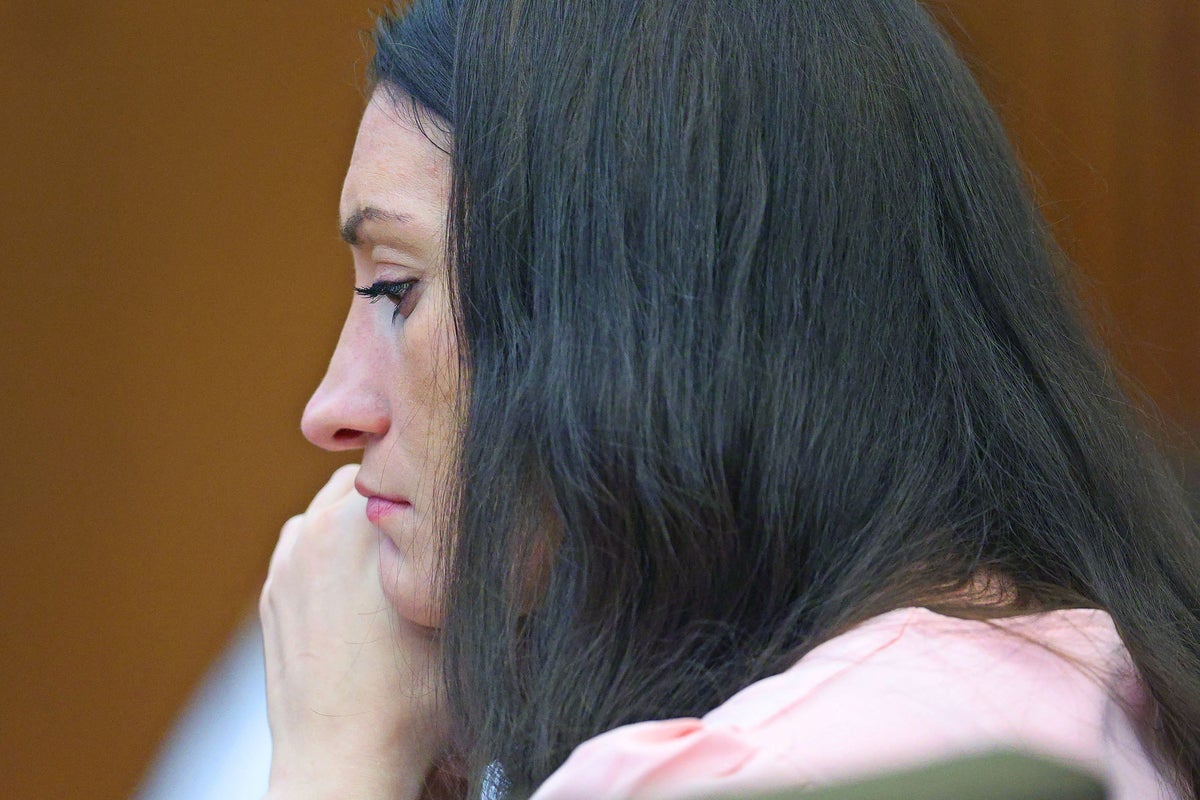
The courtroom battle over Lindsay Clancy's medical history has put the spotlight squarely on how doctors treat postpartum mental health. During the high-profile murder trial in Massachusetts, defense attorney Kevin Reddington went after Dr. Jennifer Tufts, one of the psychiatrists who treated Clancy in the months before she strangled her three young children. The argument was blunt. The defense painted the young psychiatrist as a box-checking provider who relied on rigid checklists rather than truly seeing a patient sliding into a severe mental health crisis.
If you look past the sensational headlines, this case exposes a massive vulnerability in outpatient psychiatry. When a patient sees a practitioner over video link, rattles off standard symptoms, and denies having a concrete plan for self-harm, what is a clinician supposed to do? But the defense strategy raises uncomfortable questions about whether standard clinical workflows are failing mothers who desperately need more than a revolving door of prescriptions.
The Medication Maze and the Burden of Proof
Clancy's medical timeline in the months leading up to January 2023 is staggering. Court testimony revealed that she was prescribed numerous medications across multiple providers. Dr. Tufts managed her care via telehealth starting in September 2022, diagnosing her with generalized anxiety disorder and an adjustment disorder with depressed mood.
Throughout their sessions, Tufts noted that Clancy felt depressed, experienced low motivation, and at times felt close to despair. Yet, the psychiatrist maintained under cross-examination that Clancy never reported hearing voices, experiencing psychotic symptoms, or expressing any intent to harm her children.
The defense seized on these notes to challenge the depth of the care provided. Reddington grilled Tufts on her clinical experience with postpartum conditions at the time she took on Clancy as a patient, pointing out that Tufts had recently finished her residency. When a doctor prescribes a shifting cocktail of psychiatric drugs—ranging from SSRIs to anti-anxiety medications and mood stabilizers—small changes can carry massive risks for a patient already losing her grip on reality.
Why Standard Checklists Fall Short in Postpartum Care
The core accusation from the defense is that traditional psychiatry relies too heavily on what patients say out loud, ignoring the physical and psychological toll of severe postpartum illness. Medical professionals are trained to ask direct screening questions:
- Are you having thoughts of suicide?
- Do you want to hurt yourself?
- Do you have a plan?
If the patient answers no, standard protocol rarely mandates immediate hospitalization. Critics of this system argue that postpartum psychosis operates differently. Mothers experiencing complete psychological unravelling often mask their symptoms out of fear, shame, or exhaustion. They might provide standard, socially acceptable answers to direct questions while experiencing terrifying intrusive thoughts beneath the surface.
When Tufts testified that she saw no sign of imminent danger during their final appointment on January 23, 2023—just a day before the tragedy—it highlighted a terrifying disconnect. The clinician saw a depressed patient managing daily tasks; the defense argued the patient was heavily overmedicated and silently slipping into psychosis.
The Real Lesson for Patient Advocacy
You cannot rely on a fifteen-minute virtual check-in to catch the nuances of a severe psychiatric breakdown. Whether you are navigating the healthcare system yourself or advocating for a loved one, this case underscores why passive treatment models are dangerous.
If a medication makes you feel numb, causes severe internal restlessness, or fails to improve your sleep after a couple of weeks, do not wait for your next scheduled appointment. Push for comprehensive evaluations, involve family members in treatment discussions so doctors hear multiple perspectives, and treat rapid medication changes as a major warning sign.
The courtroom arguments over Dr. Tufts' methods will eventually lead to a legal verdict, but the wider wake-up call for the medical community is already clear. Treating postpartum depression requires active, aggressive oversight, not just checking boxes on a screen.