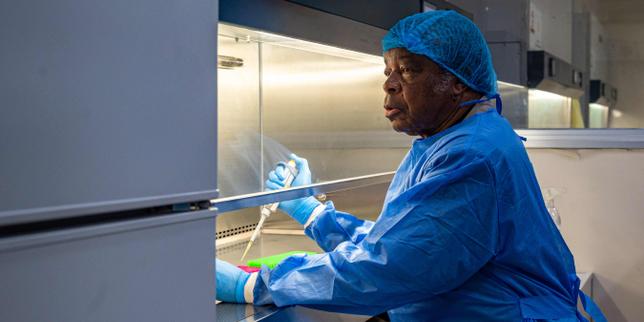
When a scientist who stood face-to-face with the very first Ebola outbreak in 1976 sounds the alarm, you listen. Professor Jean-Jacques Muyembe has spent decades tracking lethal hemorrhagic fevers across the Democratic Republic of Congo. He co-discovered the virus at Yambuku, managed the terrifying urban spread in Kikwit, and developed foundational response strategies used globally today.
So when he notes that the virus is spreading at a velocity never witnessed before. In similar developments, read about: What Pet Owners Miss About Contaminated Land And Toxic Sludge Exposure.
The Reality Behind the New Transmission Speeds
We tend to think of localized outbreaks as isolated events tucked away in dense equatorial forests. That worldview is dangerously outdated. Modern mobility changes everything. Regional infrastructure projects, increased commercial travel, and dense population centers create expressways for pathogens.
When a viral outbreak hits a busy trading hub or a poorly monitored transit route, the math changes instantly. Traditional containment protocols—built on slow reporting loops and paper-based tracking—cannot keep up with motorcycle taxis and cross-border commuter traffic. National Institutes of Health has analyzed this fascinating topic in extensive detail.
If you look at historical outbreaks, containment relied heavily on geographic isolation. Today, dense human mobility acts as an invisible multiplier. A single infected individual can travel hundreds of kilometers before showing severe symptoms, shifting the epicenter of a crisis overnight.
Why Speed Changes the Entire Response Playbook
Speed alters every variable in public health management. When transmission outpaces contact tracing, medical teams are forced to play a permanent game of catch-up.
- Active surveillance must pivot to real-time digital tracking.
- Treatment centers need immediate pre-positioning rather than reactive deployment.
- Community engagement has to outrun local rumors and panic.
Muyembe has long emphasized that science alone won't stop an epidemic if trust is broken. During past crises, local burial customs and fear of isolation units often drove transmission underground. Modern medical response requires absolute transparency. People need to know that treatment centers are places of recovery, not final destinations. Thanks to decades of research—including the development of monoclonal antibody treatments like mAb114, which Muyembe helped inspire—Ebola transitioned from a guaranteed death sentence into a manageable, treatable illness when caught early.
What Needs to Happen Right Now
Waiting for international aid packages to clear bureaucratic hurdles is a luxury we don't have. Local health authorities must maintain absolute vigilance at every level of the healthcare chain.
If you are tracking public health developments or working in affected regions, the focus must remain simple: isolate suspected cases immediately, secure protective gear for frontline workers, and trace every single point of contact before the chain of infection multiplies.
Complacency remains the deadliest vector of all. Listen to the warning signs, respect the speed of modern transmission, and back local scientific leadership before a regional emergency turns into a global catastrophe.