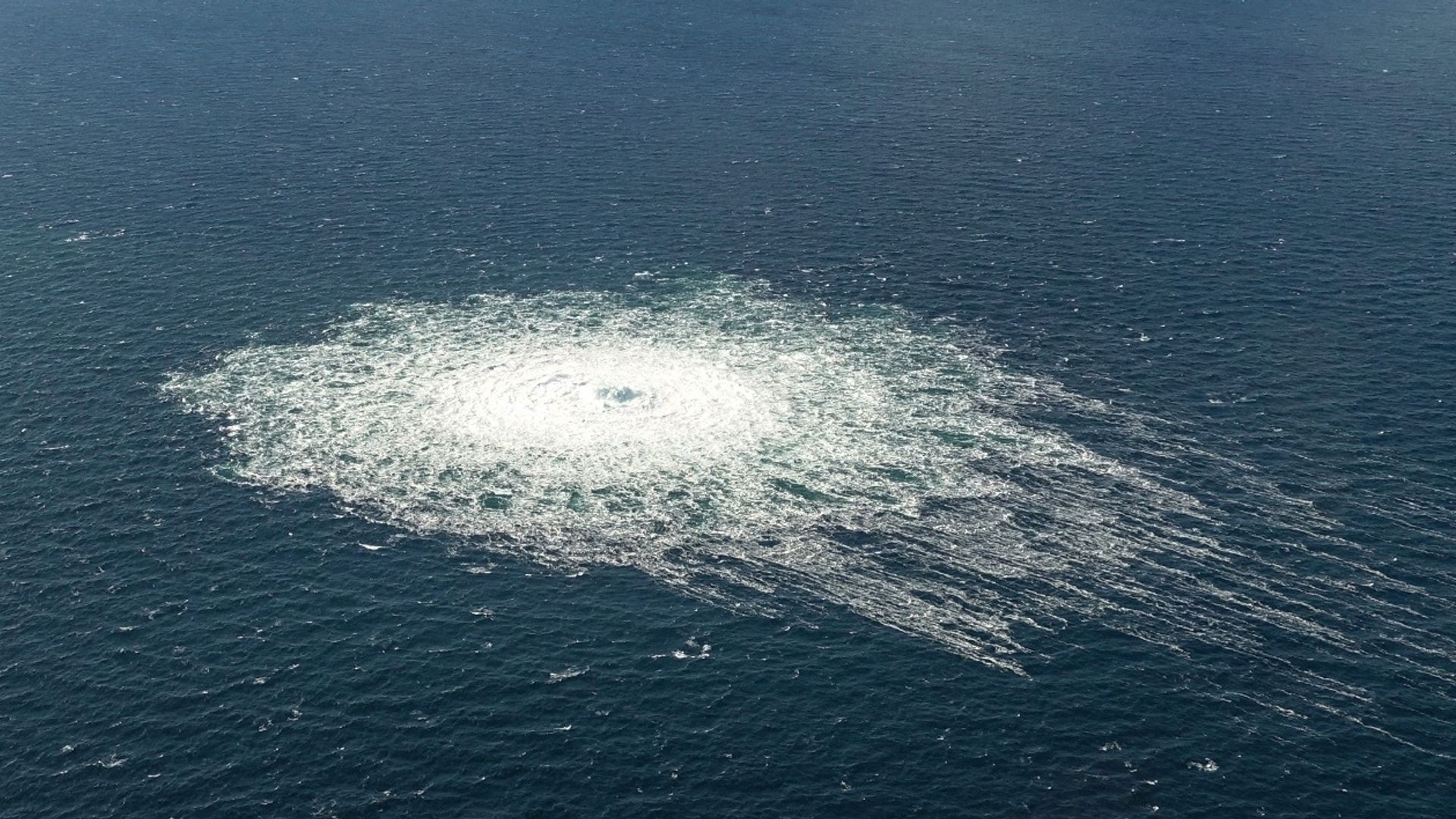
The mystery surrounding the 2022 Nord Stream pipeline blasts just got a lot harder to ignore. German authorities have finally secured the arrest of a second Ukrainian suspect, this time in the coastal Croatian city of Pula. If you’ve been following the saga of the underwater explosions that crippled Europe’s energy infrastructure, you know the narrative has been messy, filled with rumors, and dominated by geopolitical finger-pointing. Now, we’re seeing a clearer picture emerge from the fog of war.
The suspect, identified as a trained scuba diver named Vladimir Z., was nabbed on a European arrest warrant. This isn't just another random detainee. He’s explicitly accused of being a key member of the team that allegedly planted explosives on both Nord Stream 1 and Nord Stream 2. With this arrest, Germany is signaling that their investigation isn’t just active—it’s hitting home. Building on this idea, you can find more in: Why Calling Everyone A Communist Is A Failing Political Strategy.
The Hunt for the Divers
Let’s be honest, the idea of a small, ragtag team of divers taking out multi-billion dollar industrial infrastructure sounds like something from a spy novel. Yet, that’s exactly what the German federal prosecutor’s office has been building a case around. Vladimir Z. isn't a newcomer to this legal drama. He was previously detained in Poland last year, but walked free because Polish courts weren't convinced by the extradition request.
He clearly thought he had slipped the net. It turns out, that assumption was a mistake. Analysts at The New York Times have also weighed in on this trend.
His arrest follows the detention of another primary suspect, Serhii K., who was picked up in Italy back in 2025. Serhii K. is already in German custody, awaiting trial in Hamburg. The prosecutors allege he was the mastermind, leading a seven-person crew that included divers, a medic, and a captain. They supposedly chartered the Andromeda—a sailing yacht—from a German firm using forged identification papers.
Think about the sheer audacity. They rented a civilian boat, sailed out into the Baltic, and executed a precision demolition job on some of the most critical energy assets in the world. Whether you believe the state-actor theories or the rogue-operator angle, the logistical reality of what the German investigators are describing is chillingly effective.
Why This Matters Now
For years, we’ve heard endless speculation. Was it Russia? Was it the United States? Was it a rogue Ukrainian operation? The blame game was the only thing people seemed to agree on. Russia, for its part, has consistently pointed fingers at the West, labeling the entire thing a Western sabotage mission designed to kneecap European reliance on Russian gas.
But as the evidence piles up, the "rogue Ukrainian group" theory is moving from the fringes to the center of the courtroom. The prosecutors claim these individuals were acting on behalf of Ukrainian state entities. If the upcoming trial of Serhii K. and the eventually extradited Vladimir Z. holds up, it will create a massive diplomatic headache for Kyiv.
It’s worth looking at the timing. We are in 2026. The war in Ukraine has reshaped global alliances, and the Nord Stream explosions were a turning point in how Europe approached energy security. Germany, once deeply tethered to Russian supply lines, was forced into a cold turkey transition. These arrests aren't just about criminal justice; they’re about closing the book on an event that fundamentally changed the continent’s economic path.
The Reality of the Investigation
If you’re wondering why this is moving so slowly, you clearly haven’t tried to conduct a forensic investigation on a seabed hundreds of feet underwater. The Baltic is deep, dark, and unforgiving. Gathering evidence from wrecked, massive steel pipes that have been subjected to high-pressure explosions is a technical nightmare.
The legal hurdles are just as bad. Dealing with European arrest warrants across different jurisdictions—Poland, Italy, Croatia, Germany—is slow and painful. The fact that the suspect was caught in Croatia after slipping through the Polish system shows exactly how difficult it is to coordinate international law enforcement when the stakes are this high.
What Comes Next
We are entering a new phase. With two key suspects behind bars, Germany is preparing to air its case in public. The trial in Hamburg will be the real test. We aren't just looking for convictions; we are looking for the truth about who authorized the mission and what the ultimate chain of command looked like.
If you want to keep tabs on this, watch the extradition proceedings from Croatia closely. Don't look for flashy headlines. Look for the technical details released by the federal court in Karlsruhe. That’s where the actual story is being written.
Stop waiting for a clean, definitive answer from politicians. The truth, as it usually does, is going to come out in the slow, grinding machinery of the legal system. The divers are being caught, the yacht’s logs are being verified, and the trial is approaching. That’s where the answers are. Stay focused on the court documents. That’s how you’ll know what really happened in the Baltic.

.png?width=1200&auto=webp&trim=0%2C0%2C0%2C0)
