Geopolitical rhetoric in the Middle East has reached a dangerous new crescendo. When top Iranian officials start posting warnings about the "depths of hell" on social media while surface-to-air missiles fly across regional airspaces, nobody should treat it as mere posturing. You need to look past the dramatic headlines to understand what is shifting on the ground.
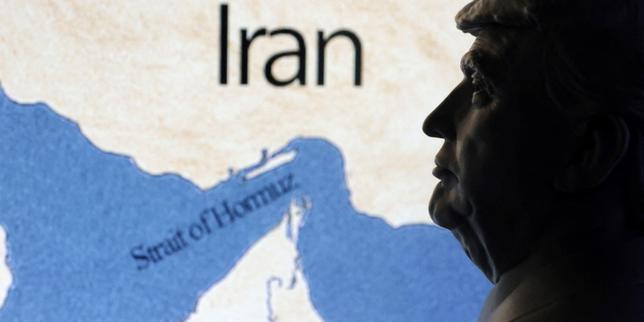
The immediate catalyst for this latest flare-up centers around the Strait of Hormuz. US President Donald Trump announced a massive wave of strikes targeting Iranian positions near this critical global shipping chokepoint. Washington framed the action as a direct response to attempted sea-mine deployments and incoming missile attacks directed at American bases in Jordan. Tehran, however, responded by claiming responsibility for counter-strikes across multiple host nations, including the UAE, Kuwait, Bahrain, and the Erbil region in Iraq.
Decoding The New Iranian Playbook
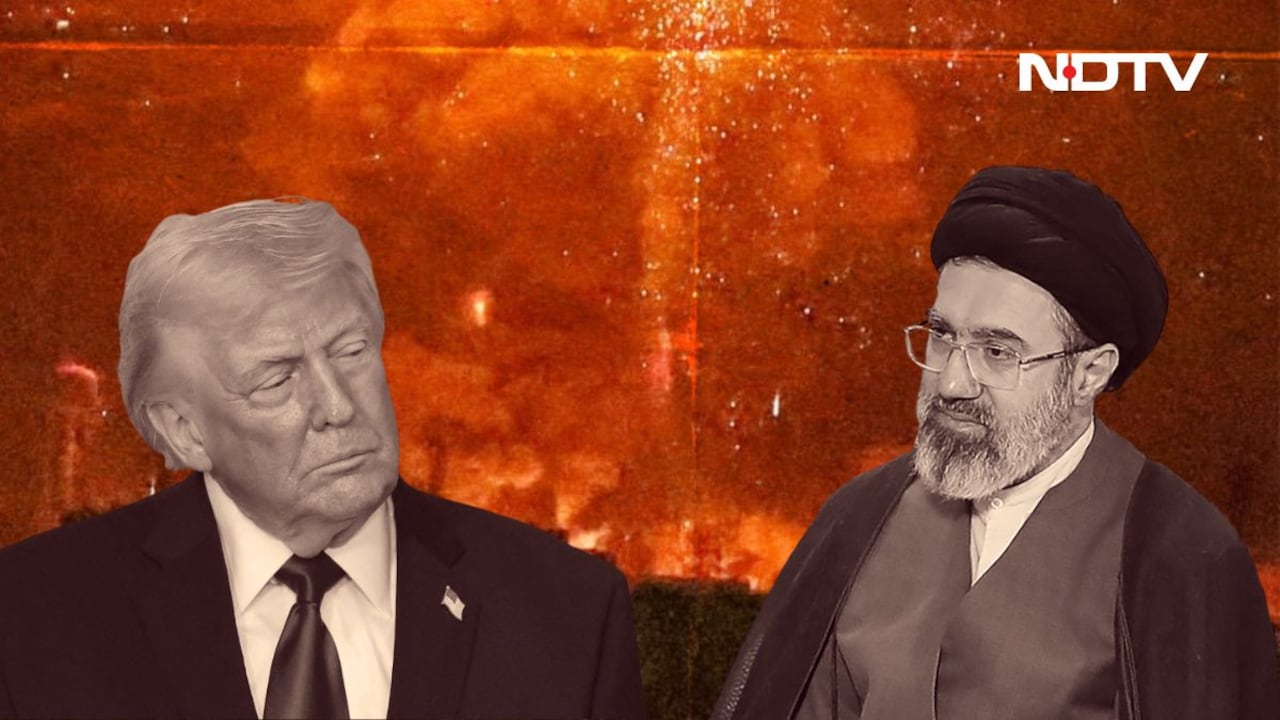
Mohsen Rezaei, secretary of Iran's Supreme National Security Council, made it clear that Tehran is shifting its operational stance. He warned that traditional deterrence frameworks are breaking down.
What does this mean in practice? For years, proxy warfare and asymmetric skirmishes defined the baseline of US-Iran confrontations. Now, both sides are moving into a much more direct, unpredictable phase of kinetic engagement. Tehran's stated pivot involves combining military retaliation with economic defiance and diplomatic maneuvers meant to fracture regional coalitions.
When a nation tells a global superpower that its foundational security will shatter, it points toward asymmetric tactics designed to bleed out adversaries over time rather than fighting a brief, conventional war. Think maritime disruptions, persistent cyber probes, and pressure campaigns targeting local host governments that permit US military footprints on their soil.
The Real Danger In The Strait Of Hormuz
The Strait of Hormuz is not just another body of water. A massive share of the world's petroleum supply moves through this narrow corridor every single day. Whenever naval tensions spike here, global energy markets react violently.
The US military relies heavily on regional hubs to project power and protect commercial shipping lanes. But those very hubs make sitting ducks out of installations across Jordan, Kuwait, and Bahrain. When Iran claims it hit targets across multiple countries in self-defense, it signals a regionalization of the conflict. Neighboring states are caught squarely in the crossfire, desperate to avoid becoming launchpads for American strikes while trying to appease an enraged Washington.
Why This Conflict Won't Fizzle Out Quickly
Many casual observers assume these flashpoints burn hot and cool down just as fast. History suggests otherwise. Intelligence assessments and remarks from Washington insiders indicate that this standoff could grind on for years, testing the endurance of military supply chains and economic stability worldwide.
You cannot simply bomb away an entrenched strategic doctrine. Iran has spent decades preparing for deep economic isolation and direct military pressure. Sanctions haven't broken their resolve; instead, they have forced a reorganization of military priorities.
Look at the bigger picture. Every time a retaliatory strike hits a base or an oil tanker, the threshold for future escalation drops. Diplomacy takes a back seat while military planners draft wider contingencies.
Pay attention to what regional governments do next, not just what they say in press briefings. The real story isn't the fiery rhetoric on social media. It's the slow, permanent transformation of Middle Eastern security dynamics into a state of permanent, low-burn crisis.