Climate injustice isn't just a buzzword in the Himalayas right now. It's an active catastrophe with a staggering body count and a shattered economic backbone.
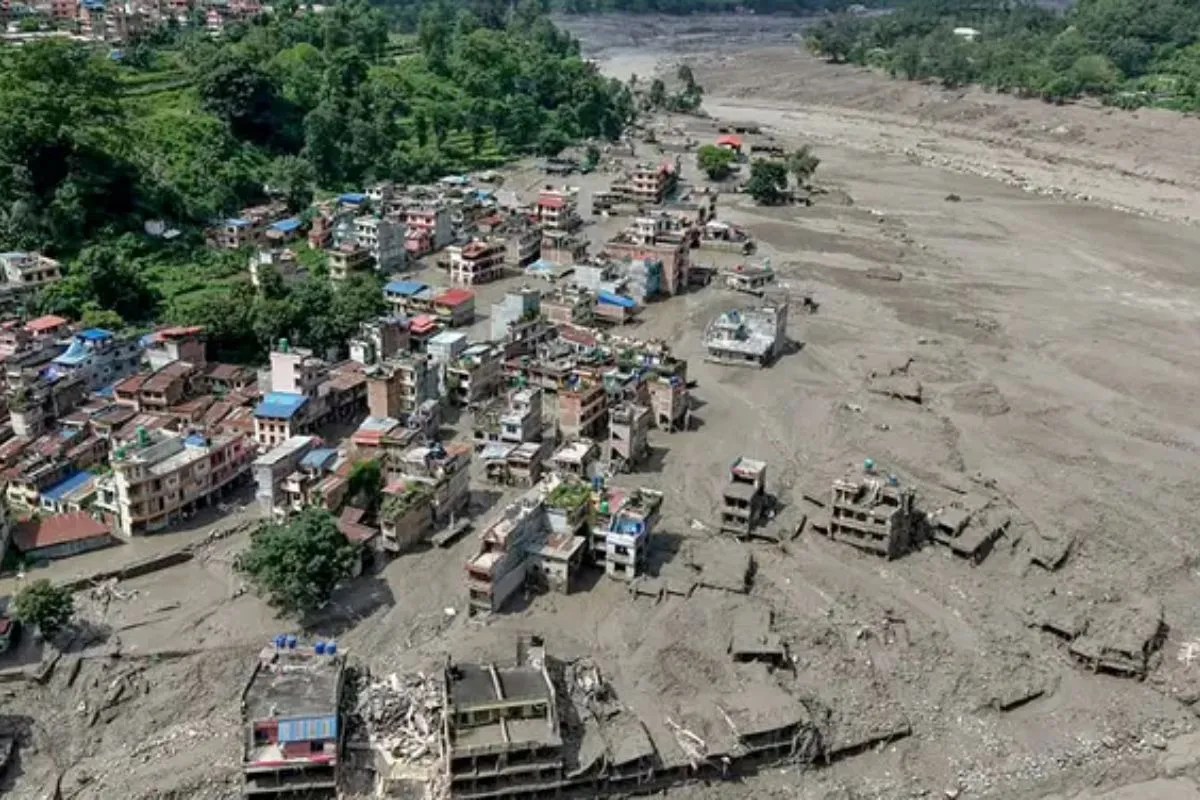
When flash floods tore through the Bhotekoshi River basin, the human and infrastructural destruction stunned even seasoned disaster management experts. Nepal's Minister for Culture, Tourism, and Civil Aviation, Khadga Raj Poudel, laid bare a brutal reality that global superpowers prefer to ignore. Nepal contributes virtually nothing to global carbon emissions or glacier destabilization, yet it absorbs the most lethal blows of planetary warming.
The numbers are terrifying. Over 1,100 people have lost their lives, nearly 4,000 remain missing, and the tourism industry alone faces losses exceeding 50 billion Nepali rupees.
The Scale of Destruction Beyond the Numbers
You can't summarize a national disaster with just a casualty count. The Bhotekoshi flash flood didn't just wash away dirt and rock. It obliterated 142 hotels, 57 restaurants, and 141 tourist vehicles across prime expedition and trekking corridors.
Major trekking routes including Langtang, Gosainkunda, Parvatikunda, and Nathali have been rendered entirely impassable. Thousands of locals whose livelihoods depend on seasonal trekking groups now face absolute financial ruin. Cultural heritage sites, ancient monasteries, and community centers have vanished beneath tons of mud and debris.
Government response teams report that in many remote pockets, bodies cannot even be recovered. Funerary rituals are being performed using Kush—sacred grass substitutes—because rivers have swept away all traces of the victims.
Why Global Climate Politics Are Failing Nepal
Minister Poudel’s pointed remarks highlight an uncomfortable truth about international climate finance. Developing Himalayan nations are told to adapt, build resilient infrastructure, and protect fragile ecosystems. But funding moves at a snail's pace while glaciers melt at record-breaking speeds.
China has already issued fresh warnings regarding potential upstream glacier bursts and impending flash flood risks in border zones. Nepal sits downstream as an involuntary victim of geological typography and global industrial pollution.
Without advanced early-warning systems, satellite-based monitoring, and heavy financial reparations from industrial nations, Himalayan communities remain sitting ducks.
Rebuilding Tourism From the Ashes
How do you revive an industry when the physical trails no longer exist? That's the billion-dollar question facing Kathmandu today.
The government is shifting gears. Officials are actively scouting alternative trekking routes to bypass destroyed valleys. There are even proposals to designate certain heavily scarred zones as open-air climate heritage sites. The vision involves building specialized museums, memorial parks, and research centers to document climate collapse for future generations.
Meanwhile, private enterprise stepped into the vacuum when state resources were stretched thin. Domestic airlines and helicopter operators scrambled to execute perilous rescue missions in zero-visibility conditions. Hoteliers in Kathmandu, Pokhara, and Chitwan opened their doors, offering completely free lodging and meals to displaced families and stranded international travelers.
What Needs to Happen Right Now
If you are planning to travel to Nepal or support regional relief efforts, you need to look past the generic headlines.
- Verify Your Routes: Never attempt independent treks in northern river basins without checking real-time updates from local mountain guides. Traditional maps of Langtang and Bhotekoshi are obsolete.
- Support Local Operators: Direct your tourism dollars toward local agencies and independent lodge owners who lost everything, rather than large foreign conglomerates.
- Demand Tech Transfers: International advocacy must focus on forcing wealthy nations to fund automated radar-based early-warning systems along glacial lakes.
Nepal didn't build the factories choking the atmosphere. But until the world takes real accountability, the mountains will keep exacting a brutal toll on people who had no hand in the crisis.