Twenty miles of water decide if your next fill-up costs double. Tehran knows this. Washington knows this. And the Islamic Revolutionary Guard Corps isn't bluffing about a long haul.
When Hossein Mohebi stepped in front of Al-Alam cameras to reassert permanent readiness, casual observers called it standard regional theater. It isn't. When a naval asymmetric force closes a chokepoint carrying roughly a fifth of global petroleum liquids and keeps it contested past seasonal ceasefire windows, traditional carrier diplomacy hits a physical wall. Don't miss our recent coverage on this related article.
The Math Washington Hates
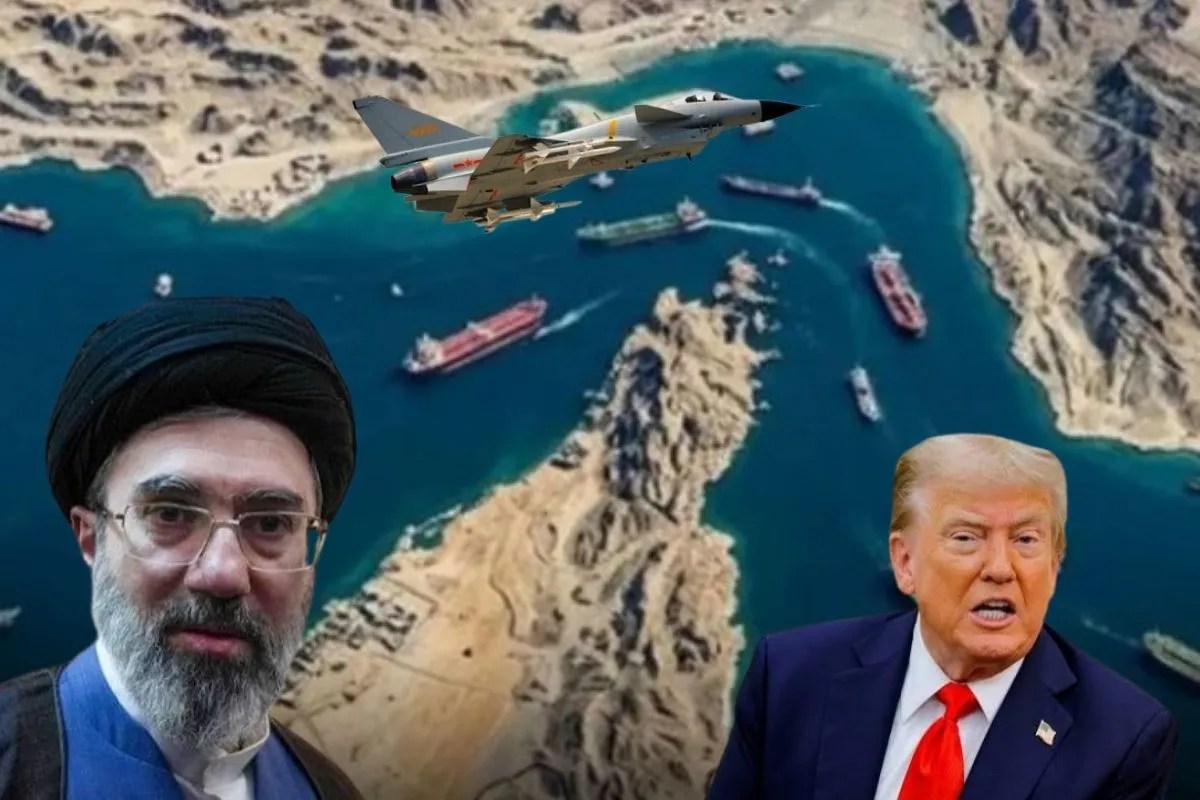
You can’t park a supercarrier inside a shallow shipping lane. That basic geographic constraint governs every calculation in the Persian Gulf.
- Width of the Strait of Hormuz at its narrowest navigable traffic separation scheme: roughly 2 miles inbound, 2 miles outbound.
- Global petroleum volume passing through daily under normal baseline flows: ~20 million barrels.
- Effective response time for Aegis Combat Systems against fast-attack swarm craft and coastal anti-ship cruise missile (ASCM) batteries embedded in Qeshm Island caves: seconds, not minutes.
Standard defense analysis treats Hormuz like a highway with a toll booth problem. It's actually a multi-tiered attrition grid. IRGC naval doctrine doesn't seek blue-water dominance. It converts geography into denial currency. Every week the strait stays restricted or jittery, shipping insurance multipliers spike, VLCC (Very Large Crude Carrier) spot rates jump, and Asian refiners scramble for sour-to-sweet grade swaps out of West Africa or the US Gulf Coast. To read more about the background here, Al Jazeera provides an informative breakdown.
Why February 2026 Broke The Playbook
The escalation arc didn't start with speeches. Strikes hit Iranian infrastructure on February 28, 2026. Conventional deterrence assumed a neat escalation ladder: proportional kinetic response, diplomatic back-channel cooling, maritime patrols restoring normal throughput.
Instead, Tehran compressed the retaliation cycle and kept regional proxy networks humming from Yemen to the Levantine edges. When naval blockades or localized airstrikes tried to force open clean transit corridors, asymmetric saturation kept risk premiums high.
Mohebi’s recent posturing points to a structural shift. Iran isn't waiting for a grand diplomatic grand bargain. They are institutionalizing friction as a permanent economic tax on Western-led maritime security architectures.
What People Get Wrong About Energy Chokepoints
Most commentary assumes a binary outcome: either the US Navy blows up every coastal launcher, or trade chokes completely. Reality is messier.
- Gray-zone leakage: Ships still move, transponders go dark, flags of convenience shuffle, and insurance pools charge punitive risk surcharges.
- Inventory buffer illusion: Strategic Petroleum Reserve releases buy weeks, not structural quarters, when refining margins and middle-distillate cracks tighten globally.
- Asian diplomacy bypass: India, China, and regional energy importers negotiate localized de-escalation channels, diluting unilateral Western enforcement unity.
If you run supply chain risk analysis for manufacturing, logistics, or energy hedging, treating this as a temporary headline generator is a firing offense. Watch the Brent-Dubai EFS (Exchange for Physical) spreads and Gulf war-risk insurance quotes, not press briefings.
Actionable Next Steps For Risk Managers
- Stress-test freight baselines: Model a 45-day complete Persian Gulf VLCC routing disruption with Cape of Good Hope re-routing factored into transit lead times.
- Audit bunker fuel exposure: Lock in fixed-price forward bunker agreements if your maritime fleet relies on middle-east compliant blending components.
- Diversify feedstock origins: Move spot procurement trigger thresholds away from single-source Hormuz-dependent condensate streams by Q3.
The threat isn't Armageddon. It's an expensive, grinding choke that turns global trade into a monthly tax bill nobody voted for.