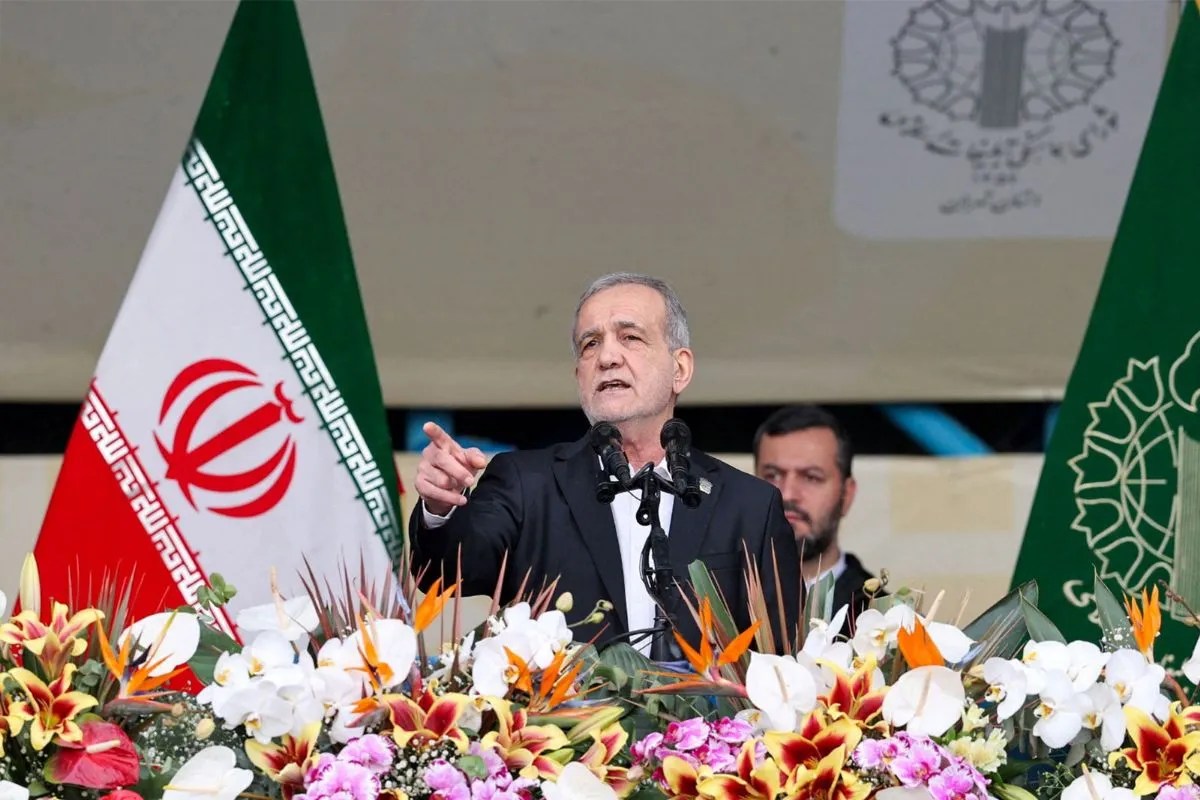
Foreign policy shifts rarely happen with a clean slate. When Iranian President Masoud Pezeshkian recently signaled a cautious willingness to engage in diplomatic talks with the United States, it didn't mean decades of deep-seated hostility vanished overnight. Instead, it exposed a complex web of economic pressure, strategic posturing, and deep skepticism in Tehran.
If you've been following Washington's maneuvers or tracking regional flashpoints, you know that headlines about "peace talks" often mask a much heavier reality. Donald Trump’s administration has kept the pressure high, rolling out heavy economic sanctions meant to squeeze Tehran into submission. Yet, despite the ongoing economic strain and military posturing, Pezeshkian's recent interview responses reveal a window for engagement—provided Washington plays fair.
The Catch Behind Tehran's Willingness to Talk
Pezeshkian made it clear during a television interview that Iran is ready to step back to the diplomatic table, but under strict conditions. He emphasized that any movement toward reviving prior frameworks depends entirely on reciprocal actions from the American side. If Washington wants Tehran to uphold its end of past understandings, the US has to deliver matching, fair steps.
This isn't unconditional surrender. It's transactional diplomacy driven by survival. Tehran wants relief from the intense economic sanctions strangling its markets, but nobody in Iran's leadership wants to look weak on the global stage. Iranian Foreign Ministry spokesperson Esmaeil Baghaei reinforced this stance publicly, stating flat out that Tehran didn't start the current military escalation and refusing to end the conflict under an aggressor's unilateral terms.
Why the US Strategy Faces Massive Hurdles
Washington's current playbook relies heavily on maximum pressure. The idea is simple: choke off economic lifelines until the opposing government caves. But in practice, geopolitical adversaries rarely fold just because a new set of financial restrictions drops.
When you look at the mechanics of US-Iran negotiations, trust is the missing currency. Tehran remembers past withdrawals from international agreements. Because of that historical precedent, Pezeshkian and his administration remain intensely wary. They aren't looking for vague promises. They want ironclad guarantees that the other side won't rip up any new framework the moment political winds shift in Washington.
What Happens Next in West Asia
The reality on the ground is volatile. While diplomatic channels remain technically open or at least theoretically possible, military readiness across the region hasn't dropped. Regional actors like Israel and various proxy networks are watching every move.
The real question isn't whether Iran will pick up the phone. It's whether both capitals can bridge an enormous trust gap without demanding total capitulation from the other. Right now, neither side is willing to blink first, leaving the door to actual peace narrow, guarded, and extremely fragile.