The European Union just handed its most prestigious human rights accolade to the International Criminal Court. That choice isn't just a nod to legal paperwork. It's a loud, deliberate message thrown right back at Washington and other global powers trying to clip the court's wings.
Right now, the ICC faces immense pressure. United States sanctions, hostile political campaigns, and constant threats from international actors have tried to suffocate its mandate. Handing over the Sakharov Prize for Freedom of Thought changes the diplomatic atmosphere. It signals that Brussels is willing to plant a flag and defend international jurisprudence, even when it triggers diplomatic fireworks with old allies.
The High Stakes Behind the Sakharov Prize
Let's look at what this award actually means on the ground. Named after Soviet dissident Andrei Sakharov, the prize honors individuals and organizations fighting for fundamental freedoms. Past recipients include Nelson Mandela, Malala Yousafzai, and the democratic opposition of Belarus. Putting the ICC on that list elevates the court from a bureaucratic tribunal in The Hague to a frontline defender of global liberty.
You have to understand the timing. This recognition arrives while the court deals with unprecedented retaliation. When the ICC investigates war crimes or issues arrest warrants that touch powerful nations, the pushback is immediate. Assets get frozen, travel bans get floated, and officials face personal threats.
Brussels saw that onslaught and doubled down. By awarding the prize to the court, European leaders are telling critics that international law isn't optional just because it becomes inconvenient for superpowers.
Pushing Back Against Washington
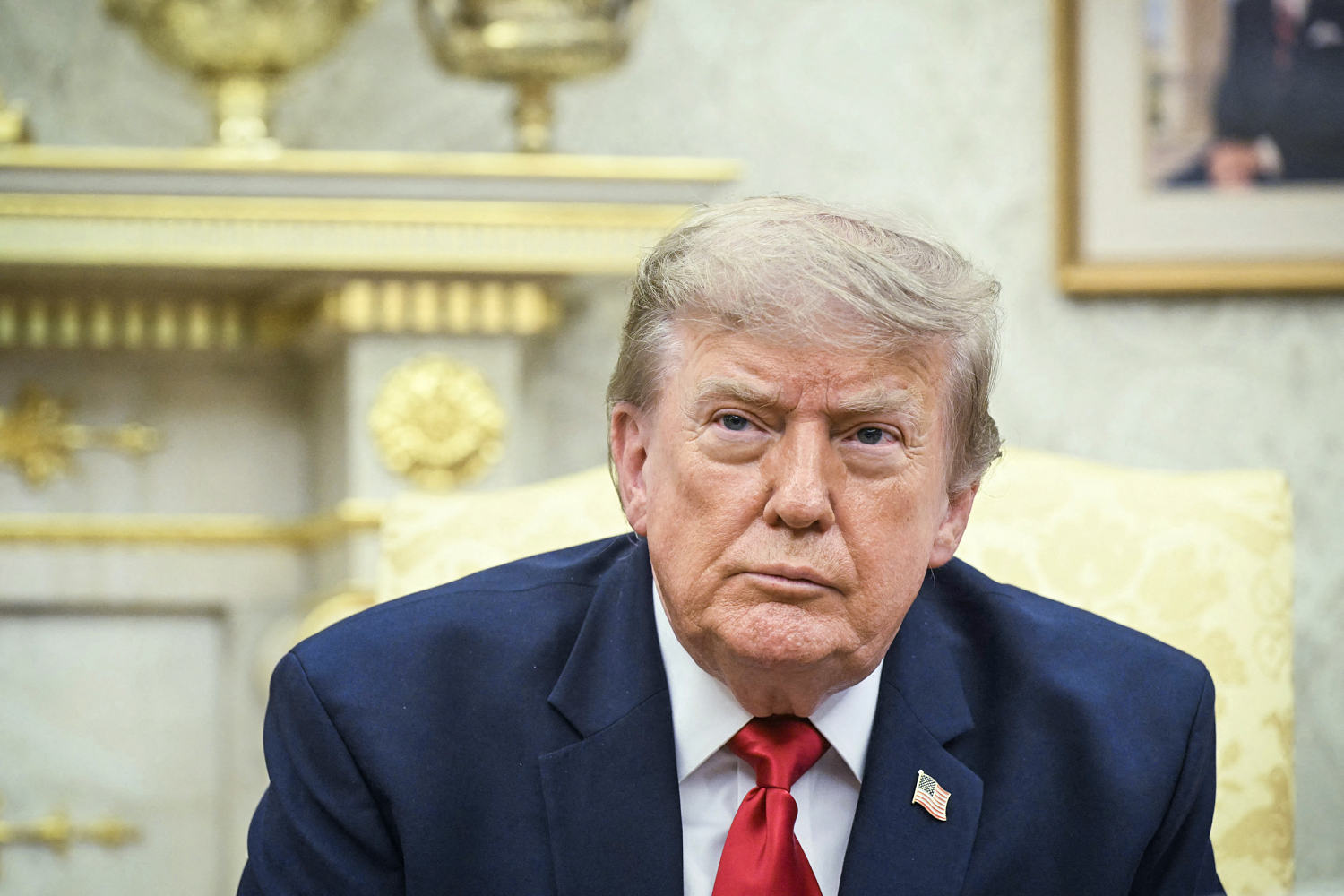
The relationship between the ICC and the United States has always been rocky. Washington never signed the Rome Statute, and recent years brought severe economic penalties and visa restrictions targeting court personnel. American leaders argued that the ICC has no jurisdiction over citizens of countries that didn't sign the treaty.
The court views things differently. When atrocities happen on the territory of a state that did accept the court's jurisdiction, the prosecutors step in. They don't check passports before launching an investigation.
This tension creates a messy geopolitical reality. European nations find themselves caught between their security alliances with the United States and their stated commitment to a rules-based international order. Handing the Sakharov Prize to the court shows that at least on the level of values, Europe is picking the court.
What the Critics Miss
If you listen to the detractors, the ICC is slow, biased, or toothless. They point out that gathering evidence in active war zones takes years. They complain that without a standing police force, the court relies entirely on member states to execute arrest warrants.
Those criticisms are technically true, but they miss the core point. The ICC was never designed to be a rapid-response military unit. It's a court of last resort. It steps in only when domestic legal systems collapse or refuse to act.
Think of it as a long game. Accountability doesn't happen overnight. Dictators and war criminals usually spend years feeling untouchable before justice catches up. The court's value lies in its persistence. Warrants don't expire. Indictments turn powerful leaders into international pariahs who cannot travel without risking arrest.
Why This Matters Right Now
We live in a moment where international institutions look fragile. Global norms against aggression and war crimes are taking heavy hits across multiple continents. When impunity becomes the default setting for powerful actors, smaller nations and vulnerable populations pay the price.
The EU's decision injects political capital back into the system. It gives prosecutors and judges the institutional backing they need to withstand foreign intimidation.
If you want to track where global diplomacy is heading, watch how member states respond to these sanctions. Supporting an international court sounds noble in a speech, but it gets complicated when trade deals and security pacts enter the room.
The court will keep moving forward, regardless of the political weather in Washington or Moscow. The Sakharov Prize makes it much harder for European capitals to look away when those pressures mount. Justice moves slowly, but sometimes it gets a very loud megaphone.