Feeding millions of schoolkids sounds like a noble political promise. When reality hits the lunch tray, however, the results can be catastrophic.
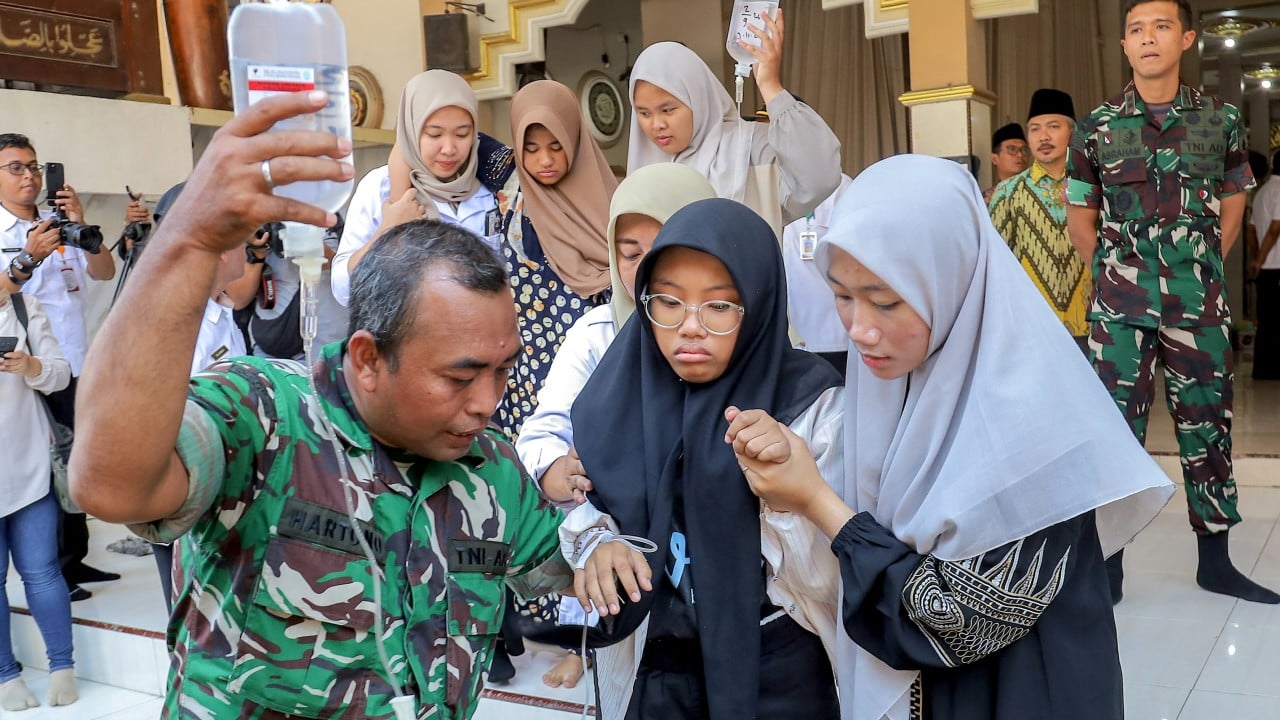
President Prabowo Subianto's massive state-backed free meal initiative in Indonesia was designed to combat childhood stunting and lift up low-income families. Instead, thousands of children and teachers across Java, Sumatra, and Papua have repeatedly fallen violently ill after eating the government-supplied lunches. Vomiting, severe diarrhea, and mass hospitalizations have marred a multi-billion dollar agenda meant to secure a healthier future for the nation's youth.
Authorities have scrambled to fix the crisis. The National Nutrition Agency introduced a strict "four-hour rule," mandating that meals must be consumed within four hours of cooking. They've also banned students from taking leftovers home. Yet, critics and health policy analysts point out a glaring truth: slapping expiration labels on boxes doesn't solve a broken supply chain.
The Logistics Nightmare Behind Mass School Lunches
Cooking warm meals for millions of students daily requires an industrial machine with zero room for error. Right now, that machine is sputtering.
In many documented cases, kitchens prepare food hours ahead of schedule, sometimes cooking late at night only for the boxes to sit in sweltering heat before reaching classrooms the next morning. When you combine tropical humidity, massive volume, and decentralized local kitchens, food safety protocols break down fast.
Watchdog groups and health analysts argue that bureaucrats in Jakarta are treating a structural operational crisis like a minor labeling issue. Telling a classroom of hungry children to check a timestamp on a container of chicken or eggs ignores the reality on the ground. If the food spoils en route, a printed label won't save anyone from food poisoning.
When Good Intentions Meet Poor Oversight
Political leaders have tried to downplay the outbreaks. Officials often point out that the number of poisoning cases represents a tiny fraction of the total meals served nationwide. But that statistical defense offers little comfort to parents whose kids end up on intravenous drips in local hospitals.
The pressure is mounting on the National Nutrition Agency and its leadership to move past superficial fixes. Citizens aren't just seeing abstract numbers; they're seeing real accounts of ruined meals, inadequate hygiene in local preparation units, and a lack of clear accountability when kitchens fail. Protests and public backlash have shown that families expect competence, not just grand policy visions.
Fixing this crisis demands radical transparency and operational overhauls. Local kitchens need rigorous cold-chain storage, real-time quality checks, and immediate shut down protocols for non-compliant suppliers. Until the government tackles the root causes of contamination instead of just managing public relations, students will remain at risk every single time the lunch bell rings.
School meals sicken thousands of Indonesian students
This video highlights the ongoing public outcry and scale of the student food poisoning incidents linked to Indonesia's signature nutrition initiative.