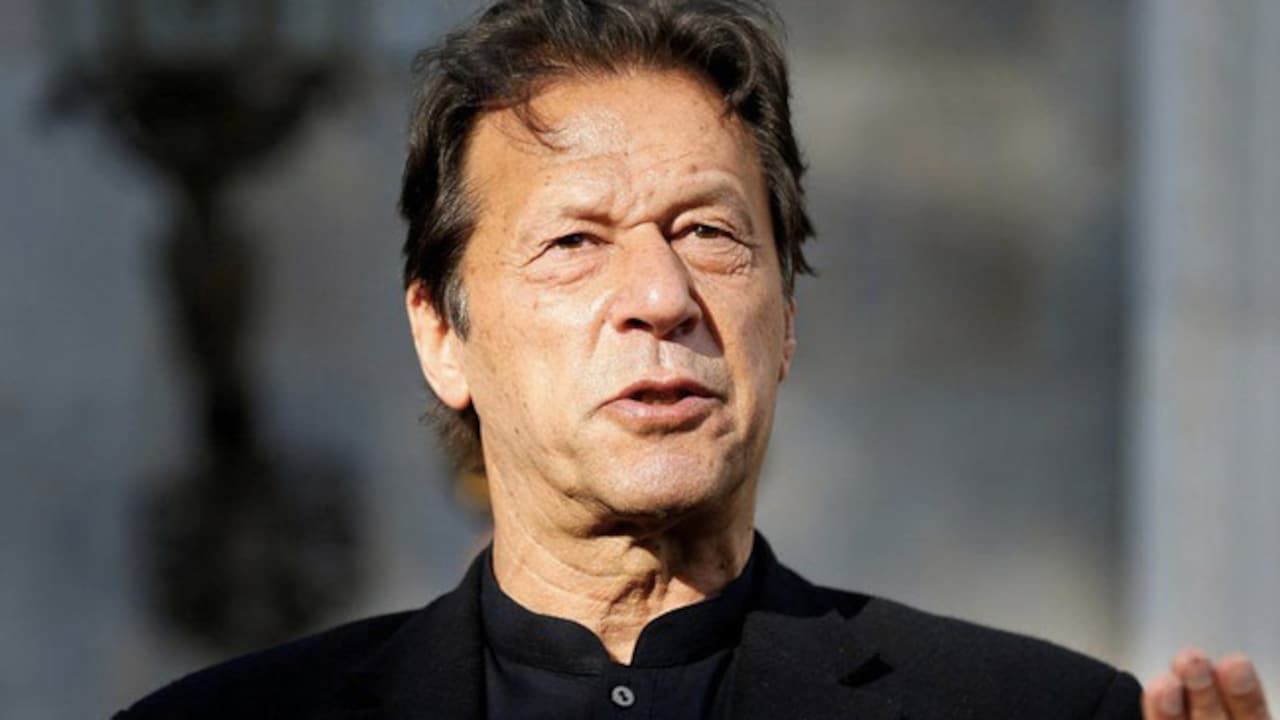
The political stalemate in Pakistan just took a bizarre turn. For years, former Prime Minister Imran Khan and the country’s powerful military establishment have been locked in a bitter, high-stakes battle. It’s been ugly. It’s been public. And until yesterday, it looked like it would only end with one side completely breaking the other.
Then came Zulfikar Bukhari, a top aide to Khan, signaling something totally unexpected. He suggested that if Khan were released from prison, he wouldn't necessarily pick a fight with the military establishment or current army chief Asim Munir. In fact, he floated the idea of a "healing hand." You might also find this connected article interesting: Why Europe Is Caught Between Violent Storms And Unstoppable Wildfires.
If you’ve been following the chaos in Islamabad, you know this is a huge departure from the norm. Khan has previously called Munir "mentally unstable" and a "tyrannical dictator." His supporters have taken to the streets to protest against the establishment with a level of intensity we haven't seen in decades. So, why the sudden pivot?
The Court Room as a De-escalation Zone
The immediate trigger for this change in tone is the recent Supreme Court order. The court directed authorities to transfer the 73-year-old former cricket star from his prison cell to a private hospital for urgent medical care. As highlighted in latest coverage by Reuters, the results are worth noting.
To many observers, this isn't just about healthcare. It’s a classic Pakistani political maneuver. The court’s decision provides a face-saving exit for both sides
What Most People Get Wrong About Imran Khan and Military Politics
news
Political dynamics in Pakistan rarely stand still, and the recent signals coming from imprisoned former Prime Minister Imran Khan's camp have caught many observers off guard. When an influential political figure hints at a potential thaw in relations with the country's powerful military establishment, the ripple effects touch every corner of the political sphere. You might think this represents a complete surrender or a desperate strategic pivot, but the reality on the ground is far more nuanced.
Let us look at how these developments actually unfold. Reports highlighting a shift in tone from Khan's inner circle suggest a calculated attempt to break the prolonged deadlock. For months, the standoff between Khan's Pakistan Tehreek-e-Insaf party and the military leadership has dominated headlines, creating a high-stakes game of political chicken. Analysts following these events closely note that both sides face mounting pressure to find some common ground, especially as economic challenges persist and public frustration grows.
Why does this matter right now? Because governance in Pakistan cannot function smoothly when the most popular political faction remains at loggerheads with the military establishment. Khan's allies understand that absolute confrontation yields diminishing returns over time. At the same time, the military faces continuous scrutiny regarding political stability and institutional legitimacy.
If you look past the standard political posturing, you will notice a recurring pattern in Pakistani history. Confrontation eventually gives way to behind-the-scenes maneuvering. Whether this current signal of potential reconciliation blossoms into actual dialogue remains entirely uncertain. Public statements from political aides often serve as trial balloons rather than binding policy commitments.
Moving forward, keep a close eye on how the ruling coalition responds to these overtures and whether institutional restrictions on opposition gatherings ease up in the coming weeks. Real change in this landscape happens quietly long before it hits the evening news.