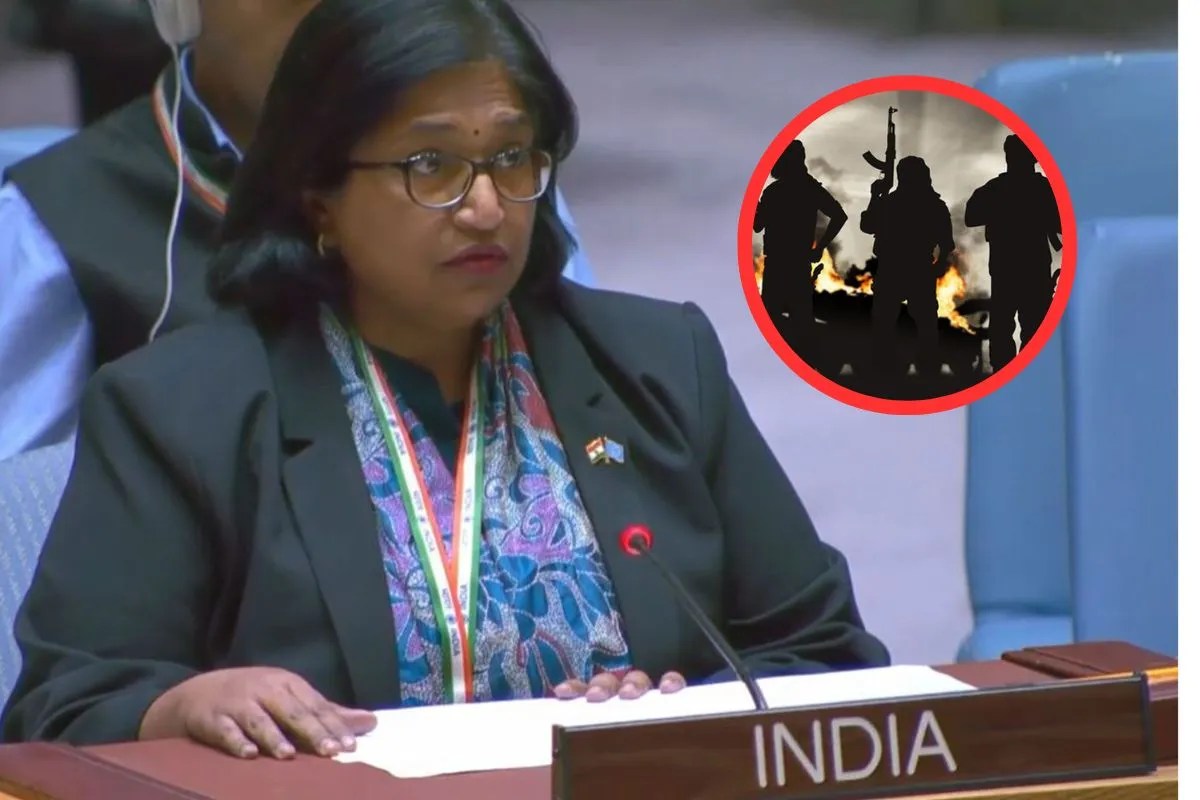
The United Nations Security Council often feels like a theater of polite disagreements. It’s where global powers trade barbs in measured, diplomatic tones while the real problems fester in the background. But India’s recent stance at the UN regarding the delisting of designated terrorists isn't just another routine speech. It’s a clear signal that Delhi is tired of the double standards that have turned counter-terrorism efforts into a political bargaining chip.
Honestly, watching the UNSC struggle to maintain consistency on who gets flagged as a terrorist is exhausting. For years, India has pushed for a rules-based system where evidence, not diplomatic favors, dictates the list. Yet, we repeatedly see proposals to remove known threats from sanction lists, often motivated by nothing more than protecting political allies.
The problem with political shielding
When you allow geopolitical interests to influence the terror designation process, you’re basically sabotaging the entire mechanism. The recent session made it clear that India is no longer willing to sit back and watch this happen. The message delivered by Indian representative Yojana Patel was sharp: the Security Council is not a tool to be used for advancing individual country agendas.
Think about the absurdity here. We have a global body tasked with maintaining international peace, yet it’s frequently paralyzed by the same nations that shelter the very actors destabilizing entire regions. India’s call for transparency and objective criteria isn't just about calling out one neighbor; it’s about fixing a broken system that prioritizes political convenience over actual human safety.
Why this matters right now
You might wonder why this matters in 2026. Because the threats aren't static. Terror networks are evolving, rebranding, and finding new ways to exploit the administrative loopholes of international organizations. When a designated terrorist is suddenly "cleansed" from a list without clear, evidence-based reasoning, it emboldens their handlers. It tells them that the international community is either too weak or too divided to hold them accountable.
India’s push for concrete timelines and mandatory leadership appointments for counter-terrorism committees is a direct attempt to stop this drift. It’s practical, it’s needed, and it’s long overdue. If these committees have empty chairs and no clear mandate, they aren't working. It’s that simple.
Moving beyond the status quo
The broader issue here is that the UNSC structure is a relic of 1945. It’s an aging, inefficient machine trying to solve 21st-century crises. India’s argument that we need an expanded and reformed council—in both permanent and non-permanent categories—is essentially a call for reality to meet policy.
You can’t expect a system designed in a post-WWII world to effectively manage modern asymmetric warfare, where terror groups operate across borders with impunity. If the people providing the boots on the ground for peacekeeping operations—the nations sending their police and soldiers into harm's way—don't have a meaningful voice in the high-level decision-making process, the entire structure loses its legitimacy.
What needs to happen next
If you're looking for where this goes from here, don't expect instant change. But do watch for a shift in how India handles these committees. Expect a more aggressive insistence on evidentiary standards. Expect Delhi to publicly challenge the logic behind every delisting request that lacks a rock-solid justification.
This isn't about grandstanding. It’s about ensuring that international law actually means something. The days of letting political shadows obscure clear evidence are ending, at least as far as Indian diplomacy is concerned. The next step is holding those who block these sanctions accountable—not just in private meetings, but by highlighting the hypocrisy whenever it surfaces on the world stage. It’s time to stop treating terrorism like a negotiable item and start treating it like the absolute threat it remains.