Commercial whaling is dying out, and Iceland is about to deliver one of the final blows. If a new government bill passes as expected, the North Atlantic nation will outlaw the practice entirely. This move leaves just two countries standing on the global commercial whaling stage: Japan and Norway.
For years, watching Iceland wrestle with its whaling quotas has felt like watching a slow-motion car crash. On one side, you have fierce animal rights pressure, ethical concerns, and declining global demand. On the other side sits deep-rooted maritime tradition and political stubbornness. But money and changing public sentiment usually win out in the end. Let us look at what this upcoming policy shift means for marine conservation, international politics, and the future of our oceans. You might also find this related article useful: Why High Profile Security Breaches At Malibu Estates Keep Happening.
The End of an Era in the North Atlantic
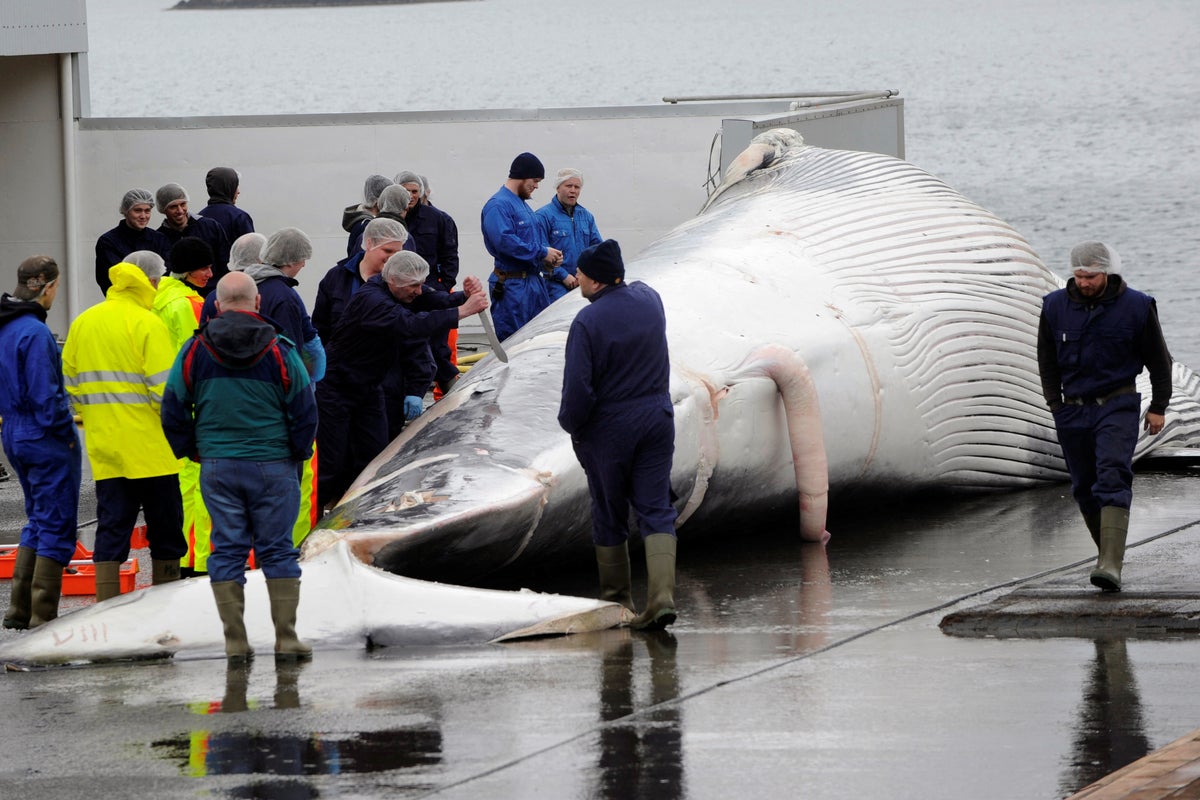
Whaling in Iceland isn't some ancient, untouched cultural heritage. It is a modern industrial enterprise driven almost entirely by export markets, mostly Japan, where fin whale meat is sold. The numbers tell a clear story. The current annual quota allows up to 150 fin whales to be killed during the hunting season running from June to September. Welfare groups like Humane World for Animals note that dozens of animals are slaughtered each season despite mounting public revulsion.
When Iceland's interim government issued a five-year license to its sole remaining whaling company back in 2024, conservationists panicked. It looked like the industry had secured a lifeline. Yet, political tides shift fast. Ministers are now evaluating a permanent ban to modernise the country's legislative framework. Because the governing administration holds a comfortable parliamentary majority, this bill actually has teeth. As extensively documented in latest articles by The New York Times, the implications are notable.
What This Means for Global Whaling
With Iceland exiting the scene, the global picture shrinks drastically. Only three nations have conducted commercial whaling in recent years under the watch of the International Whaling Commission catch list. Once Iceland closes its doors, only Japan and Norway remain.
Japan took its ball and went home back in 2019, officially withdrawing from the International Whaling Commission so it could resume commercial hunts within its territorial waters and exclusive economic zone. Norway went its own way much earlier, resuming commercial whaling in 1993 in open defiance of the 1986 global moratorium.
It is worth noting that international moratoriums have always had exceptions. Indigenous communities in places like Alaska and Greenland rely on whale hunts for subsistence and cultural survival. Nobody touches those traditional rights. Commercial slaughter for profit, however, is a completely different ballgame.
The Economic Reality No One Talks About
People often assume whaling survives because it makes millions. The reality on the ground is starkly different. Operating a whaling vessel is expensive, dangerous, and heavily subsidized by public controversy. Domestic consumption of whale meat in Iceland is practically non-existent. Most locals wouldn't touch it with a ten-foot pole. Tourists certainly aren't flying to Reykjavik to sample blubber. They are paying good money to go whale watching instead.
Whale watching tourism brings in far more cash than commercial whaling ever could. Ask any local tour operator in Faxaflói bay. Keeping whales alive in the water generates sustainable revenue year after year. Killing them pays out once and burns bridges with international travelers who care deeply about marine life. Economics ultimately killed the industry long before the politicians drafted the paperwork.
Activism and Direct Action
You cannot talk about Iceland's whaling debate without mentioning the friction on the water. Activist groups, including vessels operated by the Captain Paul Watson Foundation, have repeatedly clashed with the Icelandic Coast Guard while trying to disrupt commercial fin hunts. These confrontations make global headlines, putting immense reputational pressure on Reykjavik.
No modern European nation wants to be viewed as a brutal outlier on environmental issues. Image matters in global trade and diplomacy. When Hollywood figures and international conservation heavyweights point a collective finger at your shores, the political cost starts outweighing any domestic benefit.
Moving Forward
If you care about marine ecosystems, keep a close eye on the Icelandic parliament in February. When this bill moves forward, watch how the remaining commercial whaling lobbies in Oslo and Tokyo respond to becoming an isolated duo on the world stage. Pressure will mount on them, too.
The era of commercial whale hunting is entering its final chapter. Vote with your wallet, support sustainable ecotourism, and hold your local representatives accountable for protecting ocean life before it is too late.