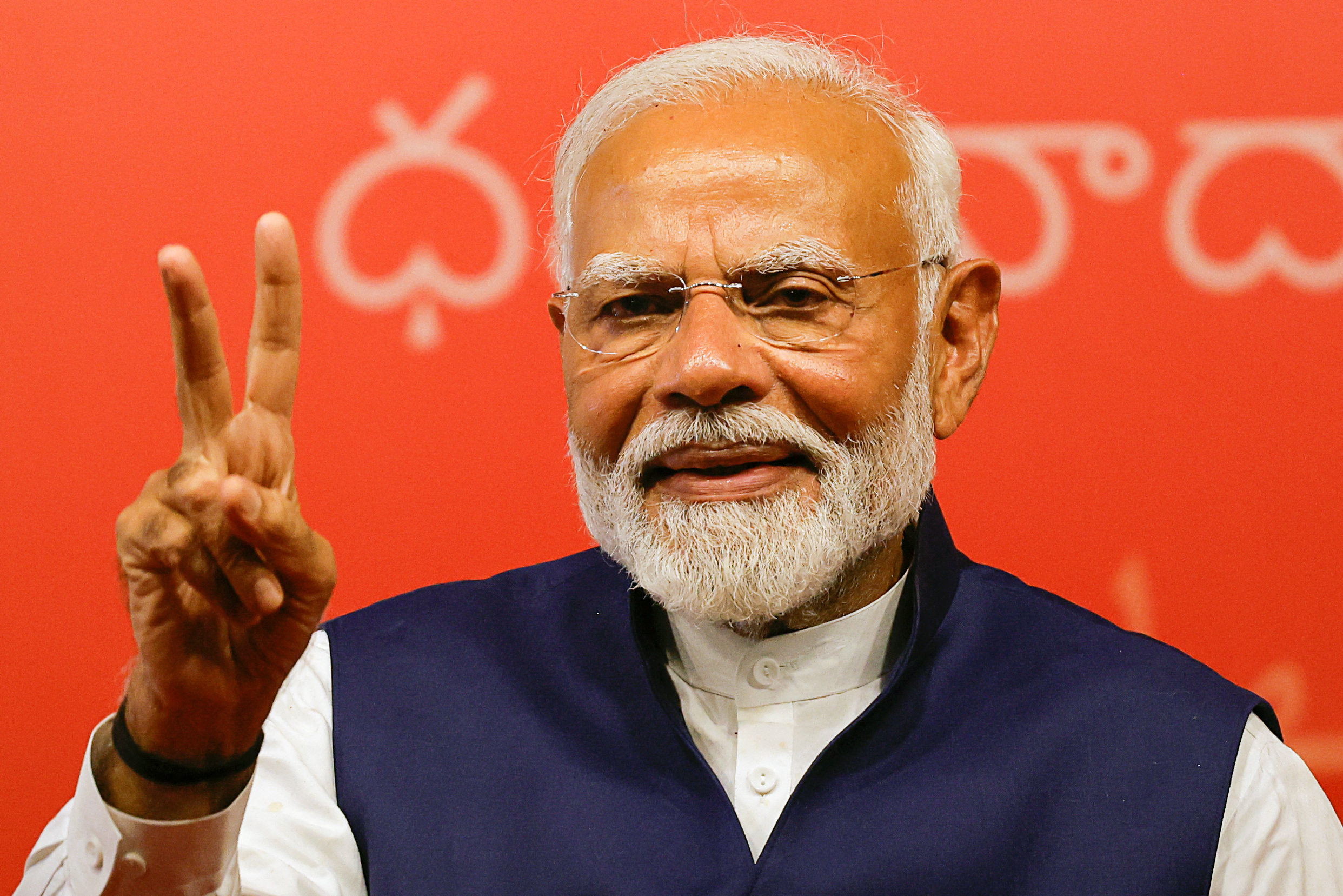
When Prime Minister Narendra Modi sat down with Chinese President Xi Jinping on the sidelines of the New Delhi BRICS Summit, nobody expected empty diplomatic pleasantries. They got straight to brass tacks. Modi made it clear that bilateral stability hinges on three core pillars: mutual respect, mutual sensitivity, and mutual interest. If you have been following Asian geopolitics, you know that keeping the peace along frontier zones isn't just a talking point. It is the absolute baseline requirement for any real economic or strategic cooperation between these two nuclear-armed neighbors.
The Ministry of External Affairs confirmed that both leaders agreed that differences shouldn't morph into outright disputes. That is a heavy statement. It signals a pragmatic pivot away from constant friction and toward structured management of the boundary question. Modi emphasized that adhering to existing border agreements and understandings is non-negotiable. Xi, on his end, pushed for a long-term strategic perspective. Honestly, seeing both capitals acknowledge the structural trade imbalance and the need for predictable market access means businesses on both sides might finally get some regulatory breathing room.
The Three Mutuals Principle in Modern Diplomacy
Let us talk about what the three mutuals actually mean on the ground. Modi didn't pull those terms out of a hat. Mutual respect means recognizing each other's core sovereignty without hostile interference. Mutual sensitivity means keeping national security concerns in check instead of triggering knee-jerk escalations. Mutual interest means trading and engaging where it makes economic sense.
Most foreign policy commentators miss the forest for the trees. They obsess over minor skirmishes while ignoring the larger multilateral frameworks like BRICS where New Delhi and Beijing have to work together. When Modi conveyed his best wishes for China’s upcoming BRICS Presidency next year, it wasn't just protocol. It was a calculated signal of continuity and institutional maturity. India wants multilateral platforms to deliver tangible economic gains for the Global South, not become bogged down by bilateral baggage.
What Structural Trade Realities Mean for the Region
Trade numbers between India and China have always been lopsided, heavily skewed in Beijing's favor. During their New Delhi encounter, both heads of state touched directly on supply chain friction and predictable market access.
- Addressing the heavy trade deficit requires genuine intent from Chinese regulators.
- Indian manufacturers need predictable avenues to export goods without sudden tariff walls.
- Regional stability anchors investor confidence across the entire Indo-Pacific manufacturing corridor.
You cannot talk about long-term development while ignoring supply chain vulnerabilities. Both nations realize that economic decoupling is a pipe dream given how deeply integrated global manufacturing remains. Instead of fighting gravity, they are trying to manage the friction points.
Moving Beyond Border Flashpoints
Can New Delhi and Beijing actually achieve a fair and mutually acceptable boundary resolution? The political will expressed during the Delhi summit points toward a cautious yes, but execution is everything. Frontline military commanders have their work cut out for them. Obeying existing pacts requires strict discipline on the ground, far away from the television studios and press briefings.
If you are watching this space, keep your eyes on the practical follow-ups. Watch for upcoming trade delegations, resumption of cross-border mobility measures, and cultural exchange timelines. Real diplomacy happens in the boring bureaucratic follow-through, not just the summit handshakes. Check the latest MEA briefings and trade ministry updates to track whether these high-level commitments translate into actual policy changes on the ground.