Big real estate handouts do not magically solve a cash crunch. When you look closely at Hong Kong’s transit backbone, the reality is far more complicated than government press releases suggest. MTR Corporation is facing heavy financial pressure. Even with massive land grants tied to the ambitious Northern Metropolis megaproject, the math simply does not add up overnight.
Everyone loves to talk about the grand vision of shifting Hong Kong's urban center northward. Lawmakers pass development bills, transport costs get trimmed, and officials celebrate new infrastructure milestones. Yet, behind the corporate presentations, executives are sounding alarms about cash flow cycles. The core issue lies in a structural mismatch between long-term capital outlays and immediate financial obligations.
The Problem with the Classic Rail Plus Property Model
For decades, MTR relied on a neat trick known as the rail-plus-property model. The government handed over plots of land near transit stations. The corporation built residential and commercial towers above or beside those stations. Profits from property sales and rentals helped subsidize costly railway construction and maintenance. It worked brilliantly during decades of rapid urban expansion.
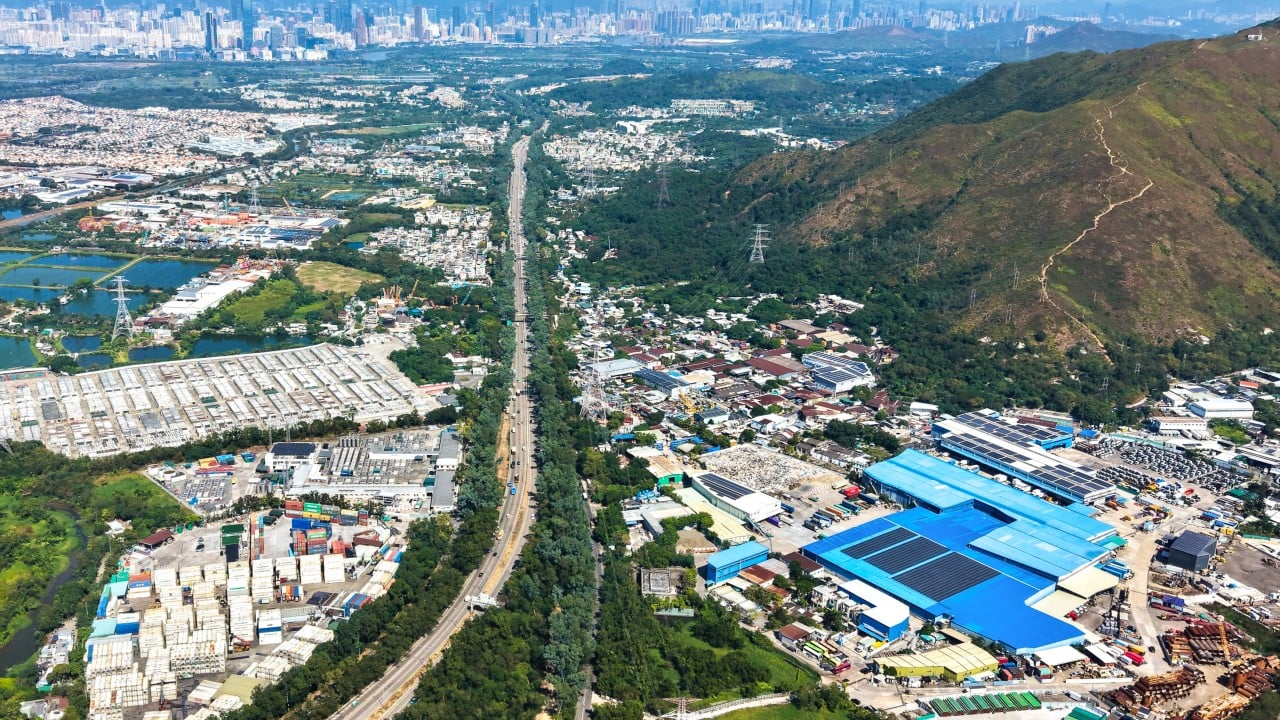
The Northern Metropolis changes the equation entirely. This massive 30,000-hectare development area is designed to integrate Hong Kong more closely with Shenzhen, creating an innovation and technology hub. But building a city from scratch takes decades. MTR Chief Executive Jeny Yeung has pointed out the hard truth: the financial cycle required for these returns is exceptionally long.
You cannot monetize empty land plots immediately. Roads, utility networks, and foundational technology infrastructure must come first. While those billions are spent upfront, the commercial and residential returns sit years or even decades away.
Balancing Public Duty and Shareholder Realities
Publicly listed companies have a primary fiduciary duty to deliver returns to shareholders. At the same time, MTR functions as an essential public utility provider keeping millions of commuters moving daily. Walking that tightrope gets messy when multi-billion-dollar transit links demand immediate funding.
Consider the recent agreements surrounding the Northern Link project. Even after trimming projected costs through engineering adjustments, the financial commitment remains staggering. Pouring billions into rail systems for a community that does not fully exist yet creates an enormous liquidity strain.
Private developers might walk away from projects with such extended payback periods. MTR does not have that luxury because government stakeholders expect the transit giant to act as the primary engine for territorial expansion.
What This Means for Future Urban Planning
This cash crunch signals a turning point for how megaprojects are financed in dense urban economies. Relying solely on traditional property development models to fund complex, futuristic tech hubs is hitting its limits. Capital cannot stay tied up for twenty years without alternative liquidity solutions or heavier direct public funding.
If Hong Kong wants its northern expansion to succeed without bleeding its transit operator dry, funding structures must evolve. Waiting a generation for property sales to cover today's construction bonds is a dangerous game.
Keep an eye on how upcoming project agreements are structured. If the government expects private-public hybrids to carry the weight of future expansion, financial distress will become the norm rather than the exception. Building tomorrow's city requires cash today, and land grants alone do not pay the bills.