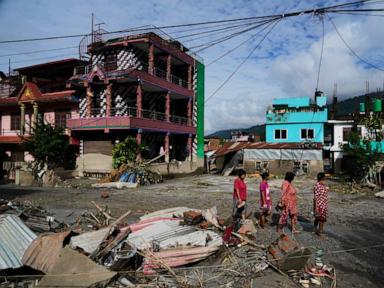
The water came down like wet cement, swallowing roads, vehicles, and second-story balconies in a matter of minutes. There was no earthquake warning, no prolonged tremor to send villagers running for the hills. Just an unexpected, thunderous wall of ice, rock, and mud barreling down from the Nepal-Tibet border.
When the Lhende Khola river system burst its banks following an ice-rock avalanche, survivors across northern Nepal found themselves scrambling for survival with almost zero warning. Now, as the death toll climbs past 270 and hundreds remain missing—including international tourists and pilgrims—the true scale of this Himalayan catastrophe is becoming glaringly clear.
The Speed of the Catastrophe
Hydrological observations paint a terrifying picture of the event. On the Trishuli and Bhote Koshi rivers, water levels surged by as much as 9 meters (nearly 30 feet) in just thirty minutes.
People were getting ready for work or preparing to cross border markets when the torrent struck. Keshav Prasad Baral, a 68-year-old survivor, watched a massive wall of mud rush toward his home. He managed to grab his wife's hand to head for the terrace, but the sheer force of the current ripped them apart. Stories like his echo through hospitals and makeshift rescue camps from Nuwakot to Trishuli Bazar.
The disaster didn't just target remote mountain hamlets. It devastated vital economic lifelines:
- At least 19 bridges were washed away or severely compromised.
- Roughly 40 kilometers of critical mountain roads turned into rubble.
- 13 hydropower projects suffered heavy structural damage, knocking out local power grids.
- Security posts, customs facilities, and roughly 200 commercial trucks vanished into the brown rush.
Why the Himalayas Are Growing More Dangerous
This isn't an isolated incident, and experts are tired of people acting like it is. This same river system flooded just 14 months prior, triggered by similar high-altitude glacial dynamics.
Rising global temperatures are destabilizing high-altitude ice and permafrost across the region. When an ice-rock avalanche crashes into a narrow mountain gorge, it creates an unstable temporary dam. Water pools behind it until the pressure breaks the barrier, releasing a catastrophic flash flood downstream.
The geographic layout of northern Nepal makes these valleys incredibly vulnerable. Steep slopes funnel massive volumes of water into tight corridors where communities, trade routes, and sacred pilgrimage paths sit right on the river banks. When a glacial lake or blocked river lets go, downstream residents have minutes—sometimes seconds—to react.
The Global Impact on Travelers and Pilgrims
The human toll stretches far beyond local residents. The region acts as a major corridor for travelers, including hundreds of pilgrims heading toward Mount Kailash in Tibet.
Current tourism board records indicate that hundreds of foreign nationals from dozens of countries remain unaccounted for. Search and rescue teams face grueling conditions. Choppers fight poor weather to drop emergency food and medical supplies to isolated mountain pockets, while ground crews dig through meters of thick, heavy silt where homes once stood.
Governments from New Delhi to Washington are scrambling to trace citizens, establishing emergency helplines as families wait anxiously for news. Meanwhile, downstream searches have found bodies more than 150 kilometers away in Chitwan, demonstrating the horrifying momentum of the floodwaters.
What Needs to Change Right Now
Local authorities have declared the worst-hit regions disaster zones for the next three months, directing full state support toward free medical treatment for survivors and emergency housing. But temporary relief camps aren't enough to solve a systemic crisis.
If mountain communities are going to survive the next decade, early warning sensor networks along high-risk glacial lakes must become a top priority. Relying on traditional observation in an era of rapid climate shifts is a death sentence. Communities need real-time satellite telemetry linked to automated sirens that can buy people precious minutes to climb to safety before the next mountain wall breaks.