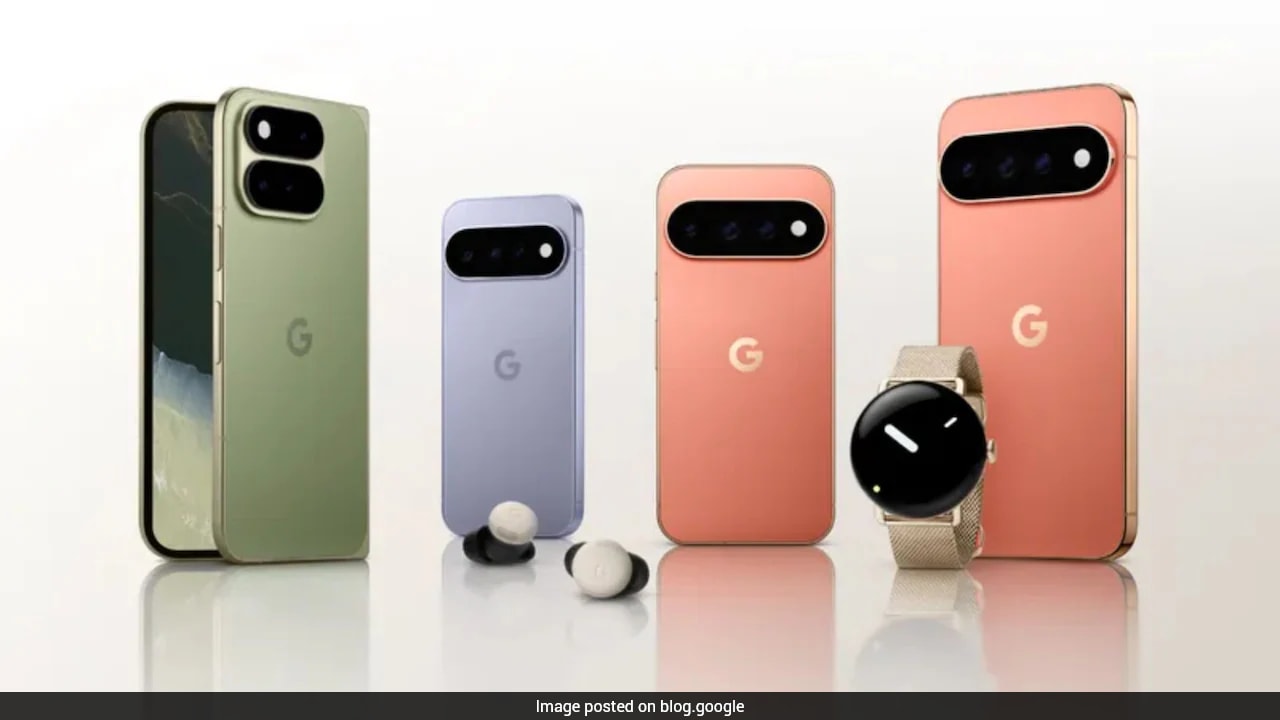
Google just dropped the Pixel 11 lineup, and people are complaining about the price. They aren't wrong. You'll have to pay $899 just to get your hands on the base model this time around.
If you want a Pro variant, expect to shell out at least $1,099, while the Pro XL starts at $1,299. The foldable version sits at the top of the chain at $1,899. Google killed off the 128GB tier completely, meaning every phone now starts with 256GB of baseline storage. That explains part of the jump, but rising component costs do the rest.
Is it worth your hard-earned cash? Let's break down what changed under the hood.
The Tensor G6 Chip and Real AI Speed
Google packed the new Tensor G6 chip into every device in the Pixel 11 family. Marketing departments love throwing around percentages, but the real-world metrics matter more. The new CPU gives you roughly 25 percent faster web browsing and pushes app launches up by 15 percent compared to older hardware.
The bigger story lives inside the Tensor Processing Unit, or TPU. Google boosted the TPU compute power by 50 percent, making on-device Gemini tasks run up to 3.5 times faster while burning 3.5 times less energy. You won't wait around for the phone to process local AI prompts. They just happen. Security also gets a subtle bump thanks to the Titan M3 chip handling post-quantum cryptography during secure boot sequences.
Camera Upgrades That Do the Heavy Lifting
Google didn't reinvent the camera bar design—they just slimmed it down by 40 percent on the base model so it sits nearly flat when you slap a case on it. Inside, the optics get serious upgrades.
The standard Pixel 11 and the Pixel 11 Pro Fold carry a fresh 48-megapixel main sensor that pulls in 56 percent more light than last year's hardware. If you step up to the Pixel 11 Pro or Pro XL, you get a larger 50-megapixel main sensor paired with a redesigned 48-megapixel telephoto lens. That telephoto lens brings 30 percent more light and unlocks a staggering 120X Pro Zoom mode.
Night Sight operates up to 4.5 times faster across the board, meaning you spend less time holding your breath trying not to blur a low-light shot.
The Return of the Notification Light
One feature caught everyone off guard. Google added a system called HiLight to the Pro models. Colored LEDs sit right around the camera flash, glowing when Gemini listens, thinks, or responds. You can assign custom colors to specific callers when your phone lies face down on a desk. It functions like a modern, high-end evolution of the classic notification LED we lost years ago.
Should You Upgrade?
Pre-orders are live right now, and the phones hit physical shelves on August 20. If you're carrying a Pixel 10, skipping this generation makes total sense. The design language feels familiar, and the price hike stings.
For anyone using a Pixel 8 or older, the jump to the Tensor G6 chip, massive storage baselines, and brighter screens—hitting up to 3,600 nits on the Pro models—creates a compelling reason to open your wallet. Check out the pre-order trade-in deals before buying outright to soften the blow.