Federal prosecutors wanted to walk away from the case against billionaire Gautam Adani, but a US judge just threw a wrench into those plans.
If you thought the legal storm surrounding the Adani Group was fading after the US Department of Justice (DOJ) moved to drop its criminal charges, think again. Gautam Adani must file a sworn affidavit in a New York federal court by July 15, 2026. The mandate comes directly from US District Judge Nicholas Garaufis. He wants a straight answer to a very uncomfortable question: Was there a backroom deal linking the dismissal of these multi-million dollar bribery charges to Adani's promise to pump $10 billion into the American economy? You might also find this related story interesting: Why The Us Forced Labor Tariff Strategy Blasts Hole In American Pockets.
The legal friction exposes a rare, public tug-of-war between a federal judge and the Department of Justice over how high-profile corporate crime is prosecuted.
The Million Dollar Question Judge Garaufis Wants Answered
You don't usually see a federal judge pause a dismissal that both the prosecution and the defense agree on. It's highly unusual. Under Federal Rule of Criminal Procedure 48(a), prosecutors have broad discretion to drop cases. Usually, the court signs off as a formality. As reported in recent coverage by CNBC, the results are worth noting.
Not this time. Judge Garaufis is holding up the line because he smells a potential conflict of interest.
The judge noted that recent filings from the DOJ introduced, for the first time, the possibility that some form of unexpressed agreement existed regarding the dropped indictment. He's requiring Gautam Adani to state under oath whether he is aware of any promise, offer, or benefit tied to the government's decision to drop the case.
Basically, the court is demanding proof that no dirty hands changed the course of justice.
Legally Indefensible or a Political Quid Pro Quo
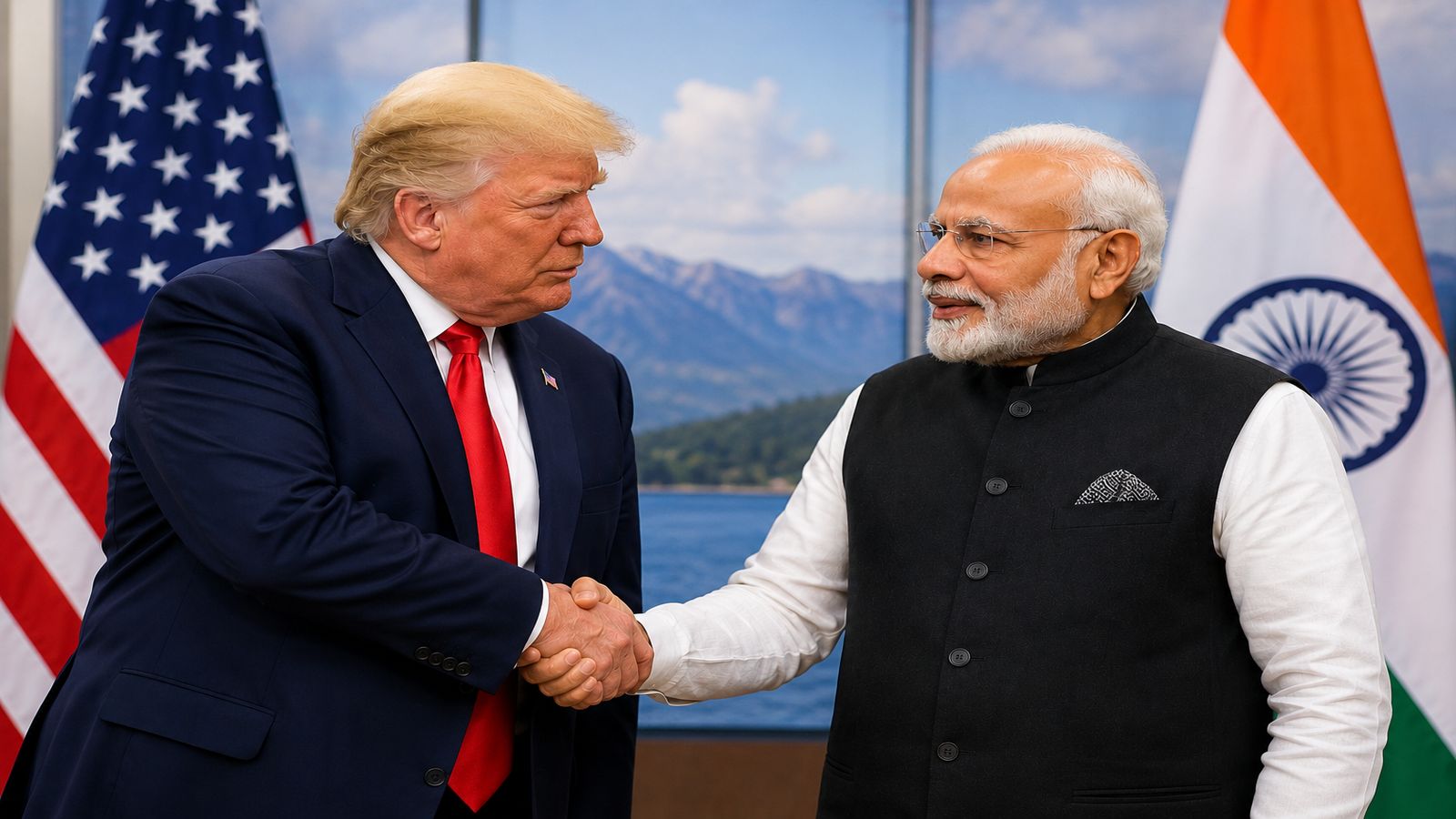
The narrative from the top brass at the DOJ is completely different. R. Trent McCotter, the Principal Associate Deputy Attorney General, filed a 10-page brief explicitly stating that he was the sole decision-maker behind the dismissal. He aggressively denied that Adani's public pledge to invest $10 billion in the US—announced shortly after the late 2024 presidential election—had anything to do with it.
According to McCotter, the securities fraud case brought against Adani in 2024 was legally "indefensible" from the start. The DOJ's core arguments for dropping the case include:
- Jurisdictional Overreach: Most of the alleged conduct happened in India, not the United States.
- No Investor Losses: US investors didn't actually lose money from the alleged scheme.
- Lack of Domestic Priority: The Foreign Corrupt Practices Act (FCPA) charges don't align with current administration enforcement priorities, which favor cases tied strictly to US national security or domestic entities.
McCotter went as far as saying the case should have been dropped a year ago, calling the original indictment an improper "name and shame" exercise.
But there's a catch. When Adani’s defense team argued their case earlier in 2026, their 100-slide presentation actually included a reference to that $10 billion US investment pledge. It's easy to see why the judge is skeptical. When a billionaire mentions a massive economic favor in the middle of fighting a criminal bribery charge, it leaves a paper trail that's hard to ignore.
What Happens Next for the Adani Group
The immediate next step rests entirely on Adani’s signature. Sources indicate he will file the sworn affidavit ahead of the July 15 deadline, denying any quid pro quo. Because the matter is sub judice, the Adani Group has tightly shut its doors to reporters, refusing to comment.
If Adani files the affidavit denying a deal, Judge Garaufis will have to decide whether to accept the assurance and dismiss the indictment with prejudice, which would permanently protect Adani from these specific charges.
For investors, the stakes are massive. We've already seen Adani stocks ride a wild rollercoaster, jumping over 5% the moment the DOJ initially moved to drop the charges in May. If the judge accepts the affidavit, it clears the legal runway for Adani to expand his green energy and infrastructure empire inside the US without a dark cloud over his head. If the judge digs deeper, expect market volatility to return with a vengeance.
The next few days will show whether this is the final chapter of Adani's US legal nightmare or just a brief commercial break.