The diplomatic machinery working to stabilize the Gaza Strip is grinding to a halt. When Turkey, Egypt, and Qatar issue a joint statement condemning Israeli strikes, it isn't just routine rhetoric. It signals that the fragile ceasefire in place since October 2025 is hanging by a thread.
If you’ve been following the situation, you know these three nations act as the primary mediators. They aren't just observers. They are heavily invested in the "Comprehensive Plan to End the Gaza Conflict." When they warn that recent Israeli actions undermine their work, they are basically telling the world that the negotiation process is failing.
I’ve watched these diplomatic cycles for years. When mediators go public with grievances like this, it means private channels have already broken down. They’re no longer talking behind closed doors. Now, they’re shouting across the international stage.
The Real Cost Of Escalation
Basically, the situation boils down to a massive disconnect between military objectives on the ground and diplomatic realities at the table. Israel maintains it’s responding to threats. Egypt, Turkey, and Qatar argue that these responses are fueling a cycle of violence that makes any long-term peace agreement impossible.
It’s easy to dismiss these statements as standard political posturing. But consider the timing. Negotiators were reportedly making progress with the Board of Peace. Then, the strikes hit. Any momentum gained in those meetings is now being rapidly depleted.
I’ve seen this happen before. One side decides that tactical military gains outweigh the long-term benefit of a political solution. The problem is that once the trust evaporates, it doesn’t just come back because everyone signs another piece of paper. It takes months of grueling effort to rebuild, and right now, the parties involved are running out of runway.
Understanding The Mediator Stance
Why do these three countries matter? They have unique leverage.
- Egypt shares a direct border with Gaza. They control the flow of goods and people. They have the most to lose if the region descends into chaos.
- Qatar provides the funding and the communication bridge to various groups involved in the conflict. They hold the purse strings and the contact list.
- Turkey exerts significant regional influence and pressure on international bodies to maintain a seat at the table.
When these three speak with one voice, the international community has to listen. It isn't a suggestion. It's a warning that the status quo is physically unsustainable.
What Happens When Diplomacy Fails
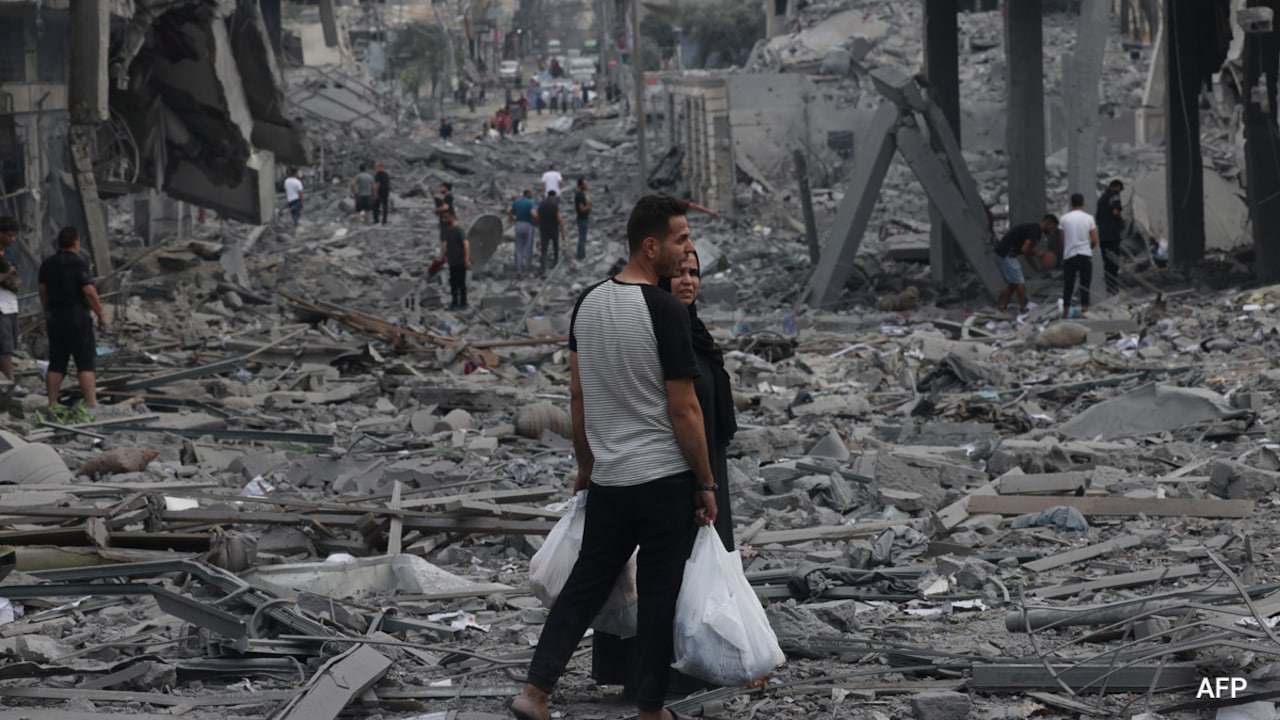
If the Board of Peace and the mediators can't get Israel and the other stakeholders back to a strictly diplomatic footing, the risk of a regional spillover increases exponentially. We are looking at a scenario where humanitarian efforts are stalled, infrastructure projects remain frozen, and the local population continues to bear the brunt of the instability.
Don't buy into the idea that this is just another minor flare-up. The language used in the joint statement—referencing a "critical juncture"—is deliberate. They aren't using that language by accident. They are setting the stage for a potential breakdown in the entire peace framework.
Practical Realities For The Situation
If you’re trying to track the actual status of the conflict, ignore the daily headlines and look at three things:
- Border crossings: Are they open or closed? This is the clearest indicator of military tension.
- Mediator travel: Watch where the envoys from Cairo, Doha, and Ankara go. If they stop traveling, the negotiations have effectively died.
- Internal government messaging: Pay attention to shifts in how the Israeli cabinet discusses the ceasefire terms. Rhetoric that moves away from "compliance" toward "unilateral action" is a massive red flag.
The path forward is narrow. It requires an immediate halt to aggressive maneuvers and a return to the technical details of the Comprehensive Plan. Without that, we are watching a deliberate unravelling of months of hard-won progress.
Pay close attention to the next 72 hours. That’s usually when the true intent of these condemnations becomes clear. Either the strikes stop and negotiations resume, or the entire architecture of the current Gaza peace deal will have to be redesigned from scratch.
Do not expect a simple resolution. The actors involved are dug in. History shows that when the mediators start blaming the participants publicly, the clock on the current agreement is already counting down to zero. Take any claims of progress with a massive grain of salt until you see tangible, visible shifts on the ground.