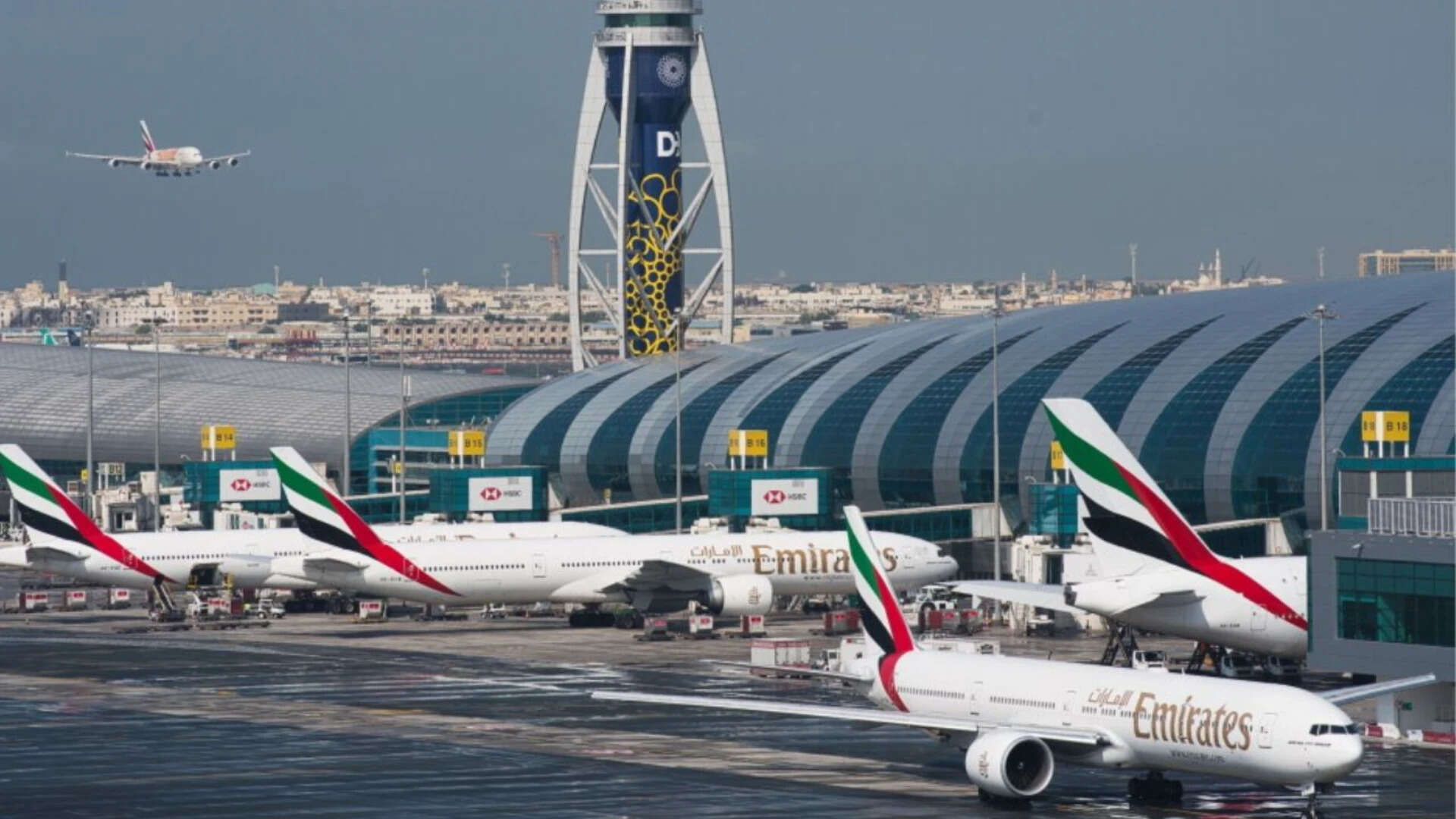
If you’re heading to the Middle East this week, you’ve likely seen the headlines. Renewed hostilities between the U.S. and Iran have triggered a wave of flight cancellations across the Gulf, specifically impacting routes between the UAE, Kuwait, and parts of Saudi Arabia.
It’s frustrating. It’s chaotic. And frankly, it’s a reality of traveling in a region where geopolitical tensions can shift airspace safety in minutes. Discover more on a related subject: this related article.
As of July 19, 2026, major UAE carriers—including Emirates, Etihad, flydubai, and Air Arabia—have been forced to ground or reschedule select services. If you have a trip booked, don't panic, but do act fast. Here is exactly what’s happening and how you should handle it.
Why flights are being grounded
This isn't a systemic failure of the airlines. It’s a direct response to regional security. Further analysis by Travel + Leisure delves into similar views on the subject.
On Saturday, July 18, Kuwait International Airport was forced to temporarily suspend all take-offs and landings following repeated missile and drone threats in the area. When a primary hub closes, the ripple effect is immediate. Airlines have to pause incoming flights, which leaves aircraft out of position for outgoing services.
Beyond Kuwait, operations at Abha International Airport in Saudi Arabia have also faced disruptions. While the wider Middle East aviation network remains largely operational, the "operational reasons" cited by airlines usually mean they are rerouting to avoid volatile airspace or dealing with crew limitations caused by these sudden groundings.
Impacted routes you need to know
If you are flying between the UAE and these specific hubs, you are at the highest risk of disruption.
Emirates
The airline cancelled eight flights between Dubai International Airport and Kuwait International Airport on Sunday. This included flights EK853, EK855, EK857, and EK859, along with their return legs.
Etihad Airways
Services between Abu Dhabi’s Zayed International Airport and Kuwait (specifically flights EY653 and EY654) were cancelled for July 19 and 20.
Air Arabia
Sharjah and Abu Dhabi routes to Kuwait have been hit hard. Impacted flight numbers include G9068, G9124, and G9121 from Sharjah, as well as 3L020 and 3L022 from Abu Dhabi.
Flydubai
Routes connecting Dubai to Abha, Saudi Arabia, saw cancellations on Sunday, specifically flight FZ811. While some domestic Saudi flights connecting Abha to cities like Riyadh and Jeddah are still running, cross-border flights remain volatile.
Stop checking Google and do this instead
Most passengers make the mistake of waiting for an email notification. In a crisis, airline IT systems get overwhelmed. If you suspect your flight is affected, follow this sequence.
1. Check your PNR status on the official site
Don’t rely on third-party booking sites (Expedia, Kayak, etc.). Go directly to the airline’s "Manage Booking" portal. Use your six-digit PNR/booking reference to see if the status says "Cancelled" or "Rescheduled." This is the only source of truth that matters.
2. Contact the airline via WhatsApp or social media
Phone lines will have hour-long wait times. Most Middle Eastern carriers—Emirates, Etihad, and flydubai—have robust WhatsApp support channels or dedicated social media teams on X (formerly Twitter). They can often process rebookings faster than call center agents.
3. Don't go to the airport early
Jazeera Airways specifically urged passengers to arrive no more than three hours before their updated departure time. Showing up six hours early doesn't get you a seat; it just clogs the terminal and adds to your own stress.
4. Check your insurance coverage
If you’re stuck, you need to know what you’re entitled to. Most credit card travel insurance or standalone policies cover "trip interruption" or "delay" due to government-mandated airspace closures. Keep receipts for meals, hotels, and emergency transport.
Is it safe to travel to the UAE?
The United States and other Western nations have issued "increased caution" warnings for the Middle East. It is important to distinguish between a "travel advisory" and a "travel ban."
The UAE, Qatar, and Bahrain are currently at "Level 3: Reconsider your need to travel" in some jurisdictions, largely because of the potential for sudden airspace closures and regional instability. It does not mean the cities themselves are unsafe for visitors.
However, your itinerary is vulnerable. If you have a tight connection or a time-sensitive business meeting, book flexible tickets or consider a stopover in a region unaffected by current airspace restrictions.
Monitor official government alerts, such as the U.S. State Department’s STEP program, and stay flexible. In 2026, the best travel strategy in this region is to assume your schedule is a draft, not a contract.