The physical branding of the Kennedy Center has turned into a slow-motion legal drama. Right now, it’s a game of move and counter-move involving federal court orders, heavy-duty tarps, and board resolutions that feel like they were written in a backroom.
If you are looking for a simple resolution, you won't find it here. The Kennedy Center just informed a federal court that it won't attempt to put Donald Trump’s name back on the building's facade until at least September 8. It’s a temporary reprieve, not a surrender. Learn more on a related subject: this related article.
The latest legal tug-of-war
The current situation feels like a stalemate, but it's loaded with tension. Back in May, U.S. District Judge Christopher Cooper ruled that the previous installation of the former president’s name on the building was illegal. He ordered it down.
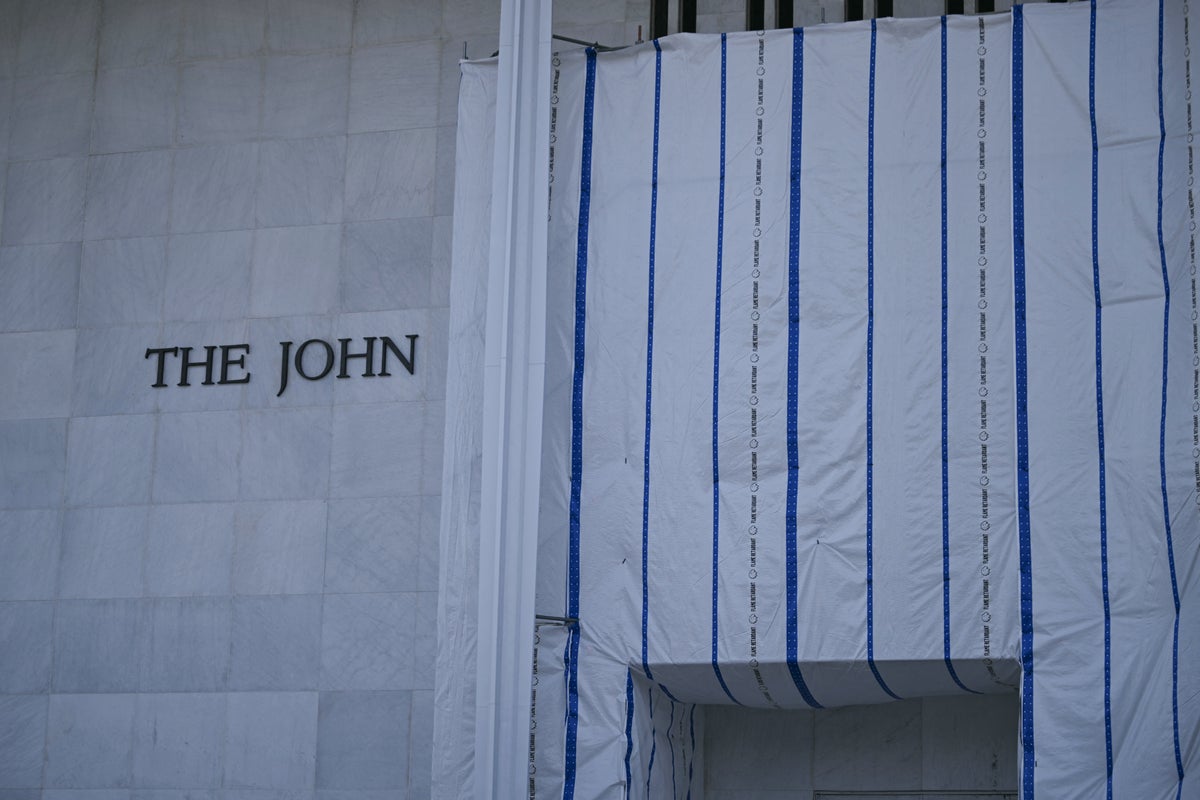
Yet, the name didn't just vanish into thin air. Instead, it was replaced by a tarp. That tarp remains in place. When questioned, the Kennedy Center says the covering is necessary for structural repairs and water testing on the roof overhang. It’s a convenient explanation that keeps the controversy hidden behind fabric. Additional reporting by Associated Press delves into related views on the subject.
Opposition from figures like Representative Joyce Beatty remains intense. Her legal team is essentially watching the board like a hawk. They argue that the board members appointed by the Trump administration are actively looking for ways to bypass the judge's previous rulings. They fear that as soon as the September 8 window opens, the administration will strike again to solidify that physical mark on the national stage.
The closure vote that raised red flags
The recent move to rebrand isn't happening in a vacuum. It’s tied to a contentious, board-approved plan to close the iconic venue for two years for major renovations.
The optics here are messy. Opponents like Beatty contend that the materials provided to the board before the August vote were rushed and incomplete. She isn't just worried about the name; she's questioning the integrity of the entire decision-making process. The claim is that the vote to close the facility was “preordained” and ignored legitimate administrative flaws.
Basically, you have two competing visions. One side claims a full, two-year closure is the only way to avoid safety hazards and spiraling construction costs. The other side—the skeptics—sees a pattern of mismanagement and a desperate attempt to use renovations as a Trojan horse for legacy building.
What this actually means for the arts
While the lawyers argue in D.C. courtrooms, the actual programming of the Kennedy Center is in flux. The board’s decision to pursue a full closure means signature events, like the Kennedy Center Honors and the Mark Twain Prize for American Humor, are being pushed to off-site locations.
The National Symphony Orchestra has already confirmed it is splitting its upcoming season across six different venues. For the average ticket holder, this is a logistics nightmare. It shifts the conversation from artistic excellence to the basic uncertainty of where the next performance will actually occur.
Moving forward
If you are paying attention to this, stop expecting a quick fix. The court is now the primary theater for this performance. Judge Cooper is clearly frustrated with the board's past maneuvers, having previously called their processes "ill-informed."
Here is what is likely to happen next:
- The September 8 deadline: This is the date to watch. Expect legal filings to intensify as we get closer to that week. The plaintiffs are going to ask the court for preemptive injunctions to stop any sudden rebranding efforts.
- Scrutiny of the construction plan: Whether the Kennedy Center actually shutters for two years depends on how the court views the board's justification for the closure. If the judge finds that the board acted in bad faith, he could theoretically freeze the construction plans themselves.
- The Tarp remains: Don't hold your breath for the removal of that tarp. It’s a literal cover-up, and until the legal status of the naming rights is fully resolved, the facility has every incentive to keep it exactly where it is.
The situation is a classic example of how political interests can collide with cultural institutions. When a board loses sight of its core mission—supporting the arts—and shifts focus to personal legacies or ideological signaling, the public ends up paying the price in lost access and endless litigation.
Keep your eyes on the filings coming out of the federal court. The real story isn't about the building facade; it’s about the reach of institutional power and whether the courts can actually check it.
.png?width=1200&auto=webp&trim=0%2C0%2C0%2C0)