Silicon Valley spent years telling you that artificial intelligence would automatically fix every economic problem, pad your bank account, and usher in a golden era of uninterrupted growth. But if you walk down a standard American Main Street today, you won't find starry-eyed optimism. You will find hesitation, confusion, and a quiet resentment over soaring utility bills driven by data centers and the nagging fear that your job might be next on the chopping block.
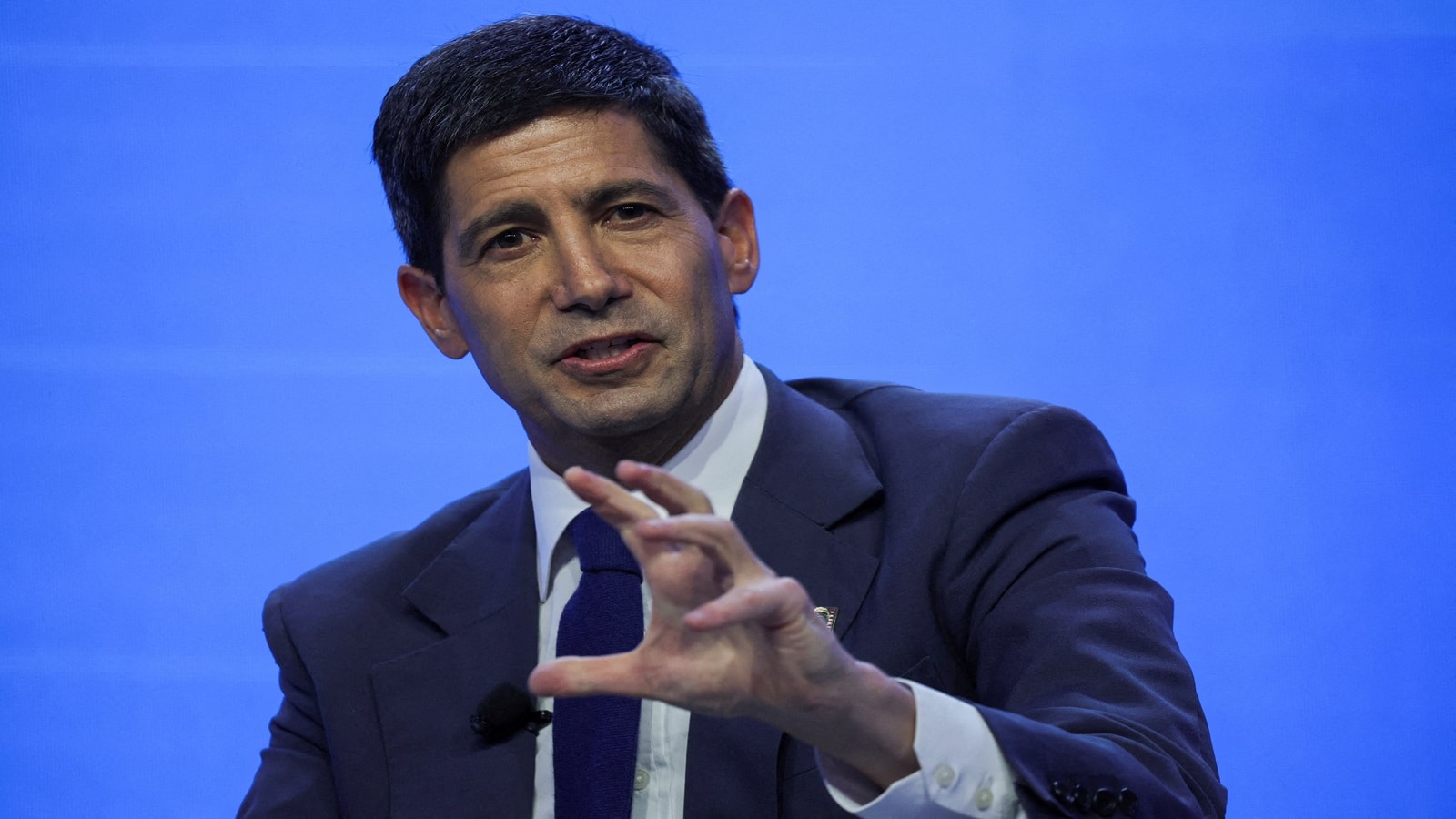
Federal Reserve Chair Kevin Warsh and central bank officials are finally taking stock of this disconnect. The American public is growing deeply wary of the tech industry's grand promises, and monetary policymakers are waking up to the reality that the artificial intelligence revolution might bring a very bumpy ride before it delivers any utopian future. Meanwhile, you can find related stories here: Why High Potential Is The Most Dangerous Myth In Modern Leadership.
The Clash Between Silicon Valley Hype and Main Street Reality
Look past the glossy earnings reports coming out of major tech hubs, and you will see an economy caught in a weird tension. On one side, billions of dollars flow into massive server farms, specialized chips, and energy grids. On the other side, everyday workers and small business owners wonder how any of this actually helps them pay rent or cope with sticky inflation.
Public skepticism isn't just about cultural fatigue or annoying chatbots. It is rooted in tangible economic anxieties. People see corporations pouring capital into infrastructure that consumes staggering amounts of electricity, while local communities bear the environmental and financial costs. When central bankers look at this dynamic, they don't just see cool gadgets. They see a massive capital expenditure cycle that could either spark a productivity miracle or trigger a severe economic shock. To see the bigger picture, we recommend the recent report by Harvard Business Review.
Inflation, Interest Rates, and the Productivity Mirage
One of the central questions facing the Federal Reserve is whether this technology will lower inflation through massive efficiency gains or drive prices higher in the near term. Building out the physical backbone of modern computing requires immense resources, driving up demand for power, copper, and specialized labor.
If expectations for quick productivity gains outpace reality, the financial fallout could hit equity markets hard. Investors who poured trillions into the ecosystem based on promises of instant profitability might find themselves holding the bag if consumer and enterprise adoption plateaus. Warsh has acknowledged that while the long-term historical impact could be massive, the transition phase carries structural hazards that monetary policy cannot simply ignore.
Higher interest rates have already added friction to the buildout, forcing tech companies to think more critically about their capital allocation. Yet, the pressure remains high because corporations feel an existential need to keep spending just to stay in the race.
What the Labor Market Is Actually Experiencing
Politicians love to argue about whether algorithms will create or destroy jobs, but the day-to-day reality is more nuanced. While widespread mass displacement hasn't materialized overnight in every sector, the psychological weight on the workforce is real.
Workers across administrative, creative, and technical fields feel like they are running on a treadmill that keeps speeding up. Companies expect human employees to produce at machine-like velocities simply because software tools exist, often without providing extra compensation or proper training. This creates an environment of quiet burnout. People aren't just worried about losing their livelihoods tomorrow; they are exhausted by the expectation that they must constantly adapt to tools that management barely understands.
Moving Past the Hype Cycle
If the Federal Reserve wants to navigate the coming years successfully, officials need to stop treating tech sector projections as economic gospel. Skepticism from the American public is a rational response to an unproven hype cycle that has largely benefited a tiny slice of corporate America while shifting risks onto everyone else.
Policymakers must keep a close eye on asset valuations, energy grid strains, and labor market disruptions rather than waiting for a crisis to force their hand. The real test of modern economic governance won't be how fast data centers can expand, but whether growth remains broad enough to keep ordinary citizens from getting left behind.
Stop expecting technology alone to solve structural economic problems. Pay attention to the infrastructure costs, protect your own skills, and don't buy into the narrative that every major software update translates to real human progress.