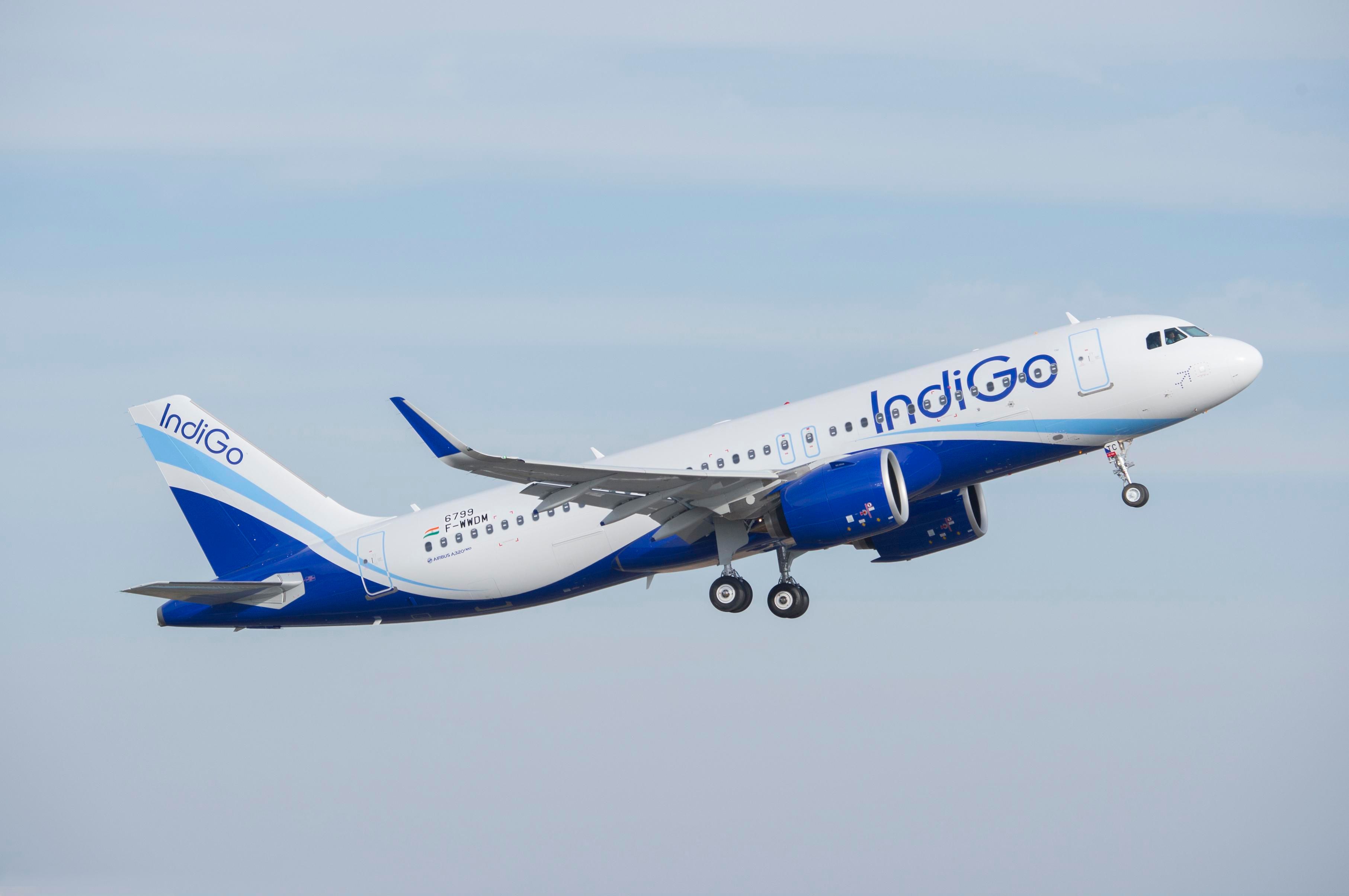
That sinking feeling when a massive aircraft stops climbing halfway across the English Channel is something you wouldn't wish on your worst enemy. Imagine settling into a long-haul IndiGo flight from London Heathrow to New Delhi, expecting a routine overnight crossing, only to watch the moving map display stall out at 24,000 feet. That's exactly what happened on Flight 6E 04.
The pilots didn't hesitate. When a technical glitch flickered across the cockpit displays shortly after departure, they made the call to spin the Boeing 787-9 Dreamliner around and head right back to where they started. Read more on a connected issue: this related article.
Squawk code 7700 popped up on air traffic control screens. For anyone tracking the flight from home, seeing that four-digit emergency code spikes the heart rate instantly. But here is what airline marketing departments won't tell you so bluntly: 7700 doesn't mean the plane is falling out of the sky. It's an administrative tool. It forces every air traffic controller in the region to clear the runway, grant absolute priority, and roll out the red carpet for an immediate, unhindered landing.
IndiGo kept mum on the exact nature of the mechanical headache, citing standard operating procedures and maintenance protocols. Honestly, airline PR teams never share the nitty-gritty details immediately after an incident, which fuels endless internet speculation. Was it an avionics glitch? A pneumatic valve acting up? Until the maintenance crew down at Heathrow finishes pulling logs and tearing into the Dreamliner's systems, nobody outside the hangar knows for sure. Further journalism by AFAR delves into similar views on the subject.
What matters more is how the airline handles the fallout. Stranded passengers at Heathrow faced the tedious shuffle back to the terminal, hotel vouchers, and the scramble for alternative seats heading toward Delhi. Missing a connection or losing a day of travel stings, but trading inconvenience for a safe descent back onto British tarmac is a bargain every single passenger should take.
If you're flying long-haul anytime soon, stop stressing about phantom mid-air disasters and start paying attention to the boring safety briefing. Modern aviation is brutally cautious, and pilots would rather abort a journey over a minor sensor warning than gamble with thousands of feet of altitude.
Check your airline's rebooking policies before you check in. Keep emergency contacts synced. When an emergency code lights up the radar, trust the flight deck to do their job.