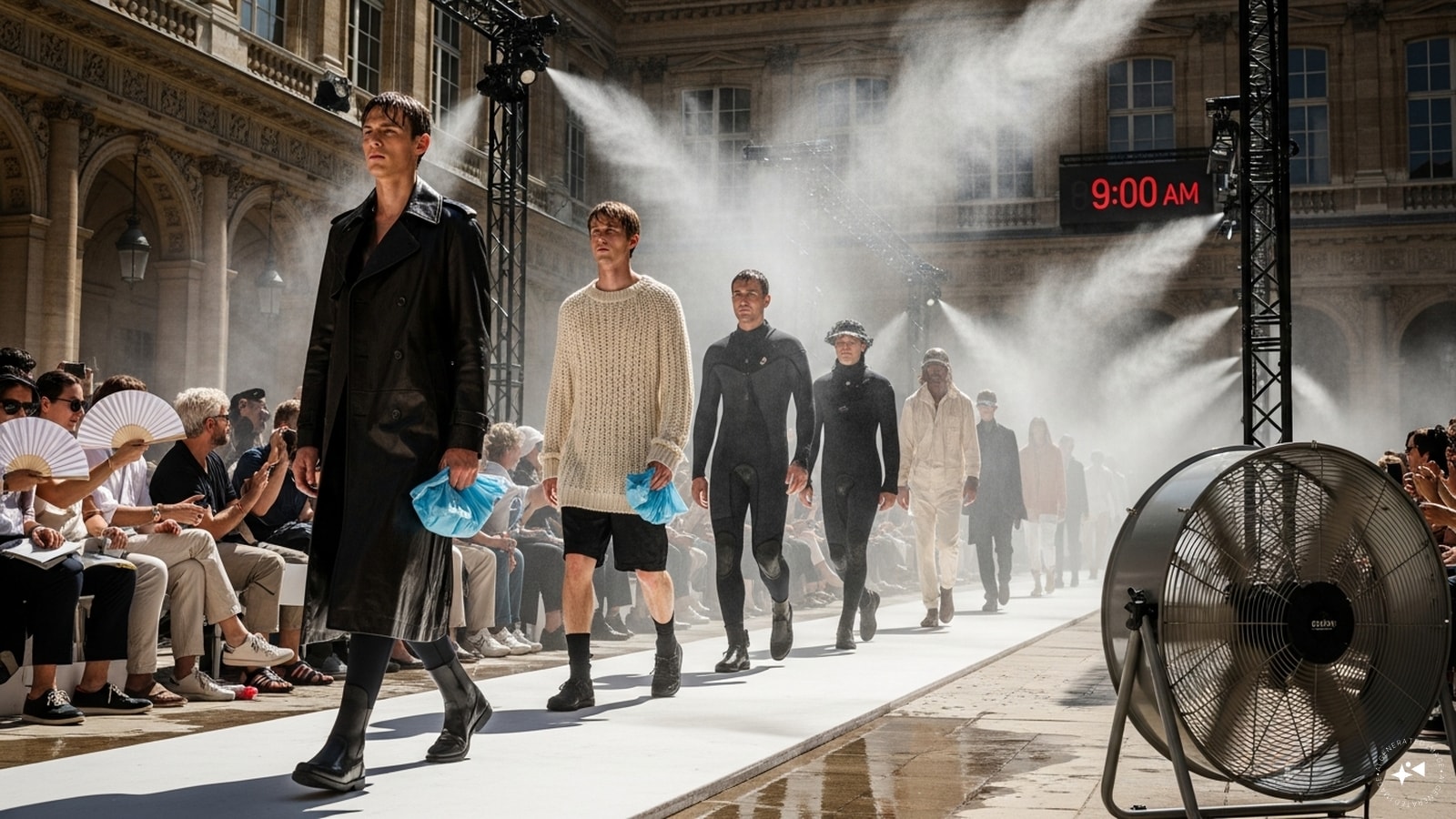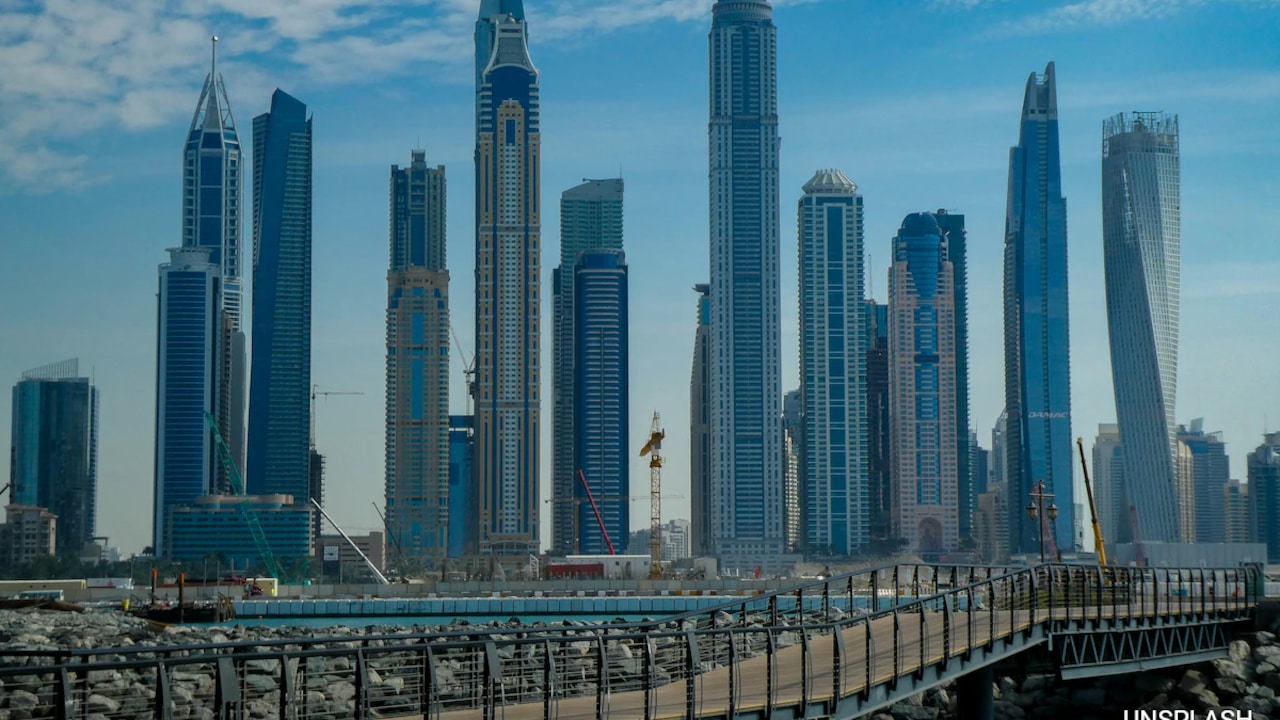
Europe is baking. Every summer, headlines scream about shattered temperature records, buckling train tracks, and apartments that feel like literal ovens. For decades, Western urban planners looked down their noses at hot regions, treating soaring temperatures as a distant tropical problem. That arrogance is costing lives now.
Europe is the fastest-warming continent on earth, and its historic cities are fundamentally unequipped to handle it. The continent is trapped in a design philosophy built entirely for the cold. To survive the coming decades, European cities need to radically borrow from the Gulf's heat survival strategies, adapting centuries of desert wisdom and modern infrastructure adjustments before the continent becomes unlivable during the summer months.
The core issue isn't just that it's getting hotter. The issue is that European architecture makes the heat worse. High-thermal-mass brick and stone buildings are great at trapping heat. That works beautifully in a mild winter. In a prolonged summer heatwave, those buildings turn into thermal traps. They absorb heat all day and fail to cool down at night, offering residents zero relief.
We need a massive shift in how we build, live, and move. The answers aren't hidden. They've been tested for centuries in the Arabian Peninsula.
The Fatal Flaw in Modern European Architecture
Walk through any major European city redevelopment project today. You'll see massive glass facades, wide-open concrete plazas, and minimal shading. It looks sleek. It feels modern. It's also an environmental disaster.
Glass towers work like greenhouses. They trap solar radiation, forcing mechanical cooling systems to work in overdrive. When the power grid fails, these buildings become deadly. The Gulf region learned this lesson the hard way during its rapid mid-century modernization, but it's quickly pivoting back to smarter designs.
Traditional architecture in places like Dubai, Doha, and Muscat didn't rely on massive glass sheets. It relied on geometry. Buildings were placed close together to create narrow, self-shading streets. The sun could barely reach the pavement.
Modern European developments do the exact opposite. They clear out spaces, creating massive concrete expanses that act as heat islands. Walking down a London or Paris street in July feels like walking on a frying pan because the layout lacks structural shade.
Passive Design Lessons from the Desert
Before oil wealth brought mechanical cooling, survival in the Gulf depended on passive design. These weren't primitive fixes. They were highly sophisticated engineering solutions that cost zero energy to run.
Wind Towers and Natural Air Currents
The barjeel, or traditional wind tower, is a masterclass in aerodynamics. These tall, open-topped structures catch high-altitude breezes and funnel them down into the living spaces below. As the warm air passes over wet clay pots or underground water channels, it cools down rapidly.
At the same time, hot air inside the house rises and escapes through vertical slots at the top of the tower. It creates a continuous, self-sustaining loop of fresh, moving air.
European homes rely heavily on opening windows, which often just lets in more hot air during the peak of the day. Integrating modern adaptations of these wind catchers into apartment complexes could drastically cut down the reliance on energy-guzzling wall units.
Shading with Mashrabiya Latticework
Another brilliant tool is the mashrabiya. These are carved wooden lattice screens placed over windows. They serve a dual purpose. They block direct sunlight from hitting the glass while allowing air to move freely into the room.
They also break up the harsh glare of the sun, keeping the interior brightly lit but thermally stable.
Compare this to the standard European solution: thick indoor curtains. By the time sunlight hits an indoor curtain, the heat is already inside the building. External shading is the only way to stop thermal transfer, and European building codes are painfully slow to mandate it.
Rethinking Everyday Life and the Nine to Five Grind
Surviving extreme heat isn't just about the walls around you. It's about your entire daily routine. The standard European lifestyle assumes a predictable 9-to-5 workday where people hustle through the afternoon sun. That model is broken.
In the Gulf, life shifts completely when the heat hits. The afternoon is for retreat. Businesses slow down, shops close, and people stay indoors. Activity surges after the sun sets. The streets come alive at 10 PM. Families gather in parks, markets hum, and life happens in the cooler night hours.
Traditional European Schedule:
[8 AM - 5 PM] Constant activity -> High heat exposure -> Heat exhaustion risk

Adapted Climate Schedule:
[7 AM - Noon] Early activity -> [Noon - 4 PM] Rest / Low energy -> [5 PM - 10 PM] Resumed activity
Southern Europe understands this through the traditional siesta, but Northern and Central Europe still resist it. Forcing workers to commute via un-air-conditioned subways during the hottest hours of the day is a recipe for productivity loss and medical emergencies.
Flexibility has to become structural. If temperatures hit 38°C, the workday needs to split.
The Modern Gulf Experiments Worth Copying
We can't just build mud-brick huts in the middle of Frankfurt or Amsterdam. The real value lies in how modern Gulf projects merge ancient concepts with modern urban planning.
Msheireb Downtown Doha
Look at the Msheireb district in Qatar. Instead of copying the typical Western glass-and-steel skyscraper model, planners designed the entire neighborhood to maximize shade.
Buildings are grouped tightly. The angles of the roofs are mathematically optimized to shade neighboring structures and the streets below.
The entire district is painted in light, reflective tones to prevent heat absorption. Walkways are lined with embedded cooling channels, and the buildings feature deeply recessed windows inspired by old mashrabiyas. It proves that density and climate resilience can coexist without sacrificing urban aesthetics.
Masdar City
Abu Dhabi’s Masdar City serves as another massive testing ground. The city utilizes a massive, centrally located modern wind tower that funnels a constant breeze through the public squares.
Because of the narrow streets and targeted wind redirection, the ambient temperature on the street level can feel up to 10°C cooler than the open desert just a few miles away.
Europe doesn't need to reinvent the wheel. It just needs to look at these functional case studies and stop assuming that insulation alone will solve a summer crisis.
Actionable Steps for European Communities
Fixing this structural failure won't happen overnight, but waiting for municipal governments to update zoning laws is a losing strategy. Property owners and local councils can implement immediate changes.
- Retrofit External Shutters: Stop buying heavy indoor drapes. Install external wooden or aluminum shutters. Close them completely before the sun hits the facade, and open them only after midnight to flush out warm indoor air.
- Paint the Town White: Dark slate roofs and dark brick facades look historic, but they destroy indoor comfort. Applying highly reflective, cool-roof coatings can drop roof surface temperatures by over 20°C.
- De-pave the Plazas: Replace dead concrete public squares with permeable green-blue infrastructure. Trees and pocket parks create micro-climates through evaporative cooling.
- Shift the Work Culture: Push for corporate policies that offer flexible hours during heatwaves. Let employees start at 6 AM and take a prolonged break during the mid-afternoon peak.
The era of treating extreme summer heat as an anomaly in Europe is officially over. The choices are simple: adapt the architecture and lifestyle to respect the climate, or continue to suffer through unlivable summers inside historic heat traps.