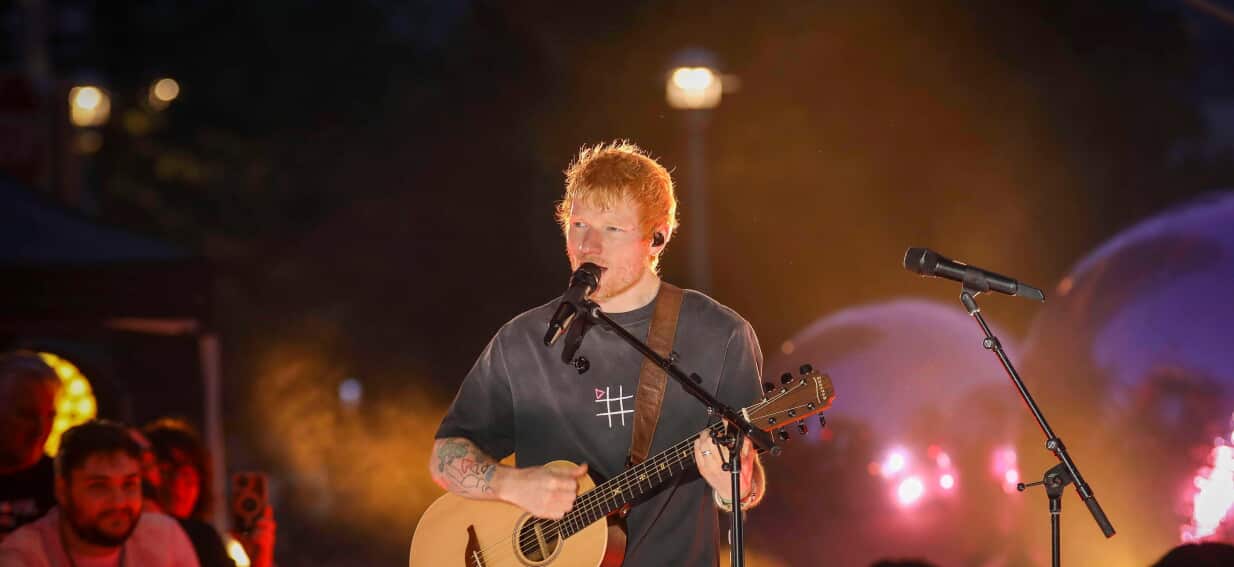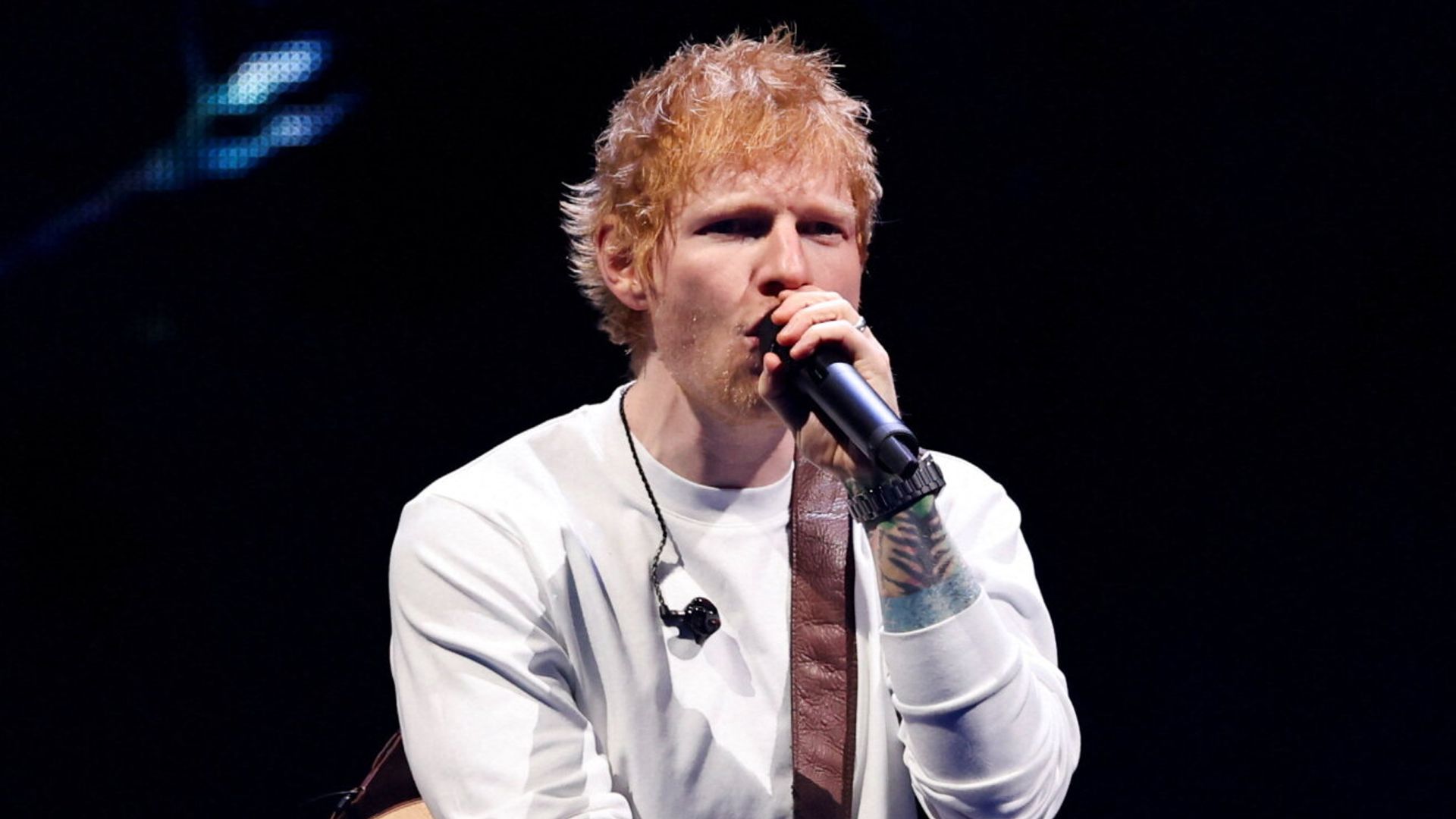
Concerts are supposed to be an escape, but lately, they are turning into battlegrounds where art, politics, and billionaire leverage collide.
When rapper Macklemore shouted "Free Palestine" during a September show at MetLife Stadium, he didn't just rattle the crowd. He triggered a chain reaction that ultimately brought down entire legs of Ed Sheeran's major tour. Weeks later, the fallout refuses to quiet down, raising massive questions about who actually controls live music spaces.
The Spark That Ignited the Arena Crisis
Macklemore's performance wasn't a casual slip of the tongue. He addressed the crowd directly, speaking on the conflict in Gaza and the West Bank before performing his politically charged track Hind's Hall. He urged listeners to remember those affected by the war and explicitly noted that his criticism targeted Israeli government actions rather than Jewish people.
That speech set off immediate institutional blowback. Promoters and venue owners faced swift pressure from organizations and individuals, including New England Patriots owner Robert Kraft—whose Gillette Stadium group held power over upcoming dates. Kraft and various venue stakeholders delivered a stark ultimatum: drop Macklemore, or lose the bookings entirely.
Faced with massive logistical shutdowns, the Messina Touring Group pulled Macklemore from the lineup. That is when Ed Sheeran finally broke his silence.
Sheeran Defends His Stance and Shifts Blame
Ed Sheeran tried to thread an impossible needle. In a detailed multi-slide social statement, the British pop star insisted he was "not complicit" and pointed the finger squarely at tour promoters and stadium management.
"Macklemore coming off tour was the promoter's decision, it was not mine," Sheeran wrote. He claimed he spent days trying to build a bridge between protesting venues, promoters, and artists, but the ultimatum from venue owners was final.
Sheeran also doubled down on his choice to keep politics out of his own sets. Arguing that his audiences feature young children from every imaginable background, he stated that his massive shows are designed to act as safe sanctuaries rather than political forums.
"There is a reason I do not use my professional platform for politics," Sheeran explained. "Those who come to my shows do not expect a political forum."
💡 You might also like: the secret garden cast 1993
Yet, maintaining neutrality proved impossible.
The Domino Effect and the Artist Walkout
By trying to please everyone, Sheeran ended up losing everyone. Within hours of his public statement, the tour suffered a devastating series of support act defections.
Musicians didn't quietly slip away. They made public stands. Finneas, Lukas Graham, Irish folk band Beoga, and singer Aaron Rowe all walked away from the tour in solidarity with Macklemore. Rowe and Lukas Graham had been tapped to fill the open slots left by Macklemore's original ouster, making their refusal even more stinging.
The departing artists took explicit aim at the corporate power structures controlling live entertainment. They argued that letting wealthy venue owners dictate what artists can say creates a dangerous precedent. Rowe noted that he could not stand by and let billionaires silence voices speaking against human suffering, while Lukas Graham pointed out that money shouldn't give anyone the right to police moral discourse.
What This Means for the Future of Live Music
This whole mess proves that modern touring artists can no longer pretend they exist in a bubble separate from global geopolitics.
When stadiums are owned by high-profile billionaires and conglomerates, corporate interests hold direct veto power over free expression. Artists are caught in a vicious squeeze between their personal convictions, corporate gatekeepers, and fans who demand ideological consistency.
If you're tracking where the industry is heading, look closely at how venue contracts evolve. Expect tighter clauses, stricter stage monitoring, and more artists choosing to bypass traditional mega-stadiums altogether in favor of independent spaces where they control the mic. The illusion that music and politics can be neatly separated on a stadium stage is officially dead.