Five tons of degrading lead azide sitting inside 68 barrels in southeastern Iowa is a chemical headache nobody wanted before Thanksgiving. On Wednesday, November 25, 2026, the U.S. Army plans a controlled detonation of the entire national stockpile of this primary explosive at the Iowa Army Ammunition Plant near Middletown.
If you live anywhere near the Mississippi River border, you probably aren't feeling festive. You're checking wind maps. You're wondering if painters tape around your windows actually stops heavy metal dust. You're asking why a stockpile of bomb-making chemicals found during a March safety review got pushed to the day before one of the busiest travel and family days of the year. You might also find this similar article interesting: What The Chiquita Canyon Trash Geyser Disaster Actually Means For Southern California.
Honestly, I get why people are frustrated. Watching officials juggle court stays, shifting schedules, and emergency alerts makes a tense situation feel even messier. Yet when a volatile primary explosive degrades and crystallizes as autumn temperatures drop, doing nothing carries a nasty risk of its own.
Why Lead Azide in Iowa Became an Urgent Problem
Lead azide isn't a typical bulk explosive like TNT. It's a sensitive initiating explosive used to set off other munitions, which means it reacts to friction, heat, or shock far more easily than secondary explosives. When lead azide degrades or crystallizes over time, its sensitivity and unpredictability can climb, especially as colder weather moves across the Midwest. As reported in detailed coverage by USA Today, the implications are notable.
Army leaders, including Acting Secretary of the Army Adam Telle and Maj. Gen. Eric Shirley, have stressed that leaving the material in storage grows riskier as temperatures fall. A chain-reaction blast inside storage magazines or earth-covered concrete bunkers would be far harder to contain than a planned, mitigated detonation. That's the core argument behind moving ahead rather than waiting out another cold snap.
Still, timing matters. The Army changed the schedule multiple times amid public pushback, court rulings, and shifting weather forecasts. Moving the detonation to Wednesday morning—the day before Thanksgiving—clashed directly with holiday travel, school schedules, and local business operations. For families trying to host relatives or simply go about their week, being told to stay indoors or prepare for possible evacuation feels disruptive at best and alarming at worst.
The Fight Over Alternatives and Lead Dust
The biggest sticking point isn't whether the material needs to go. It's how to destroy roughly 9,500 pounds—about five tons—of lead azide without scattering toxic lead across farmland, towns, and waterways.
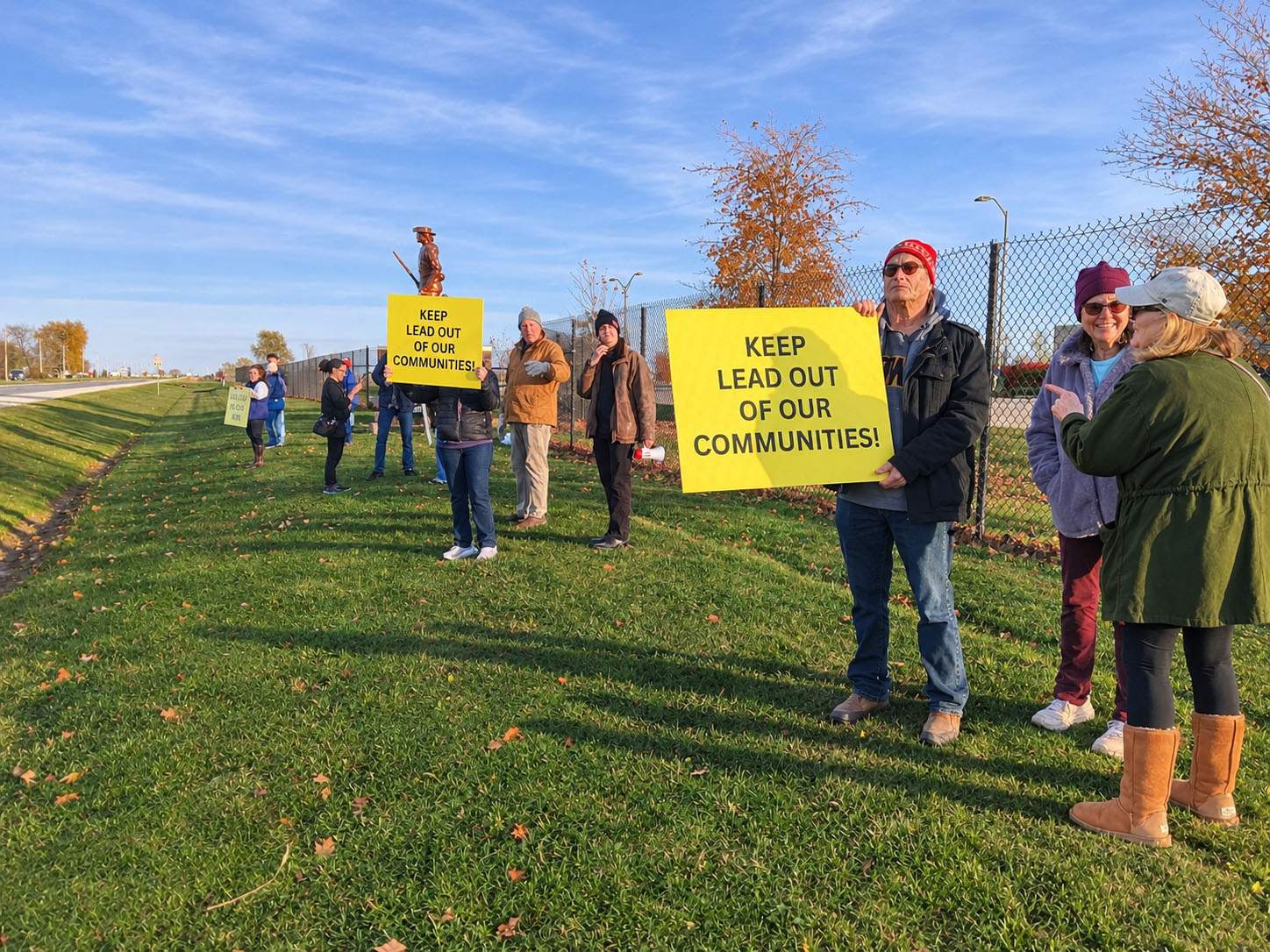
Environmental groups like the Iowa Environmental Council and Sierra Club's Iowa chapter, represented in court actions alongside Earthjustice, challenged the U.S. Environmental Protection Agency's emergency permit and raised alarms about lead dust traveling well beyond the immediate blast zone. Public health experts widely note there's no known safe level of lead exposure, with young children and pregnant women facing heightened vulnerability to neurodevelopmental harm.
The Army has pushed back by saying it evaluated other options—including chemical neutralization and thermal treatment—and concluded controlled detonation was the safest route for workers and nearby residents. A federal appeals court panel cleared the way earlier this week after finding the EPA attached meaningful safeguards to the emergency permit, such as weather windows, blast barriers, public notices, updated air dispersion modeling, and environmental sampling.
Here's where I think the Army stumbled on communication. Even when the technical case for controlled detonation holds up, waiting until late in the process to share clear dust-plume maps and plain-language health guidance breeds suspicion. When folks don't get straight answers upfront, rumors fill the gap.
What Plume Maps and State Warnings Actually Mean
New deposition maps released ahead of Wednesday's planned blast point southwest toward Missouri rather than directly over Burlington, a city of under 25,000 people along the Mississippi River. Winds and atmospheric stability drive how far fine particles travel, which is why officials keep updating projections right up to the event.
Neighboring states aren't sitting idle either. Missouri officials, including Gov. Mike Kehoe's administration, have moved to expand air, water, agricultural, and public health monitoring, while Illinois environmental agencies have published detailed guidance for residents and farms potentially in the path of airborne dust or surface deposition.
- Airborne exposure: Fine lead-bearing dust can drift downwind for a short window after the blast, though officials say the detonation itself lasts seconds and airborne dust dissipates relatively quickly under favorable conditions.
- Surface residue: Even after the air clears, microscopic lead particles can settle on outdoor tables, play sets, vehicles, window sills, and farm equipment.
- Agricultural impact: The U.S. Department of Agriculture estimated hundreds of farms could fall within projected plume paths, prompting advice to shelter livestock when possible and protect hay and open water troughs.
What's frustrating for rural residents is the uncertainty of localized fallout. Two properties a few miles apart can see very different dust settling depending on micro-shifts in wind speed and terrain. You can't rely on guesswork when heavy metals are on the table.
Practical Steps If You're in or Near the Plume Path
If you're in southeastern Iowa or an adjacent border county—or you have family there—don't panic, and don't wing it either. Basic precautions cut exposure dramatically.
- Follow local alerts and stay inside during the window: Listen to county emergency management and official updates on Wednesday morning. Stay indoors, keep exterior doors and windows shut, and set home HVAC systems to recirculate rather than pulling outside air in.
- Protect pets, livestock, and water: Bring pets indoors. If you manage livestock or horses in a potentially affected zone, move animals into barns or shelters when feasible, cover feed and water troughs, and drain and refill open water tanks if dust may have settled in them.
- Wash down outdoor surfaces afterward: Once officials confirm the airborne window has passed, wet-wipe or wash off high-touch outdoor surfaces like play equipment, porch railings, and vehicles rather than dry-sweeping dust into the air. Wash children's hands thoroughly before eating.
- Talk to a doctor if you have concerns: Lead exposure doesn't always cause immediate symptoms you can feel. If you're pregnant, have young children, or believe you had significant exposure, ask a healthcare provider about blood lead testing and follow guidance from state health agencies such as the Iowa Department of Health and Human Services or the U.S. Environmental Protection Agency.
Once the smoke clears, the real test starts. Independent and government soil, water, and air sampling will tell the truth about how much lead stayed on-site versus how much drifted away. Hold officials to transparent post-blast testing results, keep your home clean, and check official updates before letting kids back onto outdoor play surfaces.