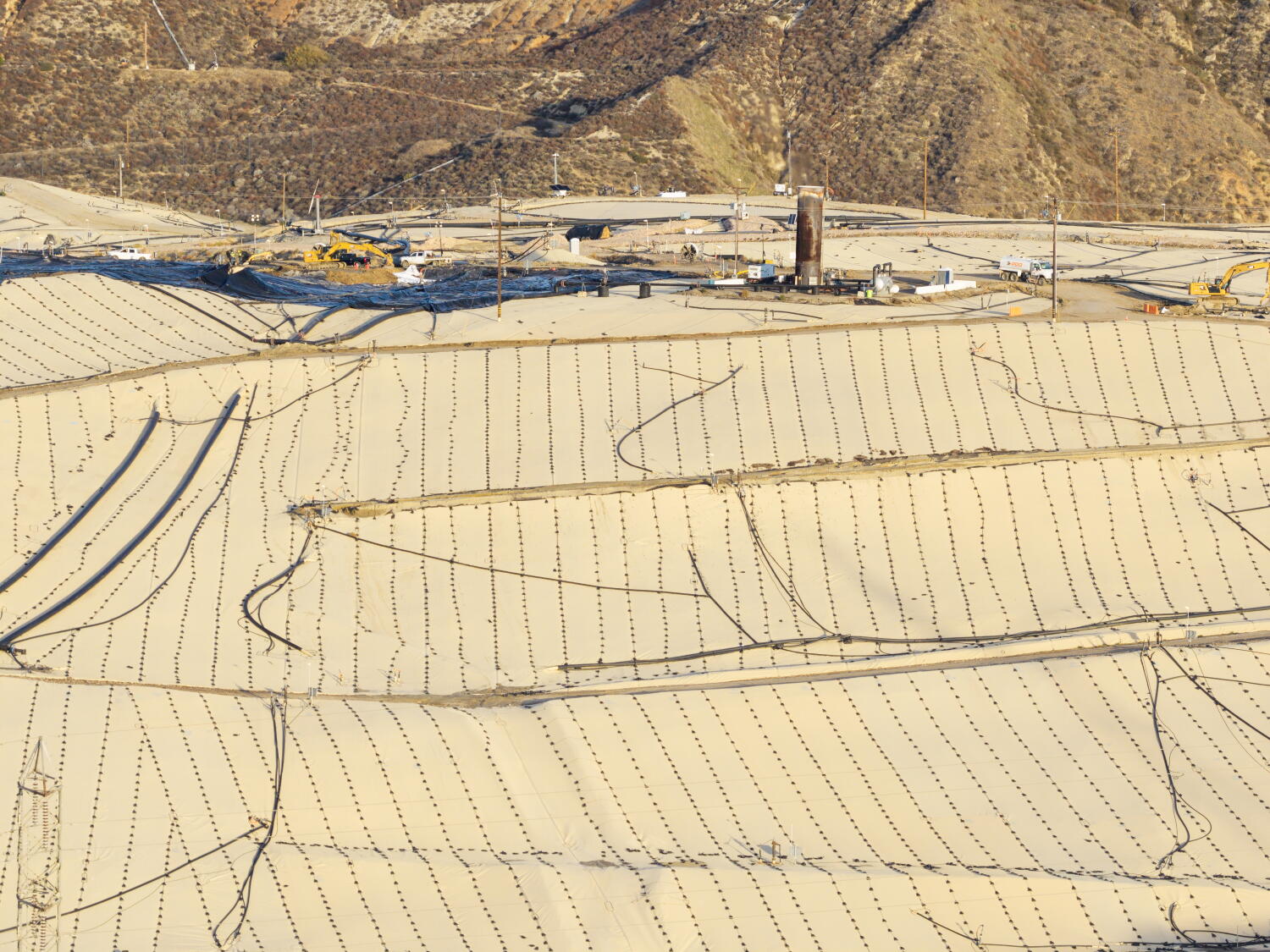
Val Verde residents didn't need another warning. For years, they've lived with the sickening stench, the chronic headaches, and the quiet dread that something beneath their feet was deeply wrong. Then came a mid-November morning that turned abstract environmental anxiety into raw, terrifying reality. A drilling operation meant to tame an underground chemical reaction instead punched into a pressurized pocket of gas, sending a towering, multi-hundred-foot geyser of decomposing garbage and toxic debris shooting straight into the Castaic sky.
It wasn't an isolated accident. It was the explosive climax of a silent catastrophe that has been brewing for years at the Chiquita Canyon Landfill. While operators scrambled to cap the leak and officials insisted air monitors detected no immediate threat, the community's trust evaporated completely. Los Angeles County finally declared a local emergency, but for the people breathing that air, government red tape arrives far too late.
Why Landfills Act Like Boiling Pressure Cookers
Most people think landfills are just quiet, static mounds of trash where decomposition happens slowly over decades. That's a dangerous misconception. When millions of tons of organic waste sit tightly packed without oxygen, anaerobic bacteria go to work. They generate massive amounts of methane and heat.
At Chiquita Canyon, which stopped accepting waste in early 2025, that process went dangerously rogue. An underground exothermic reaction—essentially a slow-motion, subterranean fire fueled by trapped heat and chemical imbalances—turned the interior of the landfill into a pressurized industrial boiler. When crews drilled down to install relief wells, they didn't just release gas; they uncorked a monster.
It's a phenomenon that experts are seeing at an alarming number of sites nationwide. At least ten other landfills across the United States have suffered similar overheating events over the last two decades. Chronic exposure to the resulting emissions isn't just about bad smells. Residents near these troubled sites frequently report severe nausea, debilitating nosebleeds, and persistent respiratory distress.
The Illusion of Rapid Containment
When the geyser erupted, emergency responders rushed to the scene, hazmat crews suited up, and four workers ended up hospitalized for evaluation. Officials were quick to point out that air monitoring equipment showed levels below state health thresholds.
Numbers on a regulatory spreadsheet don't erase the lived experience of families whose homes smell like a chemical plant. Operators like Waste Connections face intense legal scrutiny, including lawsuits from the California Attorney General's office over hazardous waste violations. Yet, corporate assurances ring hollow when you've spent years losing sleep over whether opening your window will make your children sick.
The county's emergency declaration forces a pivot toward direct relief—deploying mental health support groups, demanding transparent reporting, and pushing for temporary housing options. Congressman George Whitesides and local supervisors are pushing for federal intervention through the EPA, but regulations and oversight committees won't cool down a subterranean reaction.
Where Southern California Goes From Here
This crisis exposes a brutal blind spot in modern waste management. We are terrible at managing the afterlife of mega-landfills once they close. The infrastructure built to handle gas extraction and toxic liquid runoff—known as leachate—is frequently overwhelmed by the sheer scale of modern waste composition, which now includes everything from standard refuse to industrial byproducts and electronic waste components.
If you live anywhere near a major landfill footprint, don't wait for an emergency alert to take your indoor air quality seriously. Invest in heavy-duty air purifiers with genuine medical-grade carbon filters capable of capturing volatile organic compounds, not just basic dust. Keep emergency bags packed and stay plugged into local community action groups rather than relying solely on corporate press releases.
The trash geyser in Castaic is a warning shot for the entire region. Burying our waste out of sight no longer means keeping it out of mind.
A Look Inside the Chiquita Canyon Landfill Response
This video provides an on-the-ground look at the emergency response and containment efforts following the massive gas eruption at the Castaic landfill.