An alarm goes off at a municipal water storage tank. Suddenly, a routine Tuesday feels like a thriller.
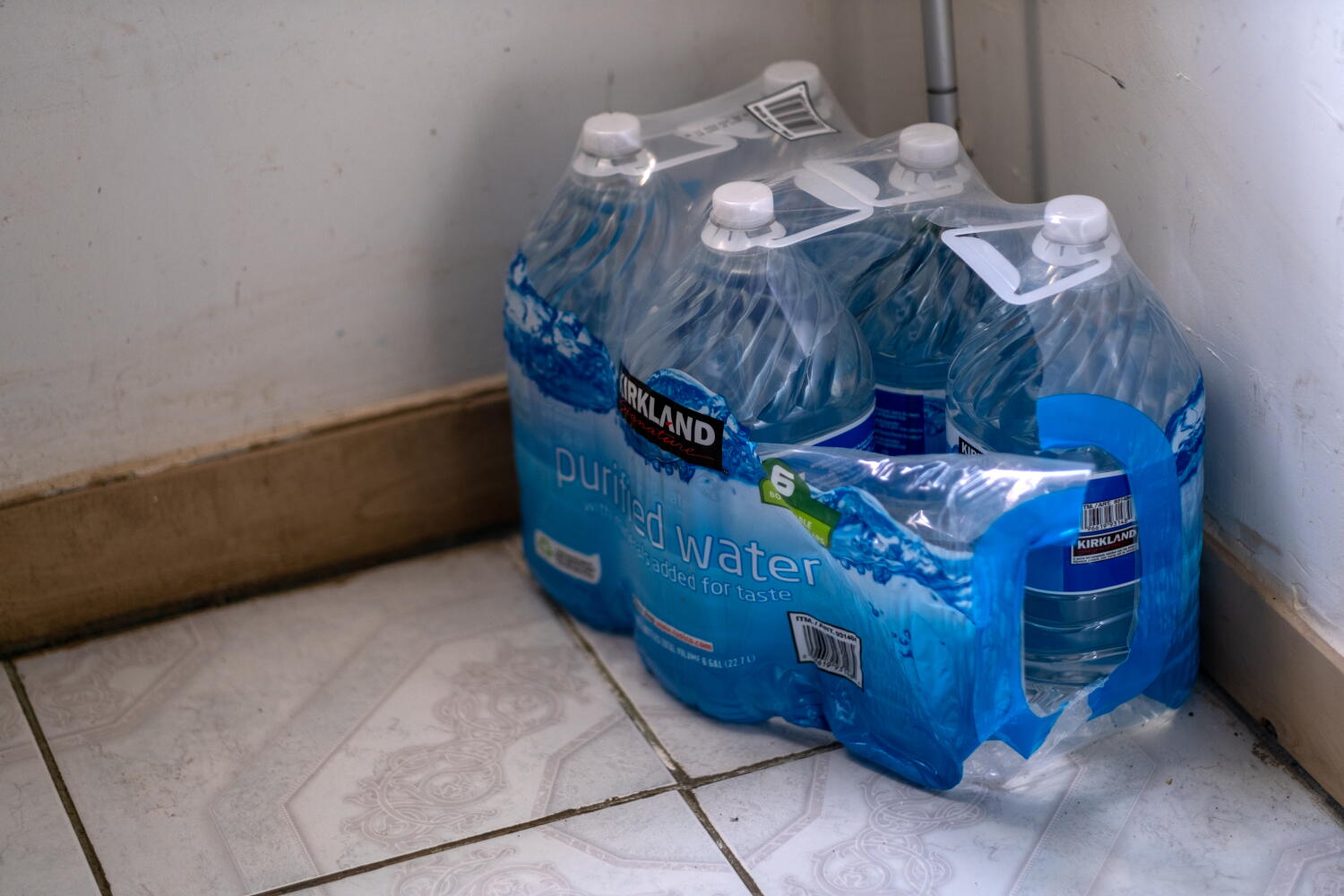
When reports surface that a California city fears a trespasser dropped an unknown substance into a water storage tank, people don't wait for lab results to start worrying. They check the tap. They open bottled water packs. They wonder if a single person with bad intentions or careless curiosity just compromised the neighborhood supply.
Here is the honest truth from watching how municipal water emergencies unfold: an alarm pointing to a possible trespasser is scary, and it deserves immediate attention, yet an alarm is a warning signal, not proof of contamination. Still, treating a water contamination scare like a false alarm before testing finishes is a mistake no utility operator or resident wants to make.
Why a Water Storage Tank Scare Hits So Hard
Water is personal. You drink it, cook with it, brush your teeth with it, and give it to your kids and pets without thinking twice.
That invisible trust is why any hint of a water storage tank breach sets off immediate anxiety. Unlike a power outage where you can see dark windows and hear generators humming, water tampering feels hidden. You can't smell every chemical or spot every biological threat just by running the faucet for ten seconds.
From an operational standpoint, storage tanks sit in a tricky spot in public infrastructure. Reservoirs and elevated or ground-level tanks hold treated water ready for distribution, often tucked near hills, open space, or quiet edges of town where perimeter fencing can be tested by determined intruders or wildlife. A sensor tripping or a hatch alert sounding tells operators that something happened near or on the structure—not necessarily what got inside, or even if anything entered the water column at all.
Alarms, Trespassers, and What Happens Behind the Scenes
When a possible trespasser trips an intrusion alarm or security alert at a water facility, utility crews don't just shrug and go back to coffee. Good operators follow strict emergency protocols.
First, they verify perimeter security and check physical access points, hatches, vents, and cameras if available. Second, they isolate or monitor affected zones when system hydraulics allow it, while coordinating with local law enforcement and environmental or public health agencies. Third, they pull water samples for testing—checking chlorine residual, pH, turbidity, and targeted contaminants depending on what the alert or site conditions suggest.
Notice how many moving parts exist in those first few hours. A security sensor can trigger from a climbed fence, an unlocked or rattled hatch, a fallen branch, or an actual person on-site. And even if someone did trespass, getting a substance into a closed municipal tank isn't always as simple as movies make it look—though physical security lapses do happen, which is why utilities treat perimeter breaches seriously until proven harmless.
- Chlorine residual checks offer a fast early clue because many chemical or organic inputs react with free chlorine, causing levels to drop unexpectedly.
- Physical inspection helps spot tampered locks, propped hatches, spilled containers, or footprints around the tank apron.
- Lab and field water quality testing separates rumor and fear from hard facts, even though thorough lab analysis takes time.
- Public advisories (like boil water notices or "do not drink" warnings) are issued when officials believe public health could be at risk or while confirming safety.
What People Get Wrong During Water Contamination Scares
Honestly, the biggest danger during a water contamination scare isn't always the water—it's panic-driven bad decisions.
One common mistake is assuming boiling water fixes everything. Boiling kills bacteria, viruses, and parasites. It does not remove chemical contaminants, heavy metals, or certain toxins, and boiling volatile chemicals can sometimes release fumes into your kitchen. Unless officials specifically issue a boil water order for biological contamination, boiling water on your own might not solve the problem you're worried about.
Another mistake is hoarding endless cases of bottled water while ignoring official updates from the city or water agency. Rumors move fast on social media. A single unverified post on a neighborhood forum can turn "alarm indicates possible trespasser" into "poison confirmed in the main line" within twenty minutes.
- Don't guess what's in the water based on social media threads.
- Don't assume household pitcher filters stop chemical or microbiological threats.
- Don't flush pipes blindly if the utility advises against using water while pressure or containment is being evaluated.
How Municipal Water Protection Actually Works
If you've ever wondered how cities keep millions of gallons safe day after day, the system relies on layers rather than a single lock.
Utilities use treatment barriers, disinfectant residuals throughout the distribution network, SCADA monitoring systems that track pressure, flow, and water quality metrics, and physical security controls like fencing, lighting, motion sensors, and hatch alarms. Agencies like the U.S. Environmental Protection Agency and the California State Water Resources Control Board set regulatory standards and emergency response expectations for public water systems.
That doesn't mean every tank is invincible. Older facilities, remote sites, or tight municipal budgets can create weak spots. When a scare happens, it exposes just how much public confidence depends on clear, calm communication from officials. If a city stays quiet too long, people fill the silence with their worst fears. If a city overstates unconfirmed risks, people panic unnecessarily. Finding that balance is tough, and utilities don't always nail it on the first try.
Practical Next Steps If a Water Scare Hits Your Area
If your city or a neighboring California community deals with a water storage tank intrusion alert or unknown substance scare, take practical steps right away instead of spiraling.
- Check official city or water utility channels first. Look at your municipal water department's website, verified alerts, or local emergency management updates—not secondhand screenshots.
- Follow exact advisory instructions. If there's a "do not drink" or "do not use" order, stick to it strictly for drinking, cooking, brushing teeth, and pets until officially lifted.
- Keep a modest emergency water reserve at home. Having a few gallons of sealed water per person on hand makes sudden alerts far less stressful, whether the cause is a security scare, a main break, or a wildfire shutoff.
- Watch for official lifting notices and flushing guidance. Once officials clear the water, follow any recommended tap-flushing steps before going back to normal routine.
Stay calm, verify the source, and wait for real test results before jumping to conclusions.