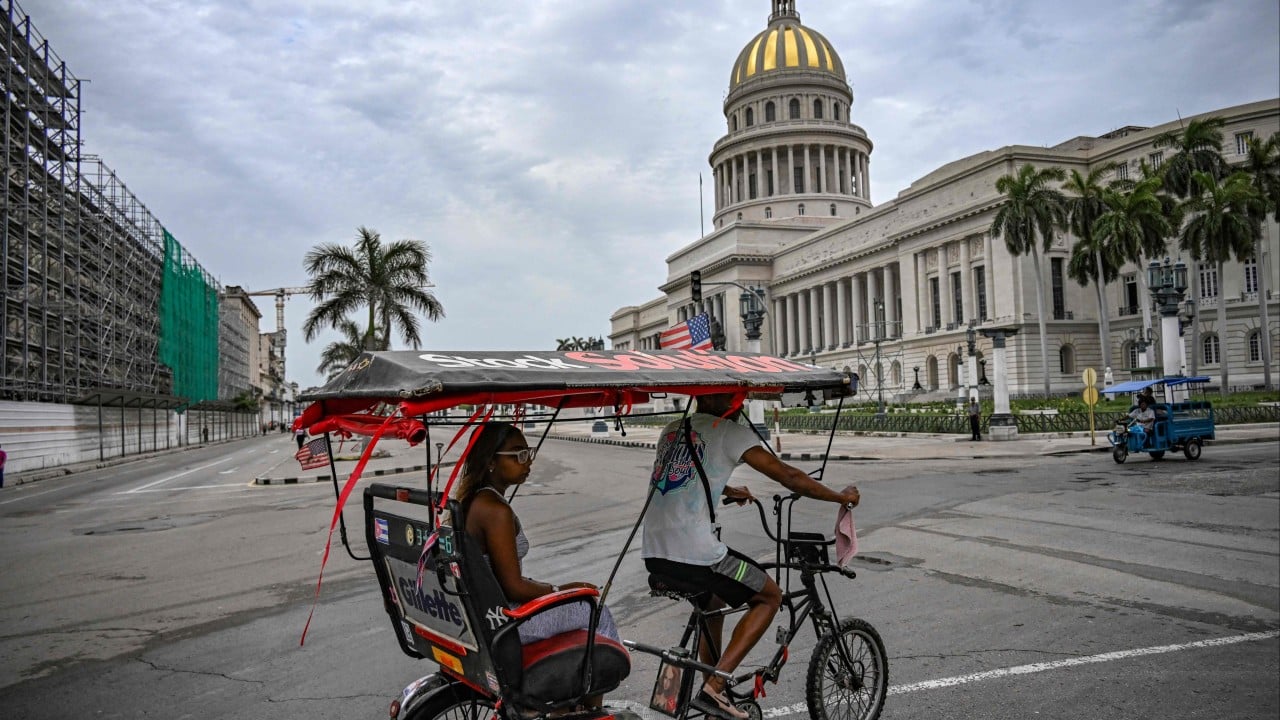
Walk down the famous streets of Old Havana today, and you will notice an eerie silence. The vintage cars are still there, and the pastel facades remain, but the crowds have vanished. Cuba just announced a staggering reality: nearly three-quarters of its hotels are officially closed.
Prime Minister Manuel Marrero broke the silence on the tourism crisis, confirming that 73 percent of the island's hotel capacity is shut down. For an economy that relies on tourism as its second-largest source of foreign currency, this isn't just a rough patch. It is an outright freefall.
What is Driving the Mass Hotel Closures
Tourism doesn't dry up overnight by accident. Cuba's hospitality sector is taking hits from multiple directions at once, creating a compounding disaster that standard travel advisories barely capture.
Fuel shortages sit at the heart of the operational collapse. Without reliable energy, running massive resort properties becomes practically impossible. Rolling blackouts, coupled with severe restrictions on aviation fuel, forced international carriers from Canada, Europe, and Russia to scale back or entirely suspend their routes to the island.
Then came the corporate exodus. Major international hotel chains are packing up and leaving. Spanish hotel giant Meliá recently ceased operations across all 34 of its properties on the island, following intense pressure from tightened U.S. sanctions targeting military-linked conglomerates like GAESA and the Cuban Ministry of Tourism. When legal and financial risks outweigh profit margins, corporate giants walk away.
The Human Cost Behind the Statistics
Numbers on a page rarely capture the reality on the ground. Behind that 73 percent closure rate are roughly 25,000 hospitality workers abruptly thrust into a vulnerable financial position.
Before this escalation, over 300,000 people relied directly on tourism for their livelihoods. Private casa particular owners, restaurant operators in Havana, and resort workers in keys like Cayo Santa María are watching their customer base evaporate. When international payment systems like Visa and Mastercard face disruptions and flights stop landing, the local micro-economy starves of hard currency.
Where Cuba Goes From Here
Government officials are trying to project optimism, floating ideas of letting domestic and international investors take over abandoned management contracts. But fixing a broken tourism engine requires more than a change in management names.
Airlines need fuel. Visitors need reliable power grids. Foreign partners need legal stability. Until those fundamental pieces change, Cuba's once-booming Caribbean paradise will remain quiet, empty, and shuttered.