Powering a research station on the earth's coldest continent usually means burning endless drums of diesel. Antarctica doesn't care about your carbon footprint. It tests mechanical endurance with minus 80 degree Celsius winter temperatures and hurricane-force winds screaming past 200 kilometers per hour.
Yet, Beijing has drawn a hard line in the ice. China wants its Antarctic research stations running entirely on renewable energy by 2035.
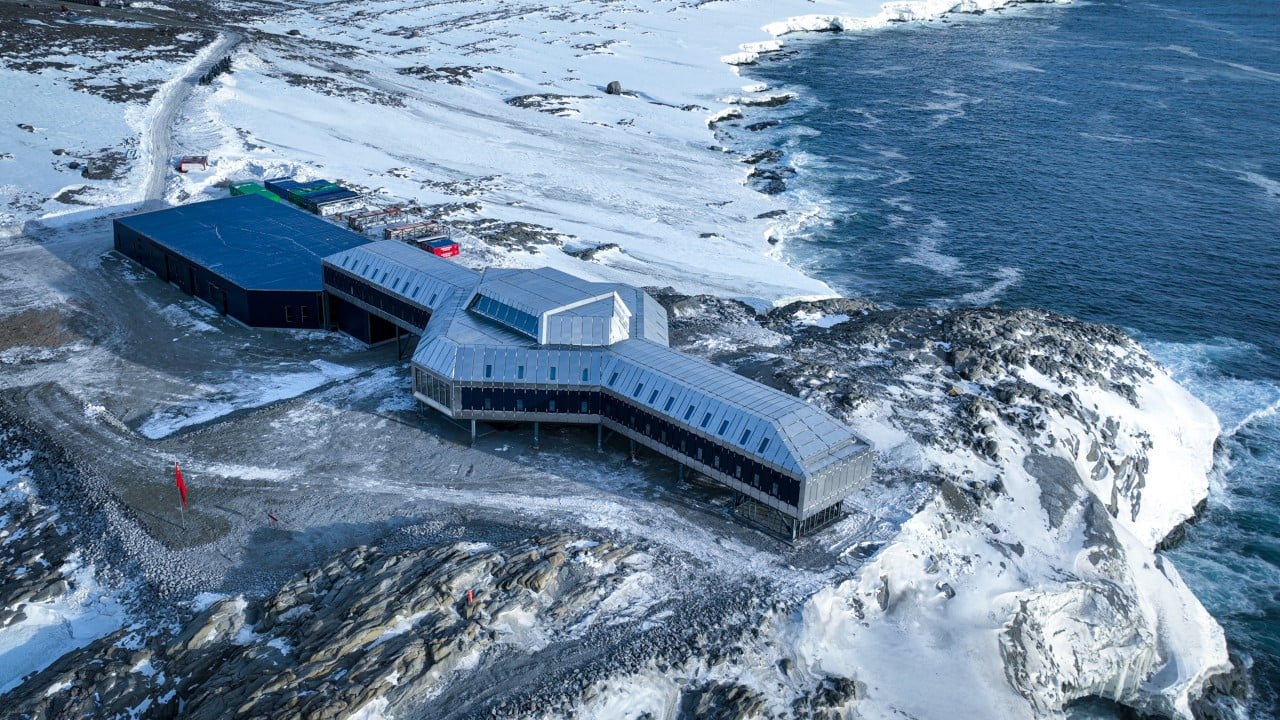
Most observers write this off as green propaganda. They shouldn't. When you look at the engineering reality unfolding at stations like Qinling, a quiet transformation is already happening at the bottom of the world.
The Real Energy Problem at the End of the Earth
If you run a base in Antarctica, energy security equals survival. Historically, stations relied heavily on shipped diesel fuel. Hauling fossil fuels across thousands of miles of violent southern oceans is expensive, logistically nightmarish, and ecologically risky. Spills or fuel degradation happen.
Enter the hybrid microgrid. China's Qinling Station launched a pioneering setup that combines wind turbines, solar panels, low-temperature batteries, and hydrogen storage.
It sounds simple on paper. In practice, building a wind turbine that can survive an Antarctic blizzard without shattering its blades requires material science most consumer tech never touches. Taiyuan University of Technology engineers built specialized polar research labs to simulate these exact environments. They tested equipment under artificial snowstorms and minus 50-degree cold chambers before sending hardware south.
The results speak for themselves. Qinling's current system already meets over 60 percent of its energy demand using renewables. That cuts annual fossil fuel consumption by more than 100 tonnes.
How Hydrogen Solves the Polar Night Nightmare
The biggest hurdle to renewable energy in Antarctica isn't the cold. It's the darkness.
During the polar winter, the sun disappears for months. Wind can be fickle too, leaving microgrids dead in the water when atmospheric pressure stalls. You cannot just tell scientists to freeze in the dark because the wind stopped blowing.
To fix this, engineers integrated a hydrogen storage loop. During peak generation cycles when wind and solar overproduce, excess electricity runs through electrolyzers to generate hydrogen. When a sunless, windless multi-week polar night settles in, hydrogen fuel cells kick on.
Data from the station trials show the hydrogen setup can pump out 30 kilowatts of uninterrupted electricity for up to 14 days straight during deep winter blackouts. Paired with 300-kilowatt-hour low-temperature storage batteries handling shorter gaps, the base relies less and less on its backup diesel generators.
Scaling Up to the 2035 Target
Pushing from 60 percent renewable penetration to a full 100 percent across all Chinese Antarctic installations by 2035 sounds aggressive. It is.
Other national programs watch these deployments closely. Operating in Antarctica is governed by strict environmental protocols under the Antarctic Treaty system. Every drop of diesel saved means fewer emissions released near pristine glacial ecosystems. Other nations like the US, Australia, and various European operators are also hunting for ways to green their remote outposts, but China's aggressive hardware deployment timeline is setting a rapid pace.
The strategy relies on standardizing these microgrids. Once you figure out how to package wind, solar, and hydrogen modules for extreme cold, replication becomes easier. Engineers plan to roll out similar modular energy architectures to older stations like Great Wall and Zhongshan over the next decade.
What This Means Beyond the Ice
Why should you care about power grids in a frozen wasteland? Because if you can build a 100 percent renewable, self-sustaining microgrid that survives an Antarctic winter, you can build one anywhere.
The harsh environment serves as the ultimate stress test. Lessons learned from keeping batteries functional at minus 50 degrees translate directly to grid storage design in high-altitude mountain regions or remote off-grid communities globally.
China's 2035 target isn't just about PR points on the global stage. It is an engineering trial by frost. If the tech holds up against the worst weather Earth can throw at it, fossil fuels on the white continent are officially on borrowed time.