Europe spent years learning a brutal lesson about energy dependency. When traditional supply lines shatter overnight, factories stall and winter heating bills skyrocket. That is why trade diversification isn't just a buzzword anymore—it's survival. As policymakers look across the Atlantic, Canada emerges as a primary contender to stabilize European power grids. But can Ottawa actually deliver what Brussels needs, or are we looking at empty promises?
Let's look at the actual math. For decades, Canadian energy exports flowed almost exclusively south into the United States. It was the path of least resistance. Pipelines crossed the border, contracts locked in steady buyers, and everyone was comfortable. Then trade tensions flared, tariffs threatened bilateral agreements, and Canadian leadership realized that keeping all their oil and gas in one basket was a massive risk. Trade diversification became the immediate priority.
Enter the European Union. Desperate to replace unreliable hydrocarbons from volatile regions, European nations started looking for stable democratic partners. Analysts note that Canada can offer a more reliable route for energy exports to the EU compared to traditional suppliers plagued by geopolitical instability. Last year already showed a measurable uptick in oil and gas shipments moving from Canadian ports toward European terminals.
The Logistics Problem Nobody Wants to Talk About
Shipping energy across an ocean sounds easy in a press release, but the physical reality is brutal. Canada has vast natural resources, yet moving them from western reserves to eastern export hubs requires massive infrastructure. Pipelines take years to approve, face fierce environmental opposition, and cost billions.
If you want to understand why progress feels slow, look at the regulatory hurdles. Environmental assessments, Indigenous consultations, and funding disputes routinely drag projects out for a decade. Even when political leaders sign high-profile deals in Brussels or Berlin, the physical concrete and steel take time to materialize.
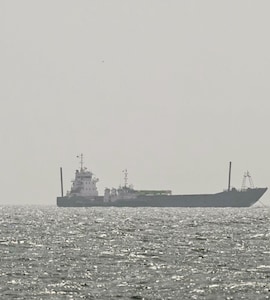
Liquefied natural gas, or LNG, offers a faster workaround via shipping terminals on both coasts. Instead of waiting for endless pipelines, companies can liquefy gas, load it onto tankers, and send it straight across the Atlantic. Yet, competition for these tankers is fierce, and European terminals must constantly upgrade their own regasification capacity to handle the incoming volume.
Geopolitics Forces Ottawa’s Hand
You can't separate energy exports from global politics. When protectionist tariffs hit Canadian goods, Ottawa had to pivot fast. Aligning closer with European markets provides a diplomatic shield and economic leverage. It tells southern neighbors that Canada has options.
Dr. Walaa-Eldeen Bakry, an expert in project management and finance at Westminster Business School, points out that strategic policy shifts are driving these new commercial corridors. When leaders actively reshape trade routes, commercial markets follow. European utilities are now signing long-term purchase agreements that make Canadian extraction projects financially viable for private investors.
Private capital hates uncertainty. But when the European Commission guarantees long-term demand, banks feel comfortable backing multi-billion-dollar resource projects in northern regions. That institutional backing changes the game entirely.
What Needs to Happen Next
If Canada wants to cement its role as Europe's premier energy partner, a few hard choices lie ahead.
- Streamline environmental reviews without ignoring community rights.
- Expand port infrastructure on the Atlantic seaboard to handle heavy tanker traffic.
- Secure long-term pricing structures that protect against sudden global market crashes.
The window of opportunity is wide open right now. Europe needs stable energy, and Canada has it in abundance. Bridging that gap takes capital, political will, and a willingness to ignore short-term noise for long-term security. The infrastructure is catching up to the ambition, and the transatlantic energy bridge is finally shifting from theory to reality.
Watch how trade agreements evolve over the next twelve months. The countries that lock down secure supply lines today will dictate industrial pricing for decades.
Canada energy exports to the EU report
This video provides an expert breakdown of how Canada is diversifying its trade policies to supply energy to European markets.
http://googleusercontent.com/youtube_content/1