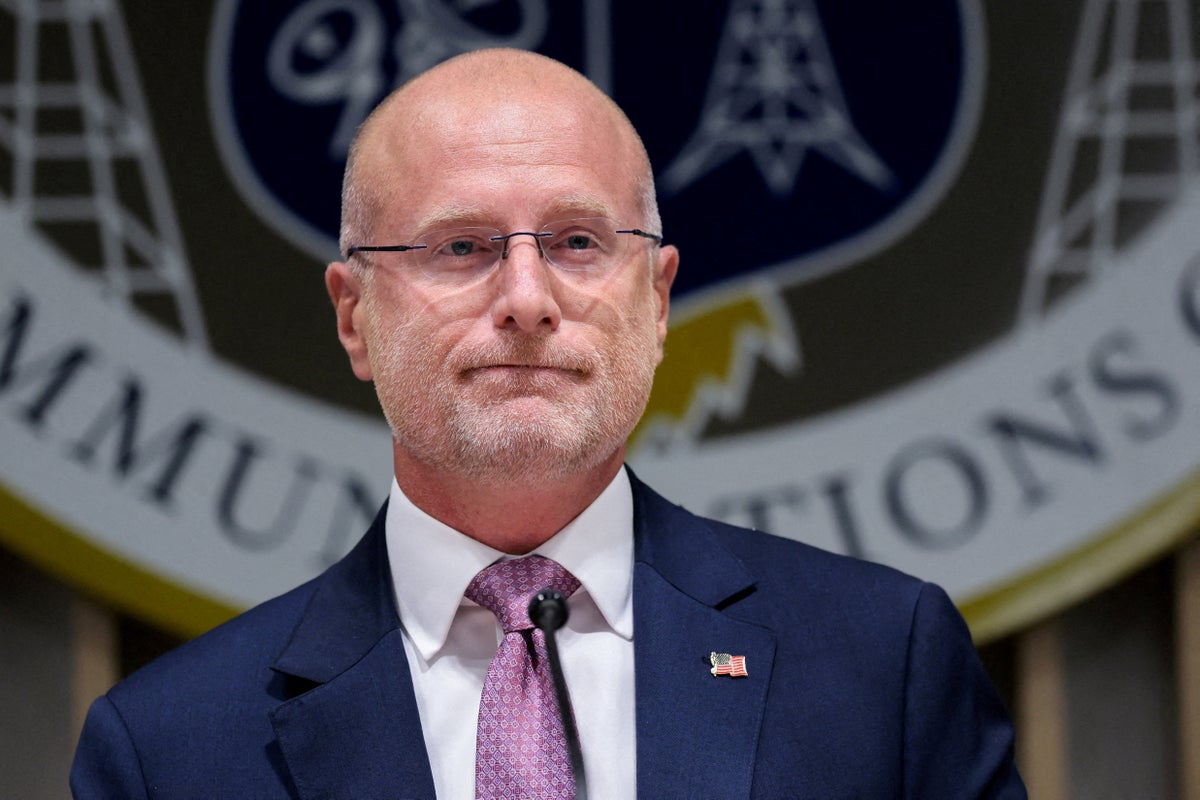
The Federal Communications Commission was long considered a boring, backwater agency. It handled spectrum auctions and cable licensing, mostly staying out of the headlines. That era is officially over. Under Chair Brendan Carr, the agency has moved from a technical regulator to a central figure in political and media battles.
Newly released calendar logs, obtained through a Freedom of Information Act lawsuit, show exactly how that happened. These records aren't just dry scheduling notes. They map out a direct, high-frequency channel between the FCC and the current administration.
When you look at the logs, you don't see a regulator keeping its distance. You see a collaborative relationship. Carr attended at least eight meetings at the White House between March 2025 and February 2026. He held direct calls with high-level officials, including Chief of Staff Susie Wiles. He even had a direct conversation with Health Secretary Robert F. Kennedy Jr.
The Myth of Agency Independence
Most people assume federal commissions operate in a bubble. They’re supposed to be non-partisan, technical bodies that function regardless of who sits in the Oval Office. That’s the theory, anyway.
Carr has made it clear he doesn't subscribe to that version of reality. He has openly rejected the idea that the FCC should act as an independent entity, pointing out that the president has the authority to remove commissioners. This isn't just rhetoric. It's a fundamental change in how the agency approaches its own mission.
The documents back this up. We see meetings about "FAA/Spectrum issues" and sessions on drones. We also see him meeting with Department of Justice officials regarding antitrust matters. This isn't just about managing radio waves anymore. It’s about aligning the agency’s priorities with the executive branch’s agenda.
Media Relations and Regulatory Pressure
The most striking part of these records involves Carr’s interaction with major media players. He didn't just meet with government officials. He spent significant time with leaders in the broadcast industry.
In January 2026, he met with Fox Corporation CEO Lachlan Murdoch and other senior executives from the network. He also sat down with Sinclair Broadcast Group Chairman David Smith. At the same time, the agency has taken a harder line against other networks.
Consider the ongoing friction with ABC. After President Donald Trump and Melania Trump criticized a joke made by Jimmy Kimmel, the FCC directed ABC to file for early license renewals for its local stations. Coincidence? Maybe. But critics—and now a lawsuit from ABC—don't think so. When a regulator has deep, private ties to one side of the media landscape while applying pressure to the other, people start asking questions about the fairness of the game.
Why The Documents Matter Now
The advocacy organization Democracy Forward fought to get these documents public for a reason. They wanted to see if political relationships were swaying regulatory outcomes.
What they found was a chair who is arguably more plugged into the West Wing than any of his predecessors. It’s not just the frequency of the meetings; it’s the nature of them. The logs show a level of integration that makes the "independent" label feel outdated.
We also see how Carr handles the media circus surrounding his own job. Internal emails show him proactively pitching himself to shows like Fox & Friends. He’s not hiding from the spotlight. He’s using it. When protesters called for his firing, he didn't retreat. He joked about responding with the "Trump dance."
What Happens Next
If you’re watching the media or telecommunications sectors, this is the reality you’re working with now. The FCC isn't a neutral arbiter. It’s an active player.
Regulatory decisions in 2026 and beyond will likely reflect this reality. Expect more pressure on legacy media networks. Expect fewer apologies for aligning with the administration’s policy goals. If you have business before the commission, don't expect a quiet, technical process.
The days of assuming the FCC is just looking at engineering specs are done. The agency is now a political instrument. You should adjust your strategy accordingly. Keep a close eye on the license renewal schedules and public statements from the chair. These are the indicators that actually matter now. The old rules of engagement have been rewritten. Don't get left behind.