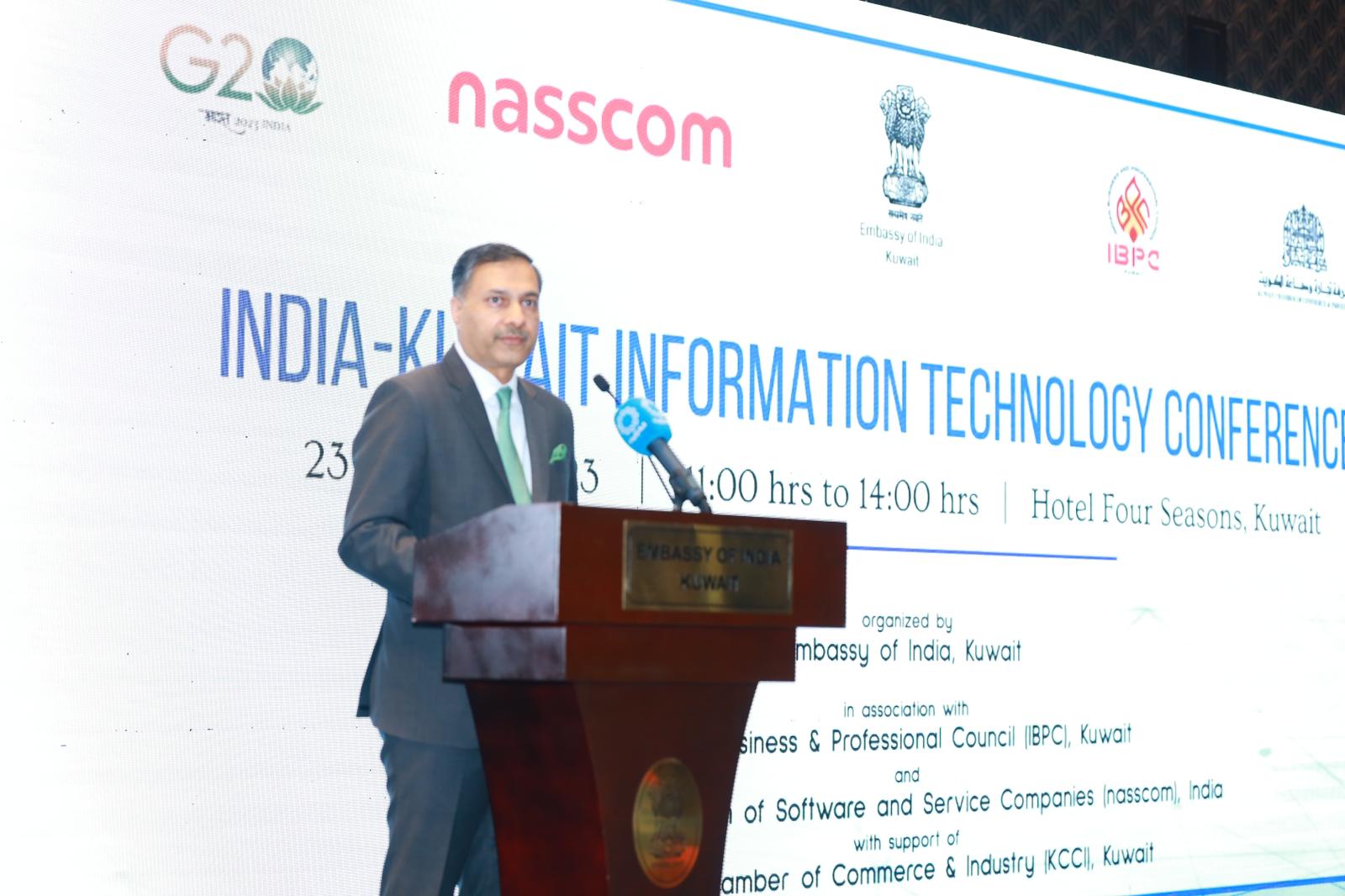
Diplomacy is rarely about grand gestures. It’s usually about the slow, steady work of showing up. This week, Indian Ambassador to Somalia Adarsh Swaika officially presented his Letter of Credence to President Hassan Sheikh Mohamud at Villa Somalia in Mogadishu.
While the ceremony itself might seem like standard diplomatic protocol, it signals something much more significant. It’s a quiet recalibration of India’s presence in the Horn of Africa. If you look past the headlines, this isn't just about a new envoy; it’s about a deliberate attempt to deepen ties in a region that’s been shifting for years.
Why this connection matters now
You might wonder why a formal ceremony in Mogadishu carries weight for New Delhi. Honestly, the answer lies in geography and trade. The Indian Ocean has been a conduit for commerce for centuries. Indian traders were sailing these routes long before modern borders were drawn.
Today, that history is being repurposed. India is looking to expand its economic and security footprint, and Somalia sits at a strategic intersection. With a renewed focus on multi-sectoral cooperation, the goal is to move beyond casual trade into structured, long-term partnerships. We’re talking about capacity building, healthcare, and education—areas where India has spent the last decade positioning itself as a reliable partner for developing nations.
A history of fits and starts
It hasn't always been a straight line. Diplomatic relations between the two countries date back to 1960, right after Somalia gained its independence. For a long time, the relationship was managed from afar, often with the Indian Commissioner to Mauritius holding concurrent accreditation.
Things changed drastically in 1991. The outbreak of the Somali Civil War forced the closure of the Indian Embassy in Mogadishu, pushing bilateral engagement into a long, difficult hibernation. For years, the High Commission of India in Nairobi acted as the primary point of contact. That long period of remote management is finally fading. By formalizing this current diplomatic step, both nations are acknowledging that the "Nairobi-only" model for Somali engagement is no longer enough.
The personal touch in statecraft
Diplomacy thrives on personal familiarity. President Hassan Sheikh Mohamud isn't exactly a stranger to India. He attended the 3rd India-Africa Forum Summit in New Delhi back in 2015, where he met Prime Minister Narendra Modi.
More interestingly, he has personal ties to India through his education. During a visit to Bhopal, he was conferred an honorary doctorate by Barkatullah University, making him an alumnus of an Indian institution. These aren't just trivia points. They represent "soft power"—the kind of influence that makes future negotiations smoother. When a head of state has a personal history with the country they are dealing with, it changes the dynamic of the room.
What to watch next
Don’t expect massive, headline-grabbing treaties overnight. That’s not how this works. Instead, keep an eye on:
- Institutional partnerships: Look for more collaboration in educational exchanges and vocational training.
- Security frameworks: As maritime security remains a top concern in the Indian Ocean, expect quiet, ongoing discussions about regional stability.
- Business delegation visits: Increased official representation usually paves the way for private sector interest in infrastructure and retail.
The presentation of these credentials is the baseline. It allows for a more active, on-the-ground presence in Mogadishu. For years, the story of India-Somalia relations was defined by distance and limited access. That’s clearly changing. As India continues to pivot toward its "Global South" agenda, Somalia is becoming a test case for how well it can translate historical goodwill into modern, tangible influence.
The real work starts after the handshakes. We’ll see how quickly these diplomatic signals turn into concrete projects on the ground.