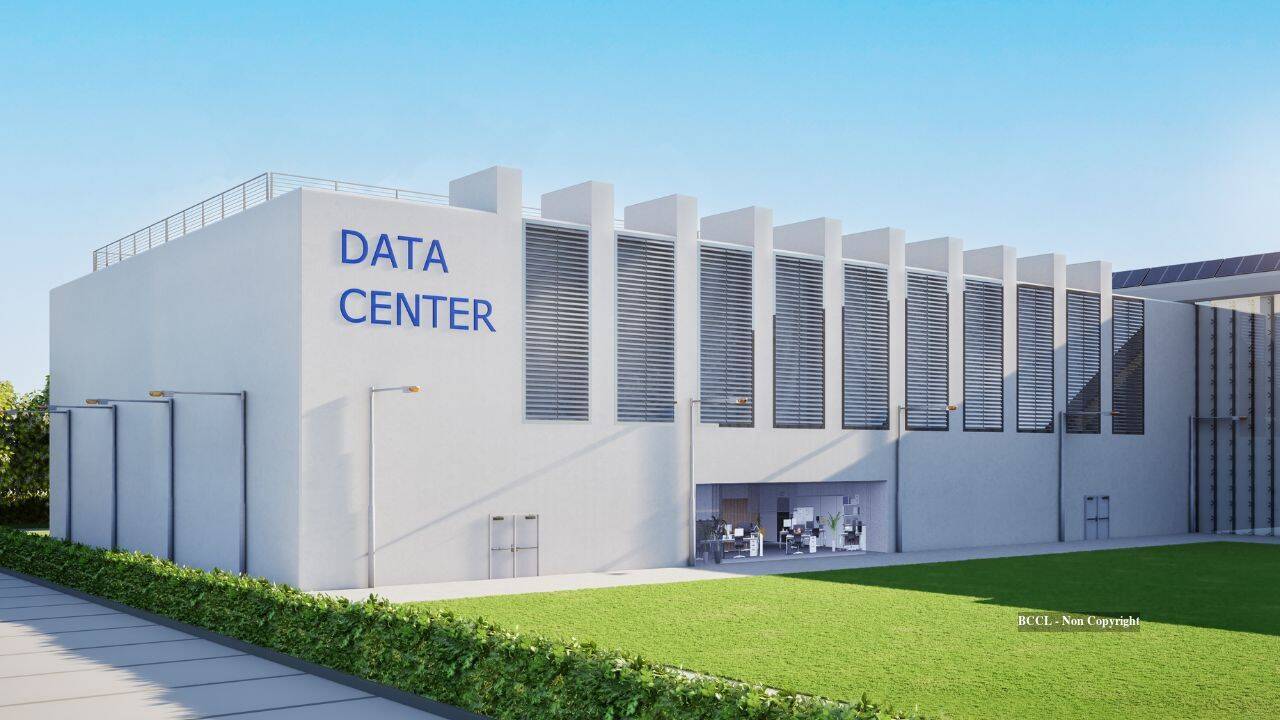
Big tech power hunger is colliding with rural Tennessee. An 850-acre property near the Hiwassee River in Bradley County is at the center of a massive battle. Local developers want to turn agricultural land into a mega industrial zone. They call it Project River. You call it a massive headache if you live nearby.
The Wright family, owners of Wright Brothers Construction, wants to rezone and annex roughly 850 acres west of Interstate 75 and north of Old Lower River Road. They envision an $11.3 billion energy and industrial complex. The main draw? Up to 1,500 megawatts of on-site electricity generation designed to feed a massive data center or energy-hungry manufacturing plant. Recently making waves in related news: Why Aliko Dangote Is Betting Billions On Africa S Biggest Ipo Ever.
Residents aren't buying the sales pitch. They're pushing back hard ahead of crucial planning commission and city council votes in Cleveland, Tennessee.
The Power Plan Behind Project River
Most industrial projects plug into the local utility and cross their fingers. Project River does the exact opposite. The developers plan to generate their own electricity right on site. Further information on this are covered by The Economist.
The breakdown includes:
- A 500-megawatt woody biomass facility running on regional pine trees and timber scraps.
- Two natural gas plants packing a combined 1,000-megawatt capacity.
- A backup grid tie-in to the Tennessee Valley Authority for up to 360 megawatts.
Developers argue this setup protects local homeowners. They claim the campus won't siphon power from the local grid or hike your monthly electric bill. Supporters also point to the timber market boost. The biomass plant could inject fresh demand into local forestry operations and keep logging trucks moving.
But look closer at the numbers. Burning thousands of tons of wood chips and running dual natural gas plants creates massive emissions. Critics want hard data on air quality, ash disposal, and continuous noise pollution. A power station running 24/7 next to a peaceful river valley changes the acoustic profile overnight.
The Ghost Tenant Problem
Data centers are the ultimate wildcards in modern infrastructure. Everyone knows tech giants need massive facilities for cloud computing and artificial intelligence workloads. They suck up water and electricity like industrial sponges.
The catch? Project River doesn't have a signed tenant yet.
Developers admit a data center is the most likely customer, but no contract exists. They argue they're building the infrastructure first to attract high-tech manufacturers, robotics companies, or semiconductor plants later.
Residents smell trouble in that uncertainty. You're asking a community to approve massive zoning changes and annexation before they even know who's moving in. Is it a clean robotics facility? Or is it a roaring server farm with endless cooling fans humming across the county line? Without a named operator, nobody can accurately gauge noise levels, security demands, or water usage.
What Happens to the Hiwassee River?
The Hiwassee River isn't just a drainage ditch. It's a lifeline for boating, fishing, and weekend recreation across Bradley County.
Property owners and local business operators worry about construction runoff, chemical storage, and ecological disruption. Developers insist they won't pull daily operational water from the river or build discharge pipes into the current. They promise zero municipal water usage.
Even so, trust is wearing thin. Detailed environmental, ecological, and traffic impact studies take months to complete. When local politicians rush toward initial annexation and rezoning votes, trust evaporates. People want answers before concrete gets poured, not after.
What You Should Watch Next
If you're tracking local land use battles or the rapid expansion of data infrastructure across the American South, pay attention to the Cleveland city council timeline. These preliminary votes set the legal framework. Once agricultural land becomes industrial territory, turning back the clock is nearly impossible.
Check local planning agendas. Demand full environmental reviews before your city signs off on speculative mega-campuses. If developers want billions in industrial freedom, they can afford complete transparency first.