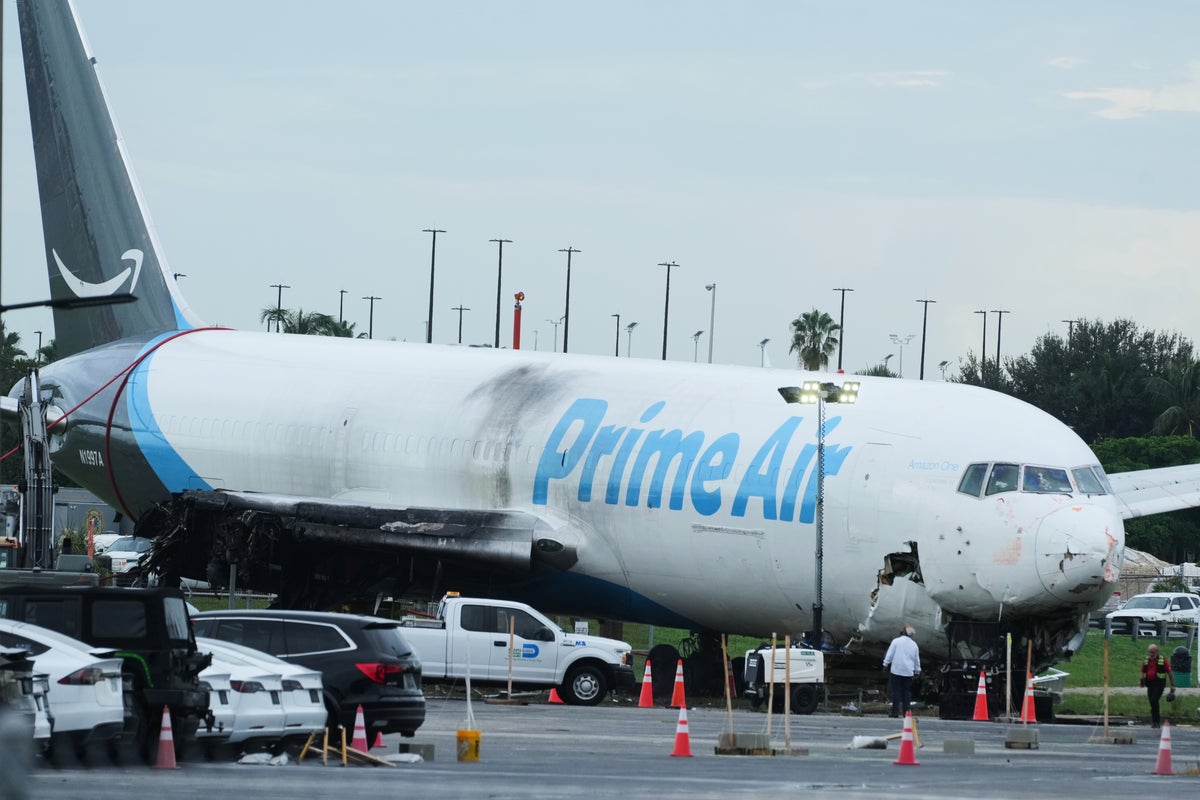
When a multi-trillion-dollar logistics machine meets a fatal operational disaster, corporate distance happens fast. Amazon has officially suspended its cargo partnership with 21 Air following a horrifying runway crash in Miami that claimed five lives.
If you track how e-commerce giants handle subcontractor risk, this swift move shouldn't shock you. But the underlying questions about outsourced air freight safety run much deeper than a simple contract termination.
What Happened on That Miami Runway
On September 6, a Boeing 767 operating under 21 Air careened off a Miami runway. It didn't just drift off course. The aircraft overshot the strip by roughly 1,300 feet before slamming into a ground vehicle carrying plane cleaning staff.
Five people inside that van died. Five others suffered injuries.
Preliminary findings from the National Transportation Safety Board point toward severe speed issues during landing. Flight trackers and early data indicate one pilot explicitly warned the other about excessive speed during the approach and after touchdown. Automated cockpit warnings blared about descent rates and terrain proximity.
The aircraft itself had some mileage on it. Built 32 years ago, it spent two decades hauling passengers before converting into a cargo freighter in 2015.
The Anatomy of Amazon Air Subcontracting
Amazon doesn't own or operate every plane bearing its brand. Instead, they rely on a web of third-party air carriers like 21 Air, ATSG, and Atlas Air. North Carolina-based 21 Air had been hauling packages for the retail giant since 2024.
Outsourcing lets corporations scale at blinding speeds. It also introduces layers of abstraction between corporate oversight and daily cockpit execution. When things go wrong, the brand distances itself immediately.
Amazon spokesperson Kelly Nantel confirmed the suspension in a direct statement, noting the company spent time reviewing circumstances and supporting federal investigations before halting operations with 21 Air and Flight 7598.
The carrier didn't immediately respond to requests for comment when the news dropped.
What the NTSB Probe Will Actually Look At
Federal investigators don't rush these things, and for good reason. The NTSB probe into 21 Air will dig far beyond pilot error.
Investigators are scrutinizing maintenance logs, company safety cultures, airport weather telemetry, and the aircraft's ownership history. Converting older passenger jets into cargo freighters places heavy physical demands on aging airframes. Analysts will want to know if structural fatigue or maintenance deferred over decades played any part in the braking efficiency.
Cockpit audio transcripts will eventually paint the full picture. Until then, the aviation industry faces a reckoning regarding the breakneck pace demanded of cargo networks operating under tight e-commerce delivery windows.
The Broader Fallout for Air Cargo
Speed is the religion of modern retail. Consumers expect packages on their doorsteps within forty-eight hours, creating immense pressure up and down the supply chain.
When carriers push aircraft to maintain those delivery SLAs, safety margins shrink. The Miami tragedy forces a hard look at whether the current oversight model for outsourced regional cargo airlines is fit for purpose.
Amazon can sever a contract with a single press release, but fixing the systemic vulnerabilities in modern freight logistics requires a lot more than cutting ties. Real accountability means looking at how scheduling pressures affect pilot decision-making on high-stakes approaches.
Keep an eye on upcoming NTSB safety recommendations. They usually signal whether regulatory bodies are finally ready to crack down on commercial freight shortcuts.