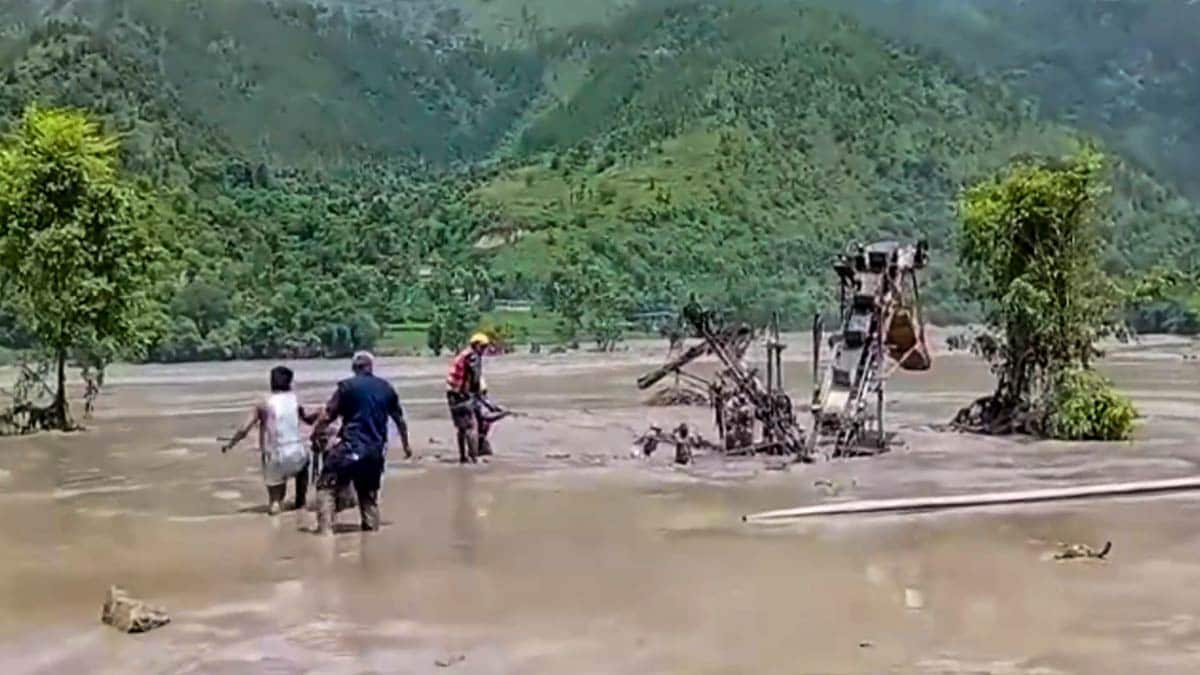
Water rises fast in the Himalayas. One moment you hear a low rumble, and the next, a wall of debris sweeps away everything in its path.
That terrifying reality is hitting Nepal hard right now. Following devastating flash floods on August 26, the Bhote Koshi river water level has surged once again in the Rasuwa district. Rescue teams are facing severe obstacles as they try to navigate swollen currents, blocked roads, and treacherous terrain.
If you're wondering why this specific disaster is proving so difficult to manage, the answer lies in a volatile mix of geography, infrastructure vulnerability, and ongoing weather patterns. Let's look at what's actually happening on the ground and why recovery efforts are hanging by a thread.
The Scope of the Crisis
This isn't your average seasonal flood. The catastrophe kicked off when an ice and rock avalanche near the Nepal-Tibet border triggered a massive surge down the Himalayas.
Nepal's National Disaster Risk Reduction and Management Authority (NDRRMA) has issued urgent alerts. Personnel working across Rasuwa, Nuwakot, Dhading, and Chitwan are on high alert. The death toll from this disaster has climbed past 730, while thousands of people remain missing.
When you look at the numbers, the scale becomes staggering:
- Over 7,500 people evacuated via air and ground missions.
- Nearly 18,700 security personnel deployed from the Nepali Army, Nepal Police, and Armed Police Force.
- Hundreds of stranded workers rescued from remote hydropower project sites.
Yet, despite this massive mobilization, the rising waters of the Bhote Koshi river keep halting ground teams. Every time heavy rain triggers a new rise in the river flow, search operations have to pause immediately to protect rescue workers from being swept away.
Why the Bhote Koshi River is So Dangerous
Geography is the main culprit here. The Bhote Koshi flows rapidly south from high-altitude Himalayan border regions. Steep gorges narrow the channel, turning ordinary runoff into high-velocity hydraulic battering rams.
When a glacial event or landslide dumps millions of tons of ice, mud, and boulders into these upper reaches, the water has nowhere to go but down. It accelerates instantly. Settlements built along the riverbanks have seconds or minutes to react, leaving little room for early warning systems to save homes and infrastructure.
Hydropower plants dotted along these Himalayan river basins take the brunt of the impact. Dams, tunnels, and worker camps are often built in steep canyons where access roads are easily wiped out by the first wave of debris. Rescuing stranded personnel from these isolated pockets requires precision helicopter work, which is often grounded when weather closes in.
What Authorities and Communities Must Do Now
You can't stop a Himalayan flash flood once it starts. Mitigation has to happen before and after the event.
First, real-time telemetry along remote trans-boundary river sources needs serious upgrades. Relying solely on visual confirmation or delayed reports from upstream borders leaves communities blind. Automated sensor networks that transmit water level spikes instantly to downstream villages can buy precious minutes.
Second, strict zoning laws must be enforced along fragile river corridors. Rebuilding homes and critical infrastructure right on the edge of the Bhote Koshi floodplain invites repeat disasters.
Right now, the immediate priority for Nepal's disaster management teams remains finding survivors and stabilizing dangerous slopes. If you live or work in mountain regions prone to sudden water surges, complacency is the most dangerous hazard of all. Stay clear of swollen banks, heed official warnings instantly, and never assume the worst is over just because the rain stops.